




Car Hood Smoking? Warning Signs, Causes, and Fixes Every Car Owner Should Know
Seeing smoke coming from under your car's hood can be alarming. Whether you're stuck in traffic, driving on the highway, or parking after a long journey, smoke from the engine area is never something you should ignore.
While some situations may be minor, others can indicate serious engine problems that could lead to expensive repairs or even vehicle breakdowns.
In this comprehensive Detailing Devils guide, we'll explain the most common causes of hood smoke, warning signs to watch for, emergency actions you should take, and how professional maintenance can help prevent future issues.
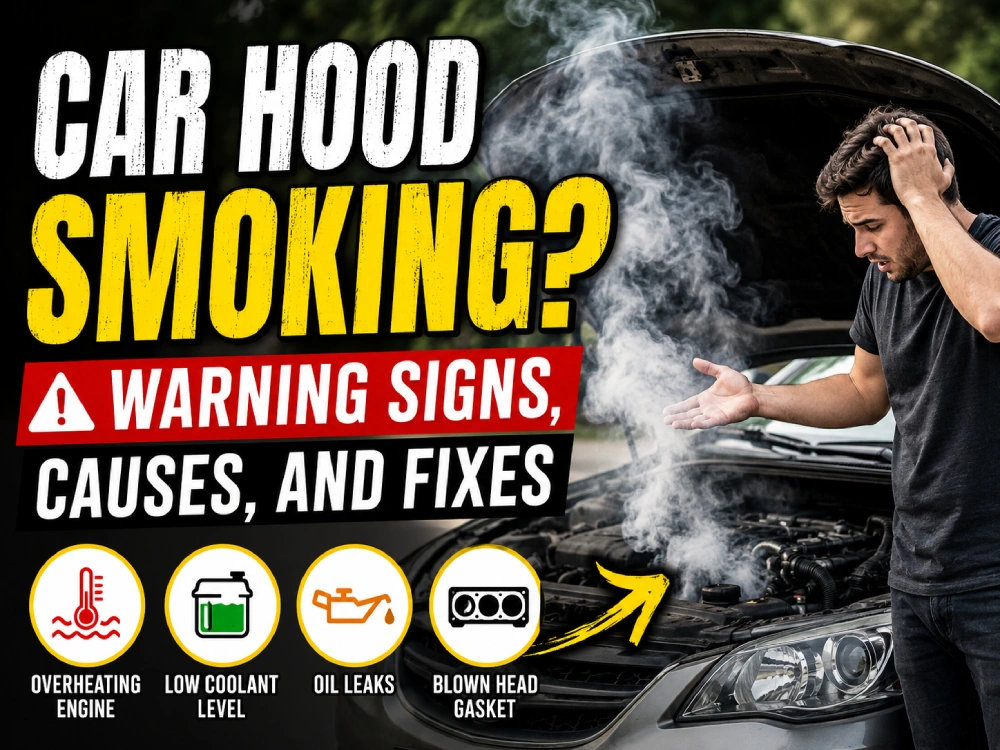
Detailing Devils Tip: If you notice continuous smoke, a burning smell, or a rising temperature gauge, stop driving immediately and inspect the situation safely.
What You'll Learn in This Guide
- Why smoke comes from under a car hood
- Different smoke colors and what they mean
- Common warning signs before smoke appears
- Emergency steps to take
- Repair solutions for different causes
- Prevention and maintenance tips
- Frequently Asked Questions
Why Is Smoke Coming From Under My Car Hood?
Smoke from the hood usually occurs when excessive heat, leaking fluids, or mechanical failures create conditions that cause liquids or components to burn.
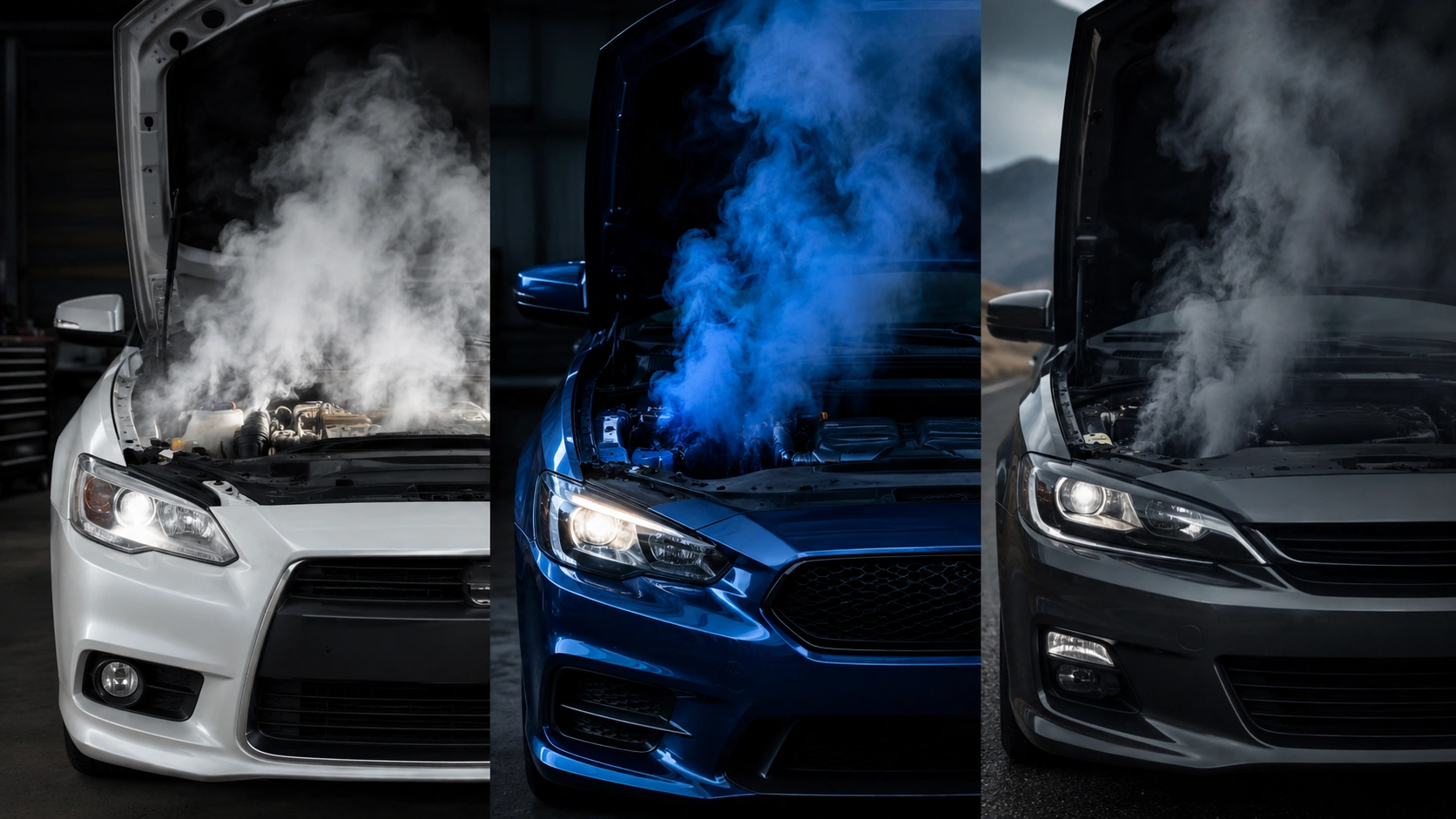
The smoke may appear white, blue, or gray depending on the underlying issue.
Ignoring the problem can result in engine damage, overheating, electrical failures, or costly repair bills.
Common Warning Signs Before Hood Smoke Appears
Most vehicles show signs before smoke becomes visible.
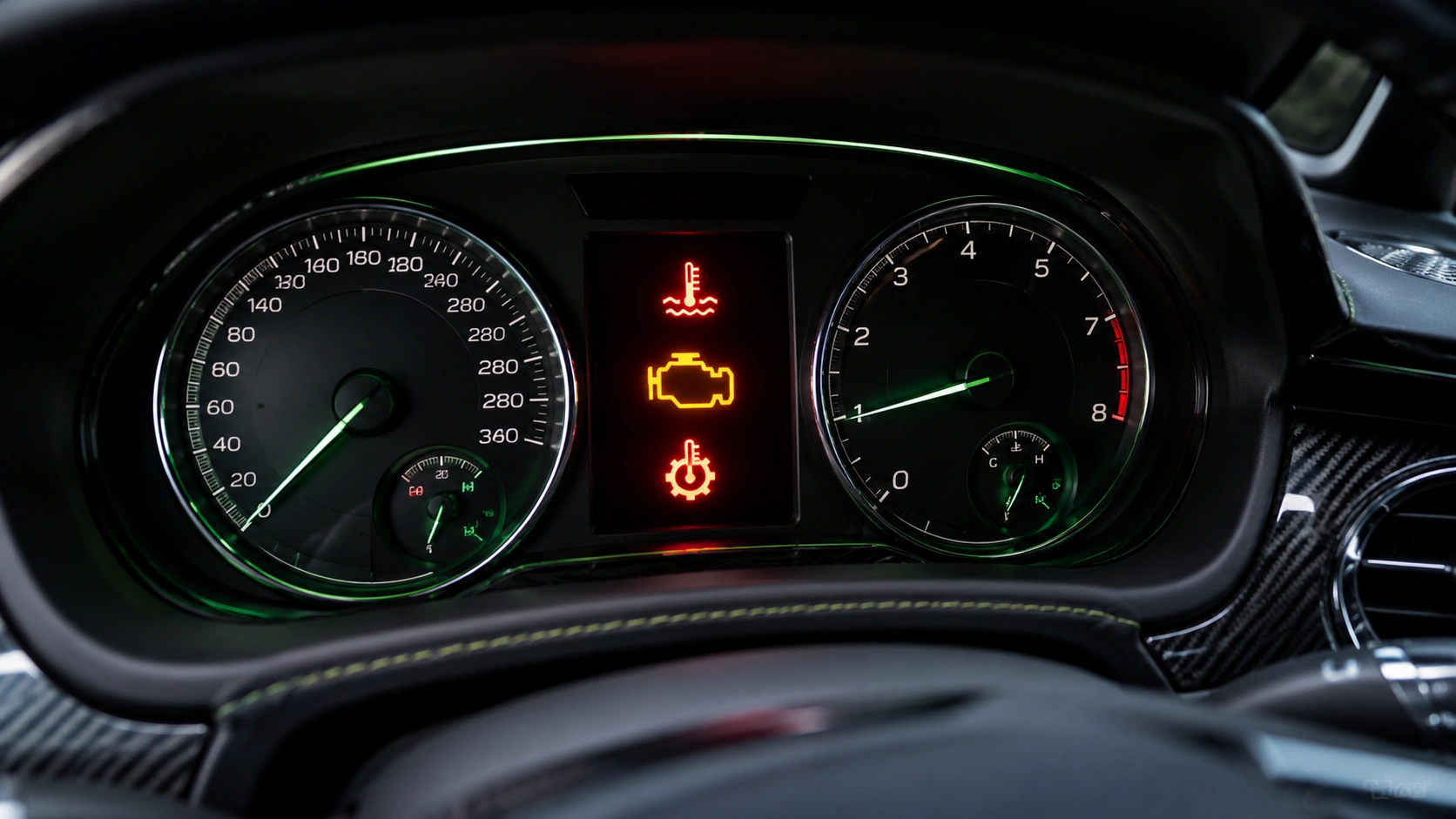
1. Rising Engine Temperature
A temperature gauge moving toward the red zone often indicates cooling system issues.
Common causes include:
- Low coolant levels
- Faulty radiator
- Broken cooling fan
- Thermostat failure
2. Burning Smell
A strong burning odor can indicate:
- Oil leaks
- Coolant leaks
- Electrical wiring issues
- Overheated engine components
3. Fluid Leaks Under the Vehicle
Small puddles under your car should never be ignored.
Leaking oil or coolant can drip onto hot engine parts and create smoke.
4. Reduced Engine Performance
If the engine feels sluggish, rough, or struggles during acceleration, overheating may already be affecting performance.
Most Common Causes of Smoke Under the Hood
1. Engine Overheating
This is one of the most common causes.
When the engine becomes excessively hot, coolant may boil and escape as steam.
Signs
- Temperature gauge in red zone
- Steam from hood
- Coolant smell
- Reduced engine power
Fix
- Turn off the engine immediately
- Allow the engine to cool
- Check coolant levels
- Visit a professional technician
2. Oil Leaking Onto Hot Engine Parts
Engine oil leaking onto the exhaust manifold or engine block can produce smoke and a burning smell.
Signs
- Blue-gray smoke
- Oil smell
- Oil spots under vehicle
- Low oil level warning
Fix
- Repair leaking gaskets or seals
- Replace damaged components
- Clean affected engine surfaces
3. Coolant Leak
Coolant leaking onto hot engine components creates white steam-like smoke.
Signs
- Sweet smell
- White vapor
- Engine overheating
- Coolant reservoir dropping
Fix
- Inspect hoses
- Check radiator
- Repair coolant system leaks
4. Electrical Problems
Damaged wiring or short circuits can create smoke and pose a fire hazard.
Signs
- Burning plastic smell
- Smoke near wiring harnesses
- Flickering electronics
- Blown fuses
Fix
- Stop driving immediately
- Disconnect battery if safe
- Have wiring professionally inspected
5. Belt or Pulley Failure
A slipping serpentine belt can generate heat and smoke.
Signs
- Squealing noises
- Burning rubber smell
- Smoke near front of engine
Fix
- Replace damaged belts
- Inspect pulleys and tensioners
Smoke Color Guide: What Does It Mean?
| Smoke Color | Possible Cause | Severity |
|---|---|---|
| White Smoke | Coolant leak or overheating | Medium to High |
| Blue Smoke | Oil burning on engine components | Medium |
| Gray Smoke | Fluid leaks or engine issues | Medium |
| Black Smoke | Fuel system problem | High |
Understanding smoke color can help identify the issue faster and prevent additional damage.
What To Do If Smoke Starts Coming From Your Hood
Step 1: Pull Over Safely
Move your vehicle to a safe location away from traffic.
Step 2: Turn Off the Engine
Continuing to drive may cause severe engine damage.
Step 3: Do Not Open the Radiator Cap
If overheating is suspected, wait until the engine cools completely.
Step 4: Inspect Carefully
Look for:
- Coolant leaks
- Oil leaks
- Broken belts
- Visible damaged components
Step 5: Call for Assistance
If the cause is unclear, seek professional help instead of driving further.
How to Prevent Hood Smoke Problems
Regular maintenance significantly reduces the chances of smoke-related issues.
Follow These Maintenance Tips:
- Check coolant levels monthly
- Inspect engine oil regularly
- Replace worn belts on schedule
- Fix leaks immediately
- Service your cooling system periodically
- Monitor dashboard warning lights
- Keep the engine bay clean
Detailing Devils Tip: Professional engine bay cleaning helps identify leaks early and makes routine inspections easier.
When Should You Visit a Professional?
Seek immediate inspection if:
- Smoke continues after cooling
- Engine repeatedly overheats
- Warning lights stay on
- You notice burning smells frequently
- Fluid levels drop unexpectedly
Professional diagnosis can prevent small issues from becoming major engine repairs.
Final Word: Never Ignore Smoke From Your Hood
Smoke coming from under your hood is your vehicle's way of warning you that something needs attention. Whether it's a coolant leak, overheating engine, oil leak, or electrical issue, acting quickly can save you from expensive repairs and unexpected breakdowns.
Routine inspections, proper maintenance, and early diagnosis are the best ways to keep your vehicle safe, reliable, and performing at its best.
Want your vehicle professionally inspected and maintained? Visit your nearest Detailing Devils studio for expert automotive care, preventive maintenance guidance, and premium detailing solutions.
FAQ
No. Stop driving immediately and identify the cause before continuing.
White smoke is often steam caused by coolant leaks or engine overheating.
Yes. Oil dripping onto hot engine components commonly produces blue-gray smoke and a burning smell.
Overheating, coolant loss, or oil leaks may become more noticeable after extended driving.
Costs vary depending on the cause. Minor leaks may be inexpensive, while overheating-related engine damage can be costly.
Related Blogs:
- Best Car Cleaning Service in Noida - Find the best car cleaning services in Noida and keep your car looking new.
- Car Detailing Products - Discover the best products for car detailing and how to use them to achieve a professional shine.
- Detailing Services for Different Cars - Learn about the different types of detailing services available for different types of cars and which one is best for you.
- Car Detailing for Different Seasons - Find out how to prepare your car for different seasons with the right detailing methods and products.
- How to clean your car's interior - Learn the 8 best techniques and products for cleaning the interior of your car, including the seats, dashboard, and carpets.

