




How to Choose the Right Car Battery for Your Vehicle : The Complete Buying Guide
Most car owners don't think about their battery until the day their vehicle refuses to start.
When that happens, many people simply buy the cheapest battery available or purchase the same brand without checking whether it's actually the right fit for their vehicle.
Unfortunately, choosing the wrong battery can lead to:
- Hard starting
- Reduced battery life
- Poor electrical performance
- Alternator damage
- Frequent battery replacements
- Unexpected roadside breakdowns
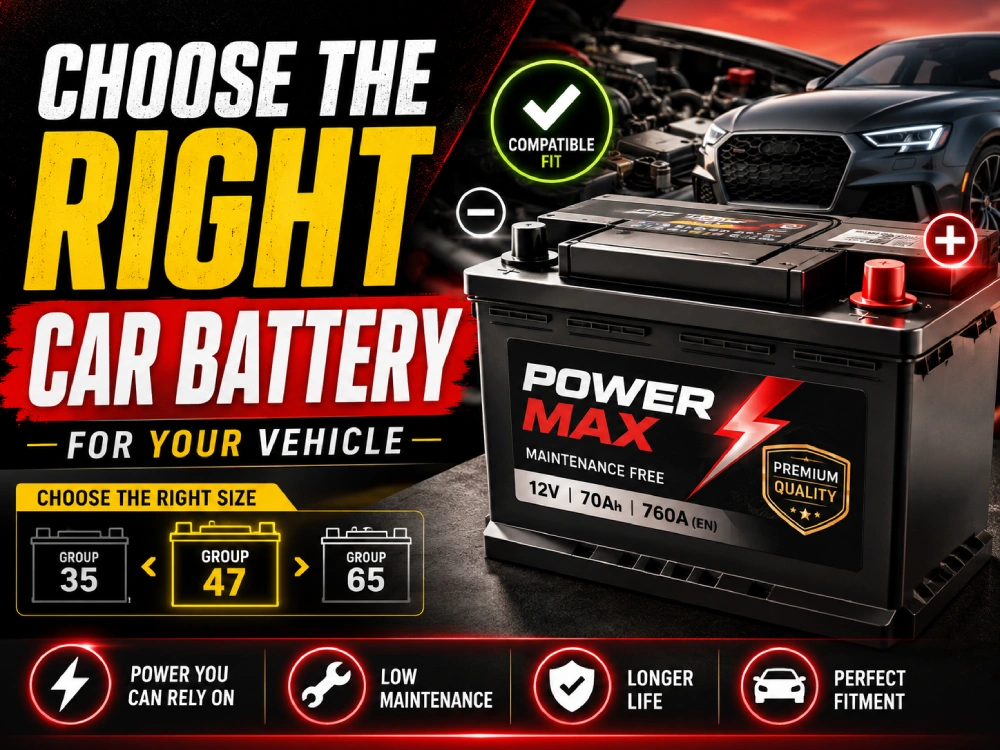
Modern cars rely on sophisticated electronic systems that require batteries capable of delivering consistent and reliable power. Choosing the correct battery isn't just about fitting it under the bonnet—it's about selecting the right specifications for your vehicle's electrical demands.
Whether you drive a hatchback, sedan, SUV, luxury vehicle, or diesel car, understanding battery specifications will help you make a smarter investment and avoid unnecessary expenses. In this comprehensive Detailing Devils guide, you'll learn everything you need to know before purchasing a new car battery—from battery types and specifications to common buying mistakes, maintenance tips, and expert recommendations.
What You'll Learn in This Guide
- How a car battery works
- Why choosing the correct battery matters
- Different types of car batteries
- Understanding CCA, Ah, RC, and Voltage
- Battery sizes explained
- Petrol vs diesel battery requirements
- Common battery buying mistakes
- How to know when to replace your battery
- Maintenance tips for longer battery life
- Frequently Asked Questions
What Does a Car Battery Actually Do?
Your car battery is much more than a starting device.
It supplies electrical power to dozens of vehicle systems before the engine starts and supports them whenever electrical demand exceeds alternator output.
Modern batteries power:
- Starter motor
- Ignition system
- ECU (Engine Control Unit)
- Infotainment display
- Headlights
- DRLs
- Power windows
- Central locking
- Parking sensors
- Reverse camera
- Dashboard electronics
- Air conditioning controls
- USB charging ports
- Advanced safety systems
Without a healthy battery, many of these systems either perform poorly or stop functioning completely.
Why Choosing the Right Battery Matters
Not every battery is suitable for every vehicle.
Installing an incorrect battery may result in:
- Poor engine starting
- Reduced battery life
- Overworked alternator
- Charging issues
- Electrical malfunctions
- Reduced fuel efficiency
- Higher maintenance costs
Manufacturers carefully specify battery capacity based on engine size, fuel type, electrical equipment, start-stop technology, and climate conditions. Following those specifications helps ensure reliable performance and longer battery life.
Types of Car Batteries
Different vehicles require different battery technologies depending on their electrical requirements.
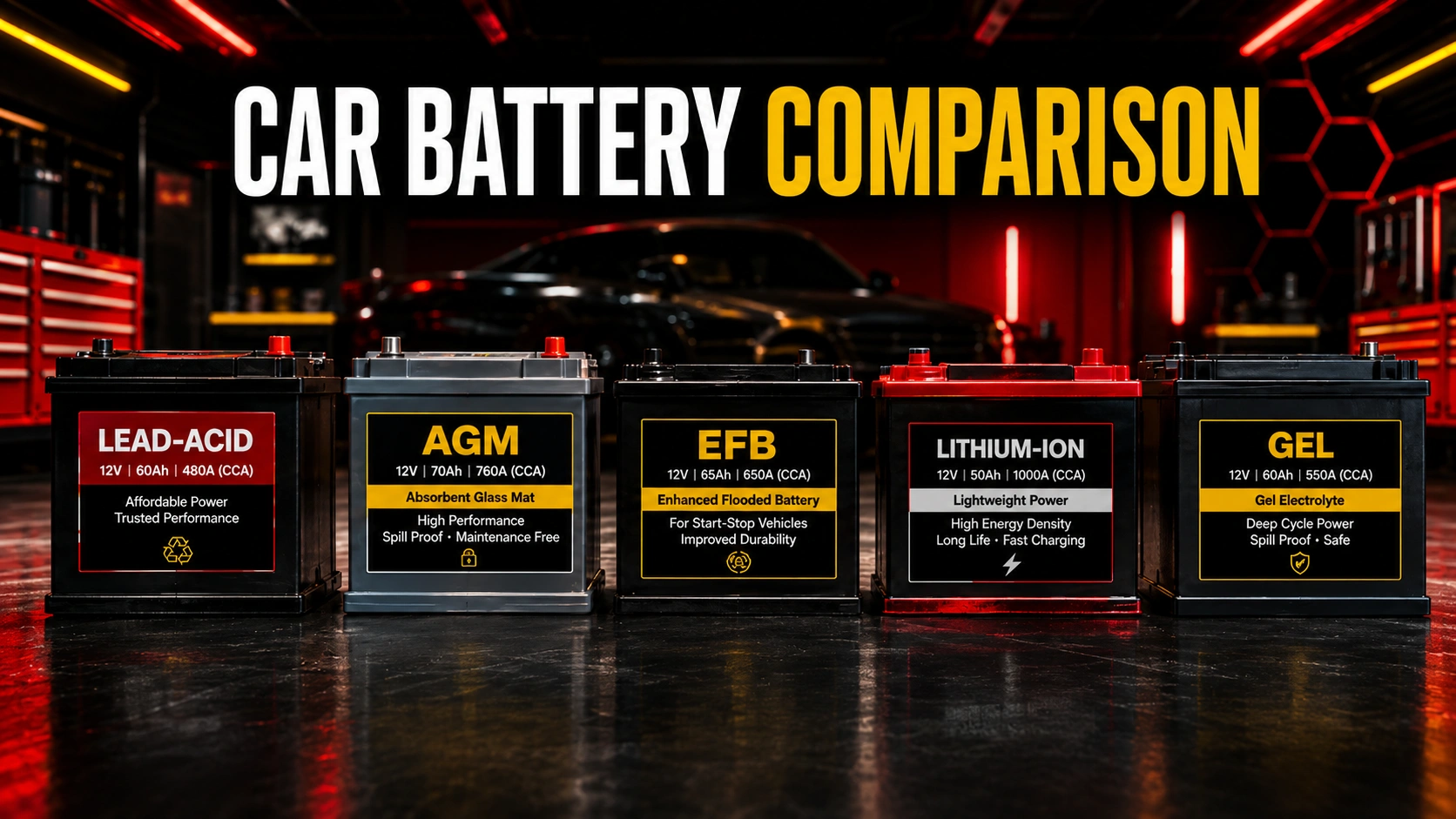
1. Lead-Acid Battery
Lead-acid batteries remain the most commonly used option for everyday passenger vehicles.
Advantages
- Affordable
- Easily available
- Reliable for regular driving
- Simple maintenance
Best For
- Budget hatchbacks
- Sedans
- Older vehicles
- Daily commuting
2. AGM (Absorbent Glass Mat) Battery
AGM batteries deliver higher performance and better durability than conventional lead-acid batteries. They are designed for vehicles with greater electrical demands.
Advantages
- Faster charging
- Better vibration resistance
- Longer lifespan
- Excellent cold starting
- Maintenance-free
Best For
- Premium vehicles
- SUVs
- Luxury cars
- Cars with multiple electronic features
3. Enhanced Flooded Battery (EFB)
EFB batteries are specifically developed for vehicles equipped with basic start-stop systems.
Compared to conventional lead-acid batteries, they offer:
- Better cycle life
- Improved charging efficiency
- Higher durability
- Enhanced performance during frequent starts
Best For
- Modern petrol cars
- Start-stop vehicles
- Daily city driving
4. Lithium-Ion Battery
Lithium batteries are lightweight, highly efficient, and commonly used in electric vehicles and performance applications.
Although expensive, they provide:
- Excellent energy density
- Rapid charging
- Longer service life
- Reduced weight
Best For
- Electric vehicles
- Hybrid cars
- High-performance vehicles
5. Gel Battery
Gel batteries use gel-based electrolytes instead of liquid acid. They are highly resistant to vibration and perform well in demanding environments.
Advantages
- Maintenance-free
- Spill-proof
- Excellent vibration resistance
- Long service life
Best For
- Specialty vehicles
- Recreational vehicles
- Marine applications
- Certain premium automotive uses
Understanding Battery Specifications
Many buyers only compare prices while ignoring the technical specifications printed on the battery.
These numbers are far more important than the brand name.
Cold Cranking Amps (CCA)
CCA measures the battery's ability to start the engine in cold conditions. Higher CCA means stronger starting performance. Vehicles with larger engines generally require higher CCA ratings.
Ampere Hour (Ah)
Ah represents the battery's energy storage capacity. A higher Ah rating allows the battery to supply power for longer periods. However, always use the capacity recommended by your vehicle manufacturer. Installing a significantly higher or lower Ah battery than specified may affect charging performance.
Reserve Capacity (RC)
Reserve Capacity indicates how long a battery can continue supplying electricity if the alternator fails. A higher RC provides greater backup power during emergencies.
Battery Voltage
Most passenger vehicles use 12-volt batteries. Commercial vehicles and heavy-duty applications may require different voltage systems. Always match the manufacturer's recommended voltage.
Reality Check: Bigger Isn't Always Better
Many car owners believe installing the biggest battery available automatically improves performance.
That's a myth.
A battery that's too large, too small, or has incorrect specifications may:
- Charge improperly
- Reduce lifespan
- Overload the charging system
- Cause electrical faults
- Increase ownership costs
The best battery is the one that matches your vehicle manufacturer's specifications—not necessarily the most expensive or highest-capacity model.
Battery Size Matters Too
Battery size isn't just about physical dimensions. It also determines:
- Terminal placement
- Mounting compatibility
- Electrical output
- Safe installation
Before purchasing a replacement battery, always verify:
- Battery group size
- Terminal orientation
- Voltage
- CCA rating
- Ah rating
- Vehicle compatibility
Installing an incorrect battery size can prevent proper fitment and even damage electrical connections.
Petrol vs Diesel Car Batteries: What's the Difference?
One of the biggest mistakes car owners make is assuming that petrol and diesel vehicles use the same type of battery. While both typically operate on a 12V electrical system, their power requirements differ significantly.
Diesel engines have a much higher compression ratio than petrol engines, which means they require more power to crank and start, especially during colder weather.
Petrol Car Batteries
Petrol cars generally require:
- Lower Cold Cranking Amps (CCA)
- Smaller battery capacity
- Lighter batteries
- Lower starting current
These batteries are suitable for compact hatchbacks, sedans, and small SUVs with standard electrical systems.
Diesel Car Batteries
Diesel vehicles usually require:
- Higher CCA ratings
- Larger battery capacity (Ah)
- Stronger starting performance
- Better reserve capacity
Diesel SUVs, MPVs, and pickup trucks place greater demand on the battery due to their larger engines.
Petrol vs Diesel Battery Comparison
| Feature | Petrol Car | Diesel Car |
|---|---|---|
| Starting Power | Medium | High |
| Recommended CCA | Lower | Higher |
| Battery Capacity (Ah) | Lower | Higher |
| Engine Compression | Lower | Higher |
| Battery Size | Smaller | Larger |
| Typical Lifespan | 3—5 Years | 3—5 Years |
Detailing Devils Tip: Always install the battery specification recommended by your vehicle manufacturer. Never choose a battery based solely on physical size or price.
How to Read a Car Battery Label
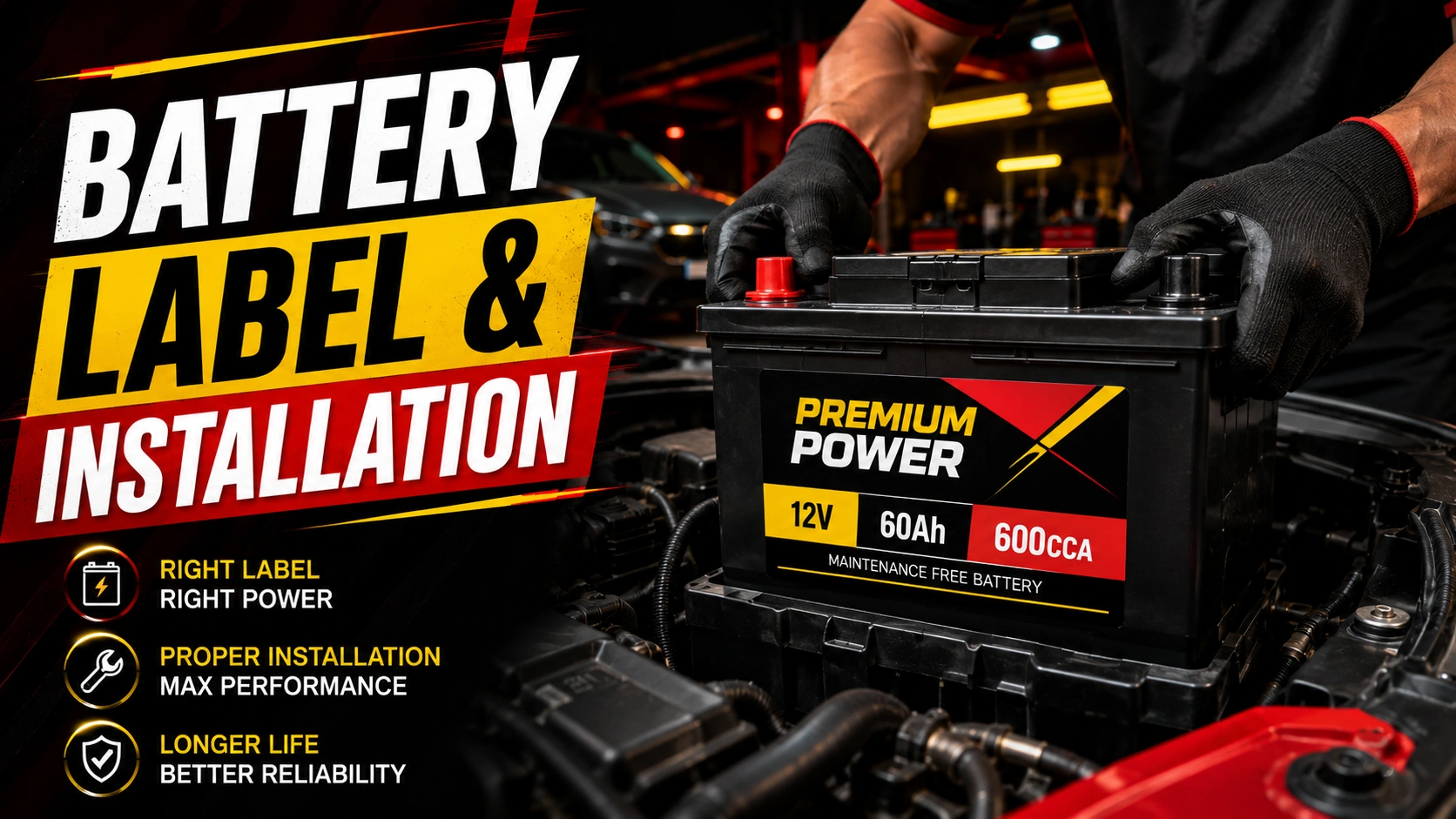
When you look at a battery, you'll notice several numbers and letters printed on the casing. Understanding these markings makes it much easier to choose the correct replacement.
A typical battery label may include:
12V 60Ah 600CCA
Here's what each specification means:
12V
This indicates the battery voltage. Most passenger vehicles in India use a 12-volt battery.
60Ah
This is the battery's capacity (Ampere Hour), showing how much electrical energy it can store.
600 CCA
Cold Cranking Amps represent the battery's ability to deliver sufficient power to start the engine, particularly in colder conditions.
Manufacturing Date
Always check the manufacturing date before purchasing. A battery that has been sitting in storage for a long time may have already lost part of its charge. Ideally, buy a battery that is less than six months old.
Battery Buying Checklist
Before purchasing a new battery, make sure you verify the following:
- Correct battery size
- Recommended voltage
- Correct Ah rating
- Proper CCA specification
- Suitable terminal layout
- Compatible battery technology (Lead Acid / AGM / EFB)
- Recent manufacturing date
- Warranty coverage
- Genuine manufacturer
- Professional installation
Following this checklist helps ensure reliable performance and avoids unnecessary replacement costs.
Common Mistakes People Make While Buying a Car Battery
Many battery problems begin at the time of purchase.
Avoid these common mistakes:
Buying the Cheapest Battery
A cheaper battery may save money initially but often provides lower performance and a shorter lifespan. Always prioritize specifications and quality over price alone.
Ignoring Manufacturer Specifications
Installing a battery with the wrong Ah or CCA rating may affect charging efficiency and overall battery performance.
Choosing the Wrong Battery Size
Even if a battery has the correct voltage, an incorrect physical size can prevent proper installation, damage battery terminals, cause loose mounting, and increase vibration.
Ignoring Warranty
Different battery manufacturers offer different warranty periods. Before purchasing, check the free replacement period, pro-rata warranty, and warranty terms and conditions. A longer warranty often reflects greater manufacturer confidence in the product.
Buying an Old Battery
Always check the manufacturing date. Batteries naturally lose charge while sitting in storage. Buying a recently manufactured battery helps maximize service life.
Reality Check: Brand Alone Doesn't Guarantee the Best Battery
Many buyers choose a battery simply because they've heard of the brand.
However, the best battery isn't necessarily the most expensive or the most popular.
A premium battery with the wrong specifications may perform worse than a mid-range battery that perfectly matches your vehicle.
The ideal battery is the one that matches the manufacturer's specifications, fits correctly, provides the required CCA, has the correct Ah rating, and comes with a reliable warranty.
Signs It's Time to Replace Your Car Battery
A battery rarely fails without warning.
Watch for these common signs:
Slow Engine Cranking
The engine takes longer than usual to start.
Dim Headlights
Lights appear noticeably weaker, especially during engine start-up.
Dashboard Battery Warning Light
The battery warning symbol may indicate weak battery, charging issue, or alternator problem.
Frequent Jump Starts
If your battery repeatedly requires jump-starting, replacement or further diagnosis may be necessary.
Electrical Problems
Watch for flickering lights, slow power windows, infotainment restarting, or sensor malfunctions.
Swollen Battery Case
Heat damage may cause the battery casing to bulge. Replace swollen batteries immediately.
Corroded Battery Terminals
Excessive corrosion around the battery terminals reduces electrical conductivity and affects charging efficiency.
Battery Replacement: DIY or Professional Installation?
Although replacing a battery may seem straightforward, modern vehicles often require additional procedures after installation.
Professional installation ensures:
- Correct battery fitment
- Proper terminal connections
- Battery registration (where applicable)
- ECU reset (for certain models)
- Charging system inspection
- Safe disposal of the old battery
Improper installation can result in electrical faults, warning lights, or reduced battery life.
Car Battery Maintenance Tips to Maximize Battery Life
Buying the right battery is only half the job. Proper maintenance ensures that your investment lasts as long as possible while delivering reliable performance every day.
Following these simple practices can help extend battery life and reduce the chances of unexpected failures.
Keep the Battery Terminals Clean
Over time, battery terminals can develop white, blue, or green corrosion due to chemical reactions. This buildup increases electrical resistance and affects charging efficiency.
Clean the terminals periodically using a battery terminal cleaner or a baking soda solution (following appropriate safety precautions), then ensure all connections are dry and securely tightened.
Drive Your Vehicle Regularly
Cars that remain parked for long periods gradually lose battery charge.
If you don't drive daily, take your vehicle for a 20—30 minute drive at least once a week so the alternator can properly recharge the battery.
Avoid Leaving Electronics On
Many battery failures occur because owners accidentally leave electrical accessories running.
Before locking your vehicle, make sure to switch off:
- Headlights
- Cabin lights
- Infotainment system
- Phone chargers
- Dash cameras
- Aftermarket accessories
Protect the Battery from Heat
Indian summers are one of the biggest reasons batteries fail prematurely.
Whenever possible:
- Park under shade.
- Use a windshield sunshade.
- Keep the engine bay clean.
- Inspect the battery before long summer trips.
Reducing heat exposure helps improve battery longevity.
Schedule Annual Battery Testing
Even if your vehicle starts normally, have the battery professionally tested at least once a year. A battery health test can detect low voltage, weak cells, reduced capacity, and charging system issues. Early diagnosis prevents unexpected roadside breakdowns.
Battery Maintenance Checklist
Use this simple checklist to keep your battery in top condition.
Every Month
- Check battery terminals for corrosion.
- Inspect for cracks or swelling.
- Ensure battery clamps are tight.
- Clean dirt around the battery.
- Inspect battery cables.
- Drive the vehicle if it has been parked for several days.
Every Six Months
- Test battery voltage.
- Check alternator charging output.
- Inspect wiring connections.
- Clean the engine bay.
- Verify battery mounting.
Every Year
- Professional battery health test.
- Charging system inspection.
- Inspect starter motor connections.
- Replace worn cables if necessary.
- Evaluate battery performance before summer travel.
Common Car Battery Myths You Should Stop Believing
Many drivers unknowingly follow outdated advice that can reduce battery life.
Let's separate myths from facts.
Myth 1: "A Bigger Battery Is Always Better"
Reality: An oversized battery may not charge correctly and can place unnecessary strain on the charging system. Always choose the manufacturer-recommended specification.
Myth 2: "Only Old Cars Need New Batteries"
Reality: Modern cars often have greater electrical demands than older vehicles. Advanced electronics such as ADAS systems, large infotainment displays, cameras, push-button start, and connected car technology all require reliable battery performance.
Myth 3: "Jump Starting Solves Everything"
Reality: A jump start only gets the engine running. If your battery repeatedly goes flat, there may be alternator problems, electrical drain, internal battery failure, or loose battery terminals. Professional diagnosis is recommended.
Myth 4: "Any Battery Will Fit My Car"
Reality: Even if two batteries appear similar, differences in battery size, terminal orientation, Ah rating, CCA, and technology can affect vehicle performance. Always verify compatibility before purchasing.
Myth 5: "Maintenance-Free Means No Maintenance"
Maintenance-free batteries don't require electrolyte refilling, but they still need terminal inspection, voltage testing, clean mounting, and secure connections. Regular inspections remain essential.
Why Professional Battery Inspection Matters
Professional battery testing goes beyond simply checking whether the car starts.
A complete inspection evaluates:
- Battery health
- Charging voltage
- Alternator performance
- Starter motor operation
- Electrical drain
- Battery capacity
- Internal resistance
Detecting these issues early helps avoid expensive repairs and unexpected breakdowns.
Why Professional Engine Bay Care Helps Battery Performance
Your battery operates inside one of the harshest environments in the vehicle—the engine bay.
Dust, grease, moisture, oil residue, and road contaminants accumulate around electrical components over time.
Professional engine bay detailing helps:
- Remove harmful dirt buildup.
- Reduce moisture retention.
- Make battery inspections easier.
- Detect corrosion early.
- Improve the overall appearance of the engine compartment.
- Support preventive maintenance.
A clean engine bay doesn't directly increase battery capacity, but it helps keep the surrounding electrical system in better condition and allows technicians to identify potential issues before they become major problems.
Why Choose Detailing Devils?
At Detailing Devils, we understand that true vehicle care goes beyond a clean exterior. Our professional detailing services are designed to protect every part of your vehicle—from the paintwork to the engine bay—helping maintain both performance and appearance.
Our premium services include:
- Ceramic Coating
- Graphene Coating
- Paint Protection Film (PPF)
- Engine Bay Detailing
- Interior Detailing
- Exterior Detailing
- Paint Correction
- Headlight Restoration
- Windshield Protection
- Wheel & Tyre Detailing
- Luxury Car Detailing
- Bike Detailing
With 140+ studios across India, trained detailing specialists, and premium automotive products, Detailing Devils delivers professional vehicle care trusted by thousands of car owners.
Final Verdict: The Right Battery Makes All the Difference
Choosing the right car battery is about much more than replacing a worn-out component. It's about ensuring reliable engine starts, supporting your vehicle's electrical systems, and protecting your investment over the long term.
Instead of focusing only on price or brand, always consider factors such as battery type, voltage, Ampere Hour (Ah), Cold Cranking Amps (CCA), Reserve Capacity (RC), physical size, terminal orientation, and compatibility with your vehicle. A correctly matched battery delivers better performance, longer service life, and fewer unexpected problems.
Remember, even the best battery won't perform well without proper maintenance. Regular inspections, clean terminals, secure connections, and timely health checks can significantly extend battery life while reducing the risk of breakdowns.
Keep Your Vehicle Running Reliably with Detailing Devils
A healthy battery is only one part of complete vehicle care.
Regular detailing and preventive maintenance help protect your engine bay, electrical components, paintwork, wheels, and interior while preserving your vehicle's long-term value.
At Detailing Devils, we offer premium services including Ceramic Coating, Paint Protection Film (PPF), Engine Bay Detailing, Interior Detailing, and complete exterior protection designed to keep your vehicle looking and performing at its best.
Visit your nearest Detailing Devils studio today and let our experts help you protect every part of your vehicle—from the battery under the bonnet to the shine on the paint.
FAQ
Check your vehicle owner's manual or the specifications on your existing battery. Pay attention to the recommended voltage, Ah rating, CCA, battery size, and terminal orientation.
A slightly higher Ah rating may be acceptable for some vehicles, but it's always best to follow the manufacturer's recommended specifications. An incorrect capacity can affect charging performance.
CCA (Cold Cranking Amps) indicates the battery's ability to deliver high starting power. Ah (Ampere Hour) indicates the battery's energy storage capacity. Both are important when selecting the correct battery.
Many modern vehicles with start-stop technology use AGM or EFB batteries, while standard petrol and diesel cars commonly use maintenance-free lead-acid batteries.
Most batteries last 3—5 years, depending on driving habits, climate, maintenance, and battery quality.
Yes. Professional installation ensures correct fitment, secure connections, proper charging system inspection, and safe disposal of the old battery.
While engine bay detailing doesn't directly increase battery capacity, it helps keep the battery area clean, reduces corrosion around terminals, and makes inspections easier, contributing to better overall electrical system maintenance.
Always verify battery size, voltage, Ah rating, CCA, terminal orientation, manufacturing date, warranty, and compatibility with your vehicle.
Related Blogs:
- Best Car Cleaning Service in Noida - Find the best car cleaning services in Noida and keep your car looking new.
- Car Detailing Products - Discover the best products for car detailing and how to use them to achieve a professional shine.
- Detailing Services for Different Cars - Learn about the different types of detailing services available for different types of cars and which one is best for you.
- Car Detailing for Different Seasons - Find out how to prepare your car for different seasons with the right detailing methods and products.
- How to clean your car's interior - Learn the 8 best techniques and products for cleaning the interior of your car, including the seats, dashboard, and carpets.

