




Smart Ways to Extend Your Car Battery Life : The Complete Guide Every Car Owner Should Know
Imagine walking to your car early in the morning, turning the key or pressing the start button, and hearing nothing but a slow clicking sound. A dead battery can ruin your day, delay important meetings, and even leave you stranded in an unfamiliar place.
Surprisingly, many car battery failures aren't caused by manufacturing defects—they're the result of everyday habits that slowly reduce battery life over time.
From leaving headlights on and taking frequent short trips to ignoring battery corrosion and extreme weather, several factors silently affect your battery's performance.
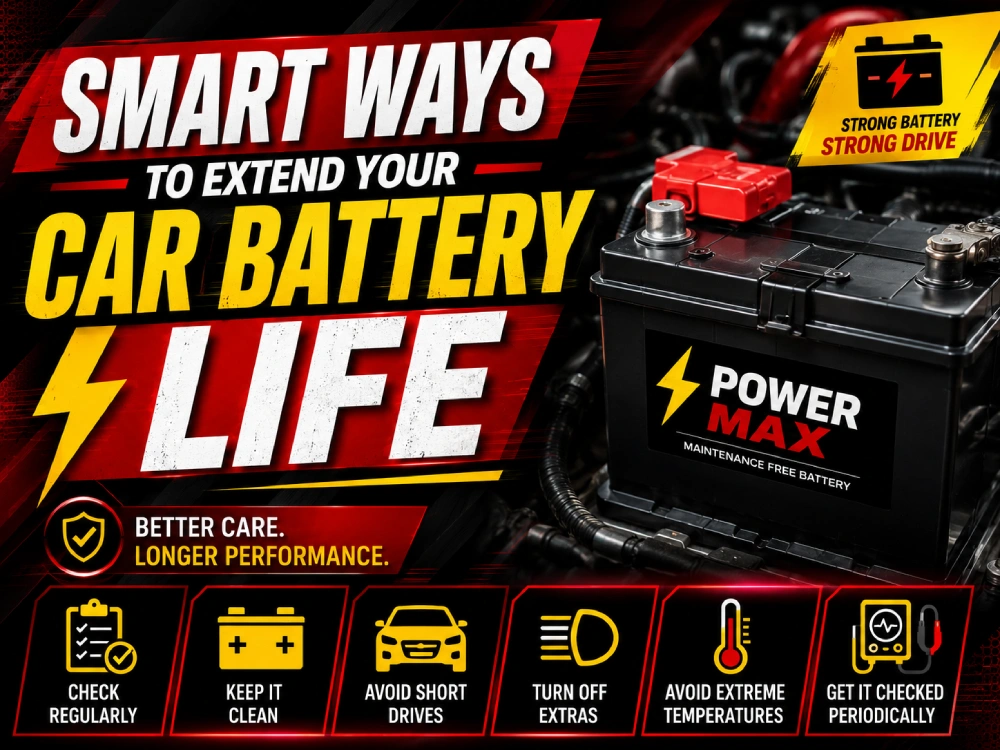
The good news? Most of these issues are completely preventable.
By following a few simple maintenance practices, you can significantly extend your battery's lifespan, improve vehicle reliability, reduce unexpected breakdowns, and save thousands of rupees on premature battery replacements. In this comprehensive Detailing Devils guide, you'll learn how car batteries work, why they fail, the smartest ways to maximize battery life, common myths, seasonal maintenance tips, warning signs of battery failure, and when it's time to replace your battery.
What You'll Learn in This Guide
- How a car battery works
- Average battery lifespan
- Why batteries fail earlier than expected
- Smart ways to extend battery life
- Common battery maintenance mistakes
- Warning signs of battery failure
- Summer, winter & monsoon battery care
- Battery maintenance checklist
- Common myths about car batteries
- Frequently Asked Questions
What Does a Car Battery Actually Do?
Most people think a battery's only job is to start the engine.
In reality, modern vehicles depend on the battery for dozens of electrical systems.
Your battery powers:
Starter motor, Engine ignition, ECU (Engine Control Unit), Infotainment system, Headlights, DRLs, Dashboard electronics, Central locking, Power windows, Air conditioning controls, Parking sensors, Cameras, USB charging ports, Safety systems
Once the engine starts, the alternator supplies electricity and recharges the battery. If the alternator isn't functioning properly, the battery gradually loses charge—even while driving.
How Long Does a Car Battery Last?
Under normal driving conditions, most passenger vehicle batteries last between 3 and 5 years.
However, battery lifespan depends on several factors:
| Factor | Effect on Battery Life |
|---|---|
| Driving habits | High |
| Weather conditions | High |
| Charging system health | High |
| Vehicle electronics | Medium |
| Battery quality | High |
| Maintenance routine | Very High |
| Parking duration | Medium |
With proper maintenance, many premium batteries can continue performing reliably beyond five years.
Why Do Car Batteries Fail So Early?
Many people assume battery failure happens naturally because of age.
In reality, premature battery failure is often caused by poor maintenance habits.
Let's understand the biggest reasons.
1. Frequent Short Trips
Every time you start your car, the battery supplies a large burst of electricity to crank the engine.
If your daily commute consists only of short drives, the alternator doesn't get enough time to fully recharge the battery.
Repeated partial charging gradually weakens battery capacity.
2. Leaving Electrical Accessories On
Even modern batteries can discharge overnight if electrical accessories remain active.
Common culprits include:
- Headlights
- Cabin lights
- Parking lights
- Dash cameras
- Phone chargers
- Music systems
- USB accessories
Always double-check before locking your vehicle.
3. Extreme Heat
Many people think winter is harder on batteries.
In India, summer heat actually causes more battery failures.
High temperatures:
- Increase internal corrosion
- Accelerate electrolyte evaporation
- Damage battery plates
- Reduce charging efficiency
Parking under direct sunlight every day can shorten battery life considerably.
4. Corroded Battery Terminals
White, blue, or green deposits around the battery terminals reduce electrical conductivity.
This means:
- Poor charging
- Hard starting
- Increased resistance
- Reduced battery performance
Cleaning the terminals regularly helps maintain proper electrical flow.
5. Faulty Alternator
Your alternator continuously charges the battery while the engine is running.
A failing alternator may:
- Undercharge the battery
- Overcharge the battery
- Damage internal battery cells
- Trigger dashboard warning lights
A healthy battery depends on a healthy charging system.
Reality Check: Most Battery Failures Are Preventable
Based on real-world service experience, many battery replacements happen earlier than necessary because owners ignore basic maintenance.
The most common mistakes include:
- Ignoring slow engine cranking
- Never cleaning battery terminals
- Taking only short trips
- Leaving electronics on
- Skipping battery health checks
- Delaying replacement of aging batteries
A few minutes of preventive maintenance every month can significantly improve battery reliability.
12 Smart Ways to Extend Your Car Battery Life
1. Drive Your Car Regularly
Cars that remain parked for weeks slowly lose battery charge.
If your vehicle isn't used daily, drive it for 20—30 minutes at least once every week to allow the alternator to recharge the battery properly.
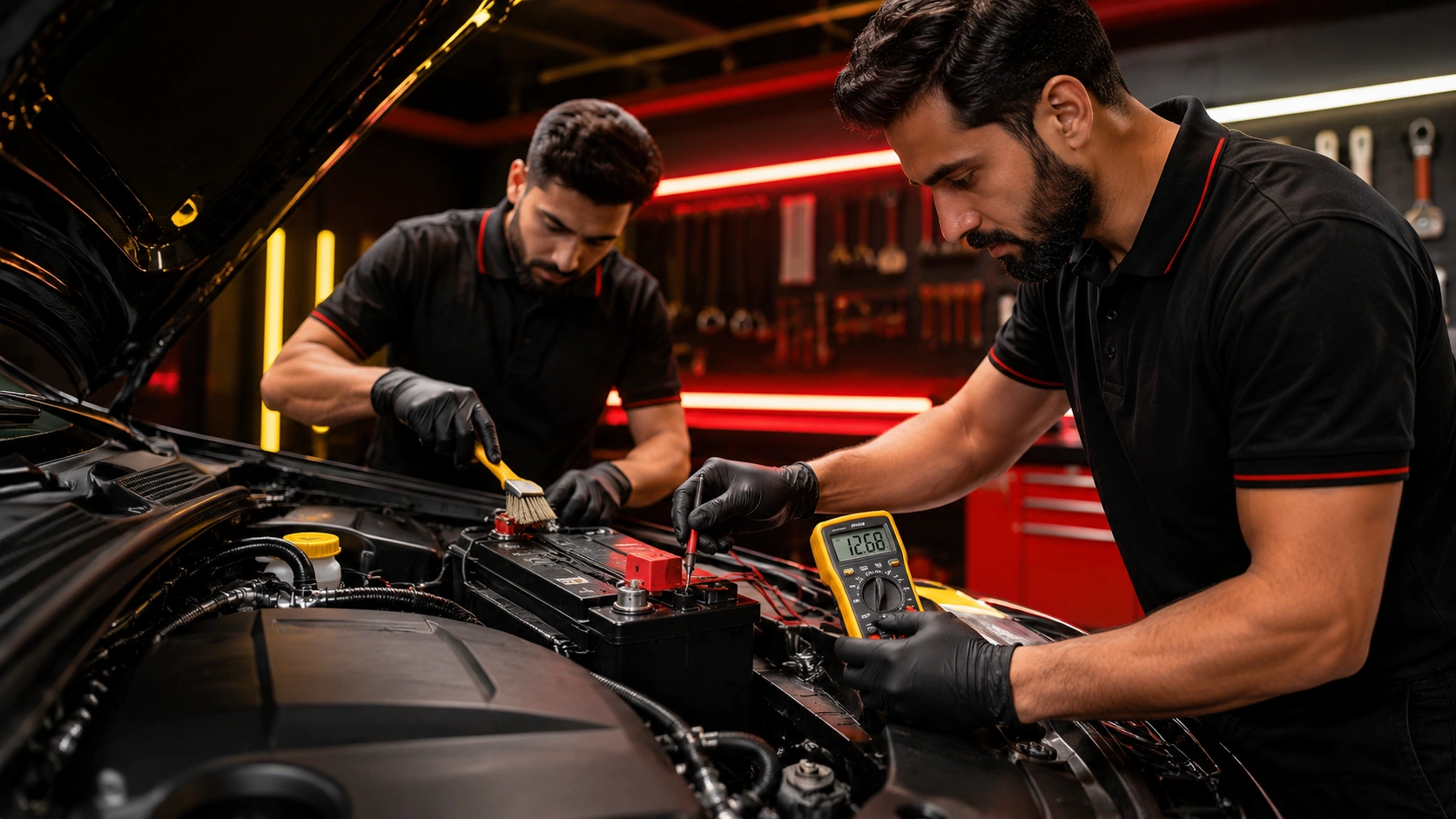
2. Keep Battery Terminals Clean
Battery corrosion creates electrical resistance that affects charging efficiency.
Inspect the terminals every few months.
If corrosion is visible:
- Disconnect the battery safely.
- Clean the terminals using an approved battery cleaner or a baking soda solution.
- Dry thoroughly.
- Reconnect securely.
Proper electrical contact helps maximize charging performance.
3. Avoid Short Trips Whenever Possible
Starting the engine consumes more power than many drivers realize.
Several five-minute trips each day can slowly discharge the battery because it never gets enough charging time.
Whenever possible, combine multiple errands into one longer drive.
4. Turn Off Accessories Before Switching Off the Engine
Before turning off your vehicle, switch off:
- Headlights
- AC blower
- Infotainment system
- Seat heaters
- Phone chargers
- Aftermarket accessories
Reducing electrical load makes the next engine start easier on the battery.
5. Inspect the Battery During Every Service
Even if your car starts normally, ask the service technician to inspect:
- Battery voltage
- Charging voltage
- Battery clamps
- Cable condition
- Corrosion
- Electrolyte condition (where applicable)
Early diagnosis prevents unexpected failures.
6. Avoid Deep Battery Discharge
A car battery is designed to deliver short bursts of high power—not to remain completely discharged for extended periods. Allowing your battery to drain repeatedly can permanently reduce its capacity and shorten its lifespan.
Common causes of deep battery discharge include:
- Leaving headlights on overnight
- Interior cabin lights staying on
- Faulty door switches
- Dash cameras running continuously
- Long-term parking without starting the car
- Faulty electrical accessories
If your vehicle will remain unused for several weeks, disconnect the battery (if recommended by the manufacturer) or use a quality battery maintainer.
Detailing Devils Tip: Even premium batteries can lose performance quickly if they're repeatedly discharged below safe voltage levels.
7. Protect Your Battery from Extreme Temperatures
India's weather can be challenging for car batteries.
While cold weather slows down chemical reactions, extreme summer heat is actually the biggest reason batteries fail early in India.
High temperatures can:
- Speed up internal corrosion
- Evaporate battery electrolyte
- Reduce battery capacity
- Increase charging stress
- Damage internal battery plates
How to Reduce Heat Damage
- Park in covered parking whenever possible.
- Use a windshield sunshade.
- Keep the engine bay clean.
- Avoid unnecessary engine idling.
- Get your battery inspected before summer road trips.
8. Check the Alternator Regularly
Many people replace perfectly healthy batteries when the actual problem is a faulty alternator.
The alternator is responsible for charging the battery while the engine is running.
If it fails, your battery won't receive adequate charging.
Signs of alternator problems include:
- Battery warning light
- Flickering headlights
- Weak electrical systems
- Dim dashboard lights
- Battery repeatedly going flat
During every scheduled service, ask your technician to inspect:
- Charging voltage
- Alternator belt
- Battery voltage
- Electrical output
Preventive inspections are much cheaper than emergency repairs.
9. Secure the Battery Properly
A loose battery experiences continuous vibration while driving.
Over time, excessive vibration may:
- Damage internal battery plates
- Loosen terminal connections
- Cause premature battery failure
During servicing, ensure:
- Battery clamps are tight.
- Hold-down brackets are secure.
- Battery movement is minimal.
- Cable connections remain firmly attached.
10. Replace an Aging Battery Before It Fails
Even with perfect maintenance, every battery eventually reaches the end of its useful life.
If your battery is:
- Older than 4—5 years
- Frequently discharged
- Slow to start the engine
- Requiring repeated jump starts
it's time for a professional battery test.
Replacing a weak battery before complete failure helps avoid:
- Roadside breakdowns
- Missed appointments
- Towing expenses
- Unexpected repair costs
11. Reduce Unnecessary Electrical Loads
Modern vehicles contain dozens of electronic systems that continue consuming small amounts of power.
Avoid unnecessary use of:
- High-power audio systems
- Multiple USB chargers
- Portable refrigerators
- Dash cameras (when parked)
- Additional aftermarket lighting
Reducing electrical demand improves overall battery health.
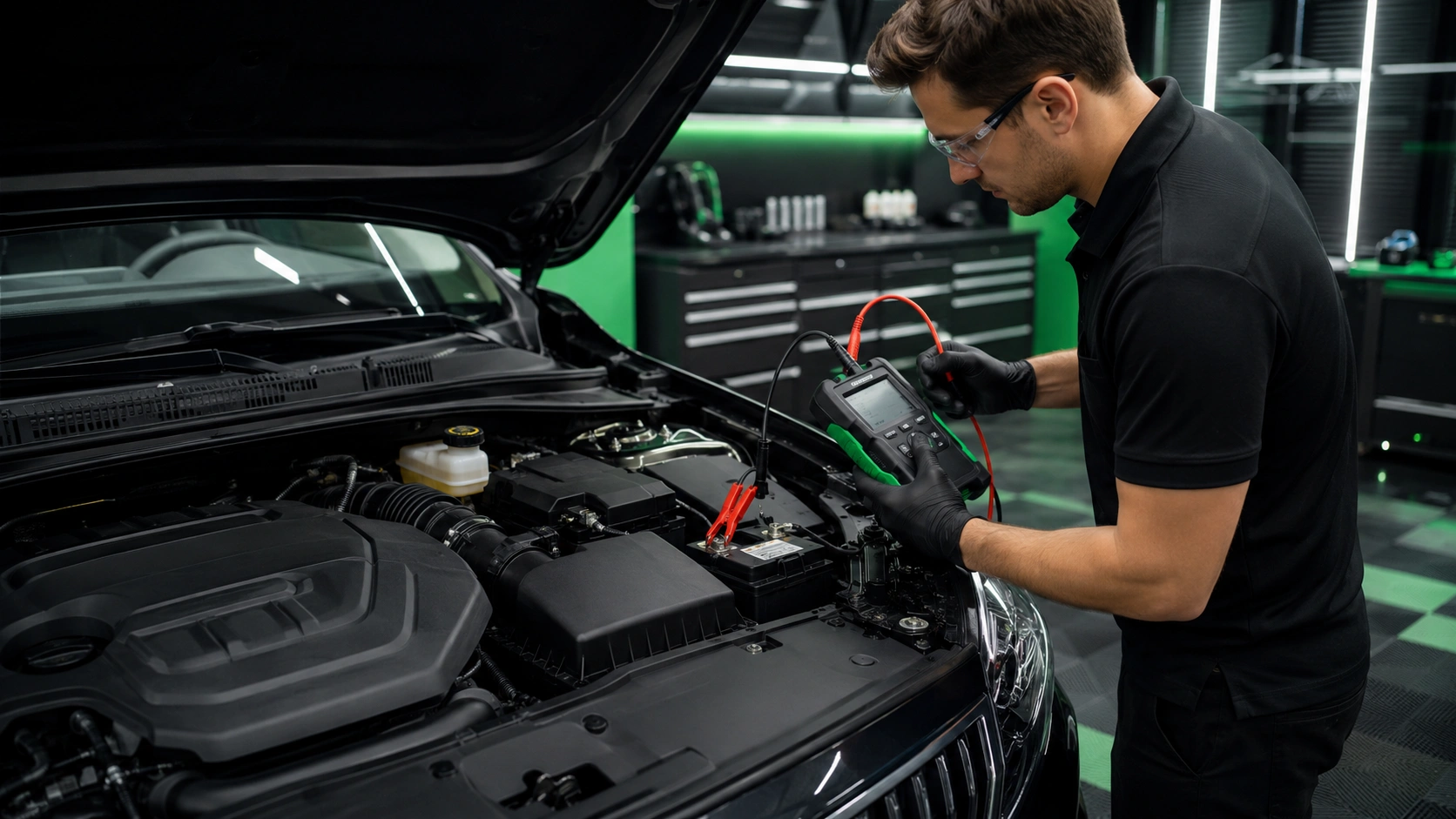
12. Schedule Professional Battery Health Checks
Many workshops can evaluate your battery in less than five minutes. A battery health inspection typically includes battery voltage, Cold Cranking Amps (CCA), charging system performance, internal resistance, and alternator output. Testing the battery once or twice a year helps identify problems before they leave you stranded.
Seasonal Battery Care Guide
Different seasons affect your battery differently. Following seasonal maintenance practices can significantly improve battery performance.
Summer Battery Care
Extreme temperatures place tremendous stress on your battery.
During Summer:
- Park in shaded areas.
- Inspect battery terminals monthly.
- Check battery voltage before long trips.
- Keep the engine bay clean.
- Avoid excessive idling.
- Monitor coolant levels to reduce engine heat.
Monsoon Battery Care
Moisture can affect electrical connections and accelerate corrosion.
During Monsoon:
- Inspect battery terminals.
- Ensure terminal covers are secure.
- Clean moisture from the engine bay.
- Check insulation on battery cables.
- Inspect for rust around battery mounts.
Winter Battery Care
Although most parts of India experience mild winters, batteries still lose efficiency in colder temperatures. During Winter: Drive regularly, avoid long parking periods, test older batteries before winter, warm the engine gently before long drives, and keep battery terminals clean.
Battery Maintenance Checklist
Following a simple routine can significantly improve battery reliability.
Every Month
- Inspect battery terminals.
- Check for corrosion.
- Ensure battery clamps are secure.
- Look for swelling or leakage.
- Clean dirt around the battery.
- Drive the vehicle if parked for several days.
Every Six Months
- Test battery voltage.
- Check charging voltage.
- Inspect battery cables.
- Clean engine bay.
- Check alternator output.
Every Year
- Professional battery health inspection.
- Charging system diagnosis.
- Replace damaged cables.
- Evaluate battery before summer travel.
Do's and Don'ts of Car Battery Maintenance
| ✅ Do | ❌ Don't |
|---|---|
| Drive regularly | Leave lights on overnight |
| Clean battery terminals | Ignore corrosion |
| Test battery annually | Wait until the battery dies |
| Park in shade during summer | Expose the battery to extreme heat unnecessarily |
| Tighten battery clamps | Drive with a loose battery |
| Turn off accessories before leaving | Leave chargers plugged in continuously |
Warning Signs Your Battery May Be Failing
Recognizing early warning signs can save you from unexpected breakdowns.
Slow Engine Cranking
If your engine turns over slowly before starting, the battery may be weakening.
Dim Headlights
Weak headlights—especially while starting—often indicate low battery voltage.
Dashboard Battery Warning Light
Never ignore the battery warning symbol.
It could indicate:
- Weak battery
- Alternator failure
- Charging system issues
Electrical Problems
Watch for:
- Slow power windows
- Flickering lights
- Infotainment restarting
- Sensors behaving abnormally
These may all point toward battery or charging system problems.
Swollen Battery Case
Heat can cause batteries to expand. A swollen battery should be replaced immediately because it may become unsafe.
Corroded Battery Terminals
White, blue, or green deposits around the terminals reduce electrical conductivity and should be cleaned promptly.
Reality Check: Your Battery Needs More Than Just a Replacement
Many drivers assume replacing the battery solves every starting issue. However, if the underlying cause—such as a faulty alternator, parasitic electrical drain, or poor maintenance—isn't addressed, even a brand-new battery may fail prematurely. Regular inspections, proper charging habits, and preventive maintenance are the key to maximizing battery life and ensuring reliable performance throughout the year.
Common Car Battery Myths You Should Stop Believing
Many car owners unknowingly follow outdated advice about battery maintenance. Understanding the facts can help you avoid unnecessary expenses and extend your battery's lifespan.
Myth 1: "Driving for 5 Minutes Fully Charges the Battery"
Reality: Starting your car consumes a large amount of electrical energy. Most vehicles need 20—30 minutes of continuous driving to properly recharge the battery, depending on driving conditions and alternator performance.
Myth 2: "A New Battery Doesn't Need Maintenance"
Reality: You should continue checking battery terminals, charging voltage, battery clamps, corrosion, and cable condition. Regular maintenance helps maximize battery life regardless of its age.
Myth 3: "Only Old Cars Have Battery Problems"
Reality: Modern cars actually place more demand on batteries than older vehicles. Today's vehicles power touchscreen infotainment systems, ADAS sensors, cameras, GPS, push-button start, smart key systems, parking sensors, and USB charging ports. All these electronics increase battery workload.
Myth 4: "Jump Starting Fixes the Problem"
Reality: A jump start only helps restart the vehicle. If your battery repeatedly goes flat, there is usually another issue, such as weak battery, faulty alternator, loose battery connections, parasitic battery drain, or electrical fault. Ignoring the root cause can lead to repeated breakdowns.
Myth 5: "Idling Charges the Battery as Well as Driving"
Although idling provides some charging, normal driving allows the alternator to operate more effectively, resulting in better battery charging.
How to Know When It's Time to Replace Your Battery
Even with excellent maintenance, every battery eventually reaches the end of its service life.
Consider replacing your battery if you notice:
- Battery age exceeds 4—5 years
- Engine struggles to start regularly
- Frequent jump starts are required
- Battery warning light stays on
- Battery case appears swollen
- Excessive corrosion returns quickly
- Voltage consistently remains low during testing
Replacing the battery before complete failure can prevent inconvenient roadside emergencies.
Benefits of Maintaining a Healthy Car Battery
Reliable Starting Performance
Your vehicle starts quickly and consistently in all weather conditions.
Better Electrical Performance
A strong battery ensures stable power for headlights, infotainment systems, air conditioning controls, sensors, and safety electronics.
Reduced Stress on the Alternator
A weak battery forces the alternator to work harder, potentially shortening its lifespan.
Lower Maintenance Costs
Preventive battery care helps avoid expensive emergency repairs, towing charges, and unexpected battery replacements.
Improved Fuel Efficiency
A properly functioning charging system reduces unnecessary engine load, contributing to overall vehicle efficiency.
Higher Resale Value
A vehicle with a well-maintained service history, including battery health, often appeals more to potential buyers.
Why Professional Car Care Matters
Your battery is only one component of your vehicle's overall health.
A clean engine bay allows technicians to easily inspect:
- Battery terminals
- Wiring harnesses
- Electrical connectors
- Fluid leaks
- Alternator condition
- Cooling system components
Professional detailing also removes dust, grease, moisture, and contaminants that can contribute to corrosion and electrical issues over time. Keeping the engine compartment clean doesn't just improve appearance—it supports preventive maintenance and helps identify problems before they become costly repairs.
Why Choose Detailing Devils?
At Detailing Devils, we believe that protecting your vehicle goes beyond maintaining its exterior. Proper care of your engine bay, electrical components, paint, and interior all contribute to a longer-lasting, better-performing vehicle.
Our premium automotive detailing services include:
- Ceramic Coating
- Graphene Coating
- Paint Protection Film (PPF)
- Interior Detailing
- Exterior Detailing
- Engine Bay Detailing
- Paint Correction
- Headlight Restoration
- Windshield Protection
- Wheel & Tyre Detailing
- Bike Detailing
- Luxury Car Detailing
With 140+ studios across India, experienced technicians, and premium detailing products, Detailing Devils helps protect your vehicle against everyday wear, environmental damage, and premature ageing.
Final Verdict: Small Habits Can Add Years to Your Car Battery's Life
Your car battery works silently every time you start your vehicle, power your headlights, or use your infotainment system. Although it often goes unnoticed, it plays a vital role in keeping your vehicle reliable and ready for every journey.
The good news is that extending your battery's lifespan doesn't require expensive equipment or complicated maintenance. Simple habits—such as driving your car regularly, keeping battery terminals clean, avoiding unnecessary electrical loads, protecting the battery from extreme temperatures, and scheduling routine health checks—can significantly improve battery performance and reduce the risk of unexpected breakdowns.
Remember that a healthy battery also reduces strain on your vehicle's charging system, improves overall electrical efficiency, and helps lower long-term maintenance costs.
Whether you drive a hatchback, sedan, SUV, or luxury car, preventive maintenance remains the smartest way to maximize reliability and protect your investment.
Keep Your Car Running at Its Best with Detailing Devils
Maintaining your battery is just one part of comprehensive vehicle care. Regular detailing and preventive maintenance help preserve your car's performance, appearance, and long-term value.
At Detailing Devils, we offer premium services designed to keep every part of your vehicle in top condition—from the engine bay and paintwork to the wheels, glass, and interior.
Whether you're looking for Ceramic Coating, Paint Protection Film (PPF), Engine Bay Detailing, or complete interior and exterior detailing, our experts deliver professional solutions tailored to your vehicle.
Book your appointment today at your nearest Detailing Devils studio and give your car the premium care it deserves.
FAQ
Most car batteries last between 3 and 5 years, depending on driving habits, climate, battery quality, and maintenance.
Frequent short trips, leaving electrical accessories on, extreme heat, poor charging systems, and lack of maintenance are the most common causes of premature battery failure.
A visual inspection should be carried out every month, while a professional battery health test is recommended at least once a year or before long road trips.
Yes. A clean engine bay makes it easier to inspect battery terminals, wiring, and electrical connections while reducing the buildup of dirt and moisture that can contribute to corrosion.
Yes. High temperatures accelerate internal chemical reactions and can shorten battery life if the battery isn't properly maintained.
Not necessarily. If the battery performs well and passes a professional health test, it may continue to operate reliably. However, older batteries should be monitored more frequently.
Repeated jump-starts don't necessarily damage the battery, but they often indicate an underlying issue such as battery wear, charging system faults, or electrical drain that should be diagnosed.
Common warning signs include slow engine cranking, dim headlights, electrical malfunctions, dashboard battery warning lights, and corrosion around the battery terminals.
Related Blogs:
- Best Car Cleaning Service in Noida - Find the best car cleaning services in Noida and keep your car looking new.
- Car Detailing Products - Discover the best products for car detailing and how to use them to achieve a professional shine.
- Detailing Services for Different Cars - Learn about the different types of detailing services available for different types of cars and which one is best for you.
- Car Detailing for Different Seasons - Find out how to prepare your car for different seasons with the right detailing methods and products.
- How to clean your car's interior - Learn the 8 best techniques and products for cleaning the interior of your car, including the seats, dashboard, and carpets.

