




Top 5 Signs It's Time to Overhaul Your Car Engine: The Complete Guide Every Car Owner Should Read
Every car engine is built to last, but no engine lasts forever without proper care. Over time, normal wear and tear, poor maintenance, overheating, oil starvation, and high mileage can take a serious toll on engine components.
Many drivers ignore early warning signs because the car is still running. Unfortunately, waiting until the engine completely fails can turn a relatively affordable repair into a massive expense.
A worn engine rarely stops working without giving clues first. Increased oil consumption, excessive smoke, knocking sounds, poor acceleration, and frequent overheating are often warning signs that your engine needs immediate attention.
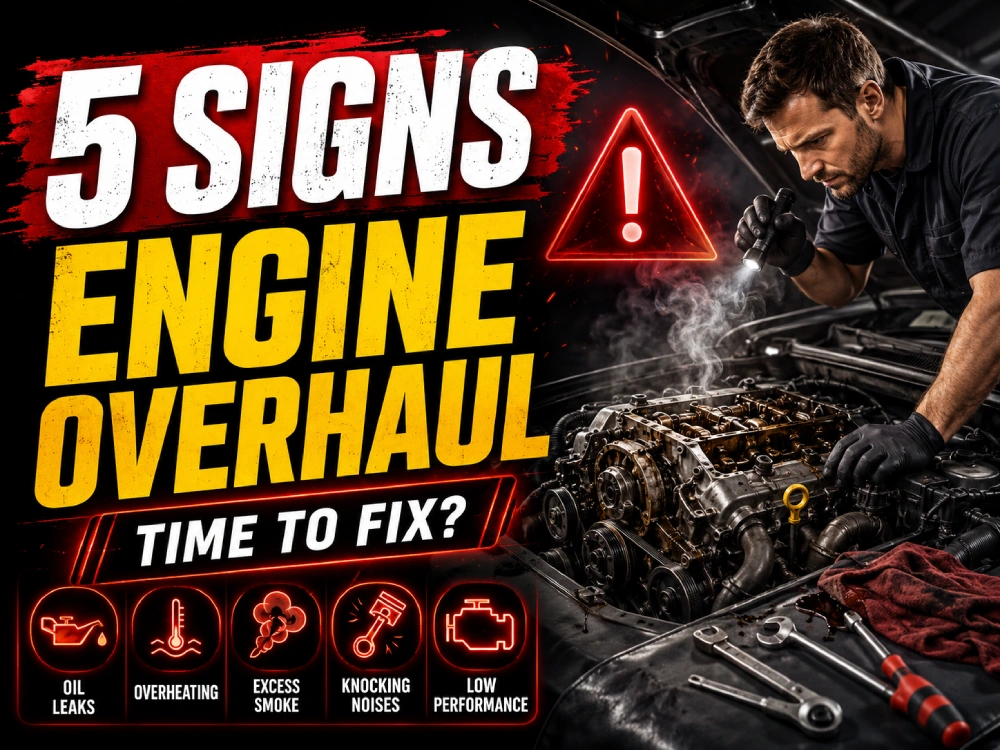
In many cases, these symptoms indicate that the engine may require a major overhaul—a process that restores worn internal components and helps bring the engine back to reliable working condition.
The good news is that identifying these signs early can help you avoid catastrophic engine failure, improve vehicle performance, and extend the lifespan of your car. In this comprehensive Detailing Devils guide, you'll learn what an engine overhaul is, the top five warning signs, common causes of engine damage, estimated overhaul costs, preventive maintenance tips, and how to determine whether your vehicle needs an overhaul or a complete engine replacement.
What You'll Learn in This Guide
- What an engine overhaul is
- Difference between engine repair, overhaul, and replacement
- Top 5 signs your engine needs an overhaul
- Common causes of engine damage
- Engine overhaul costs in India
- Preventive maintenance tips
- Common myths about engine overhauls
- When to repair and when to replace
- Frequently Asked Questions
What Is an Engine Overhaul?
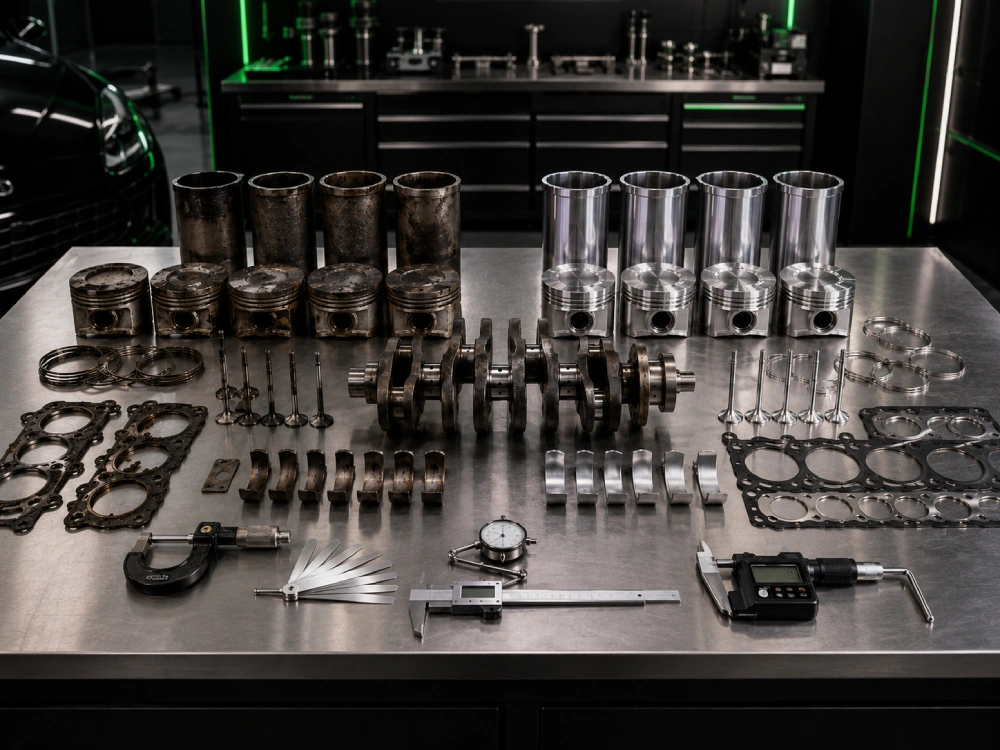
An engine overhaul is a comprehensive repair process where worn or damaged internal engine components are inspected, repaired, refurbished, or replaced to restore the engine's performance.
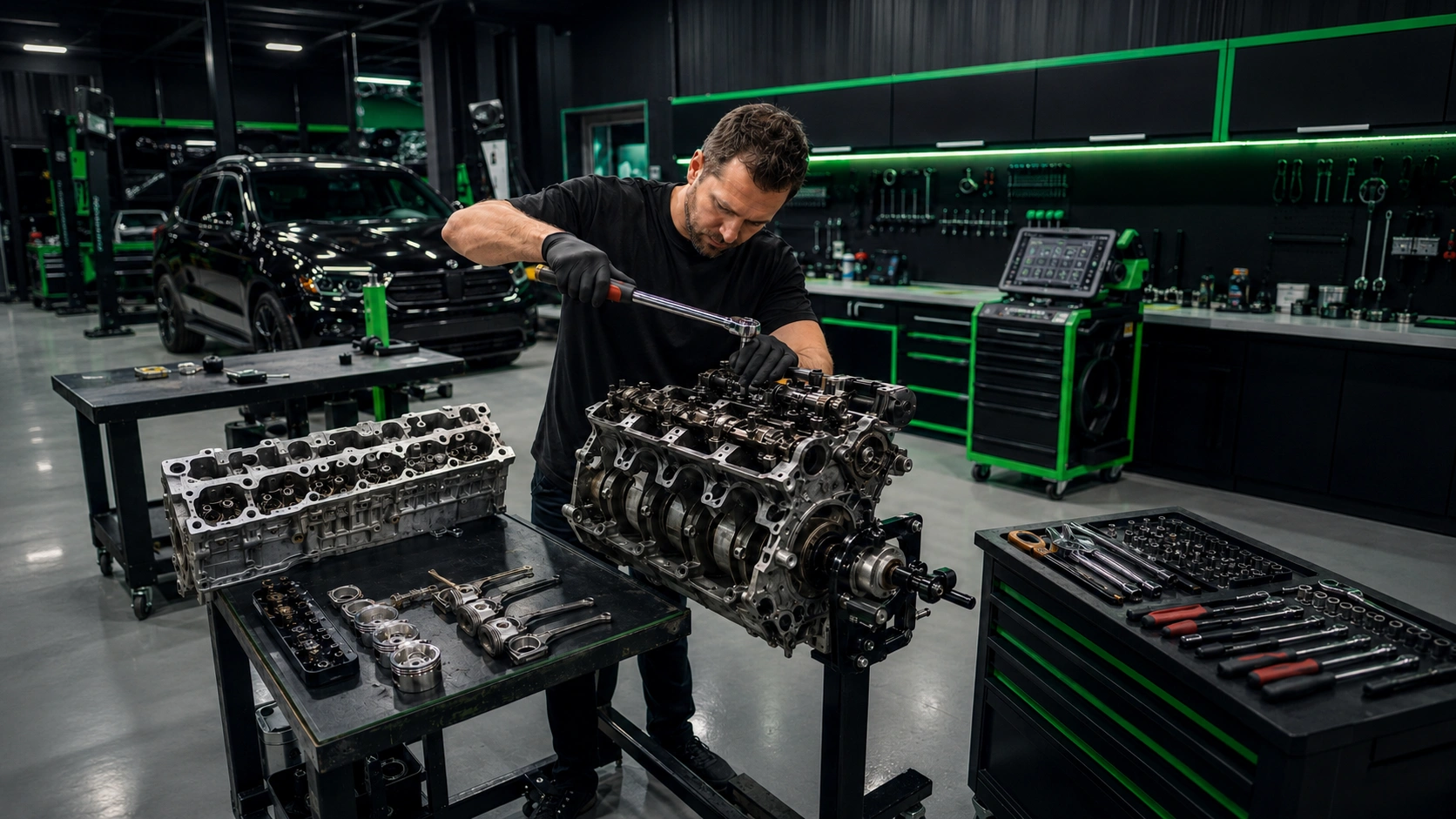
Unlike minor repairs that fix a single component, an overhaul involves dismantling a significant portion of the engine and replacing critical parts that have worn out over time.
An engine overhaul may include replacing:
- Piston rings
- Pistons
- Cylinder liners
- Bearings
- Crankshaft components
- Timing chain or belt
- Valve seals
- Head gasket
- Oil seals
- Gaskets
- Camshaft components
- Oil pump
- Water pump (if required)
The goal is to restore engine compression, reduce oil consumption, improve efficiency, and extend the engine's lifespan.
Engine Repair vs Engine Overhaul vs Engine Replacement
Many car owners confuse these three terms. Understanding the difference helps you make informed decisions when facing major engine problems.
| Service | What It Includes | Best For |
|---|---|---|
| Engine Repair | Fixing one or two faulty components | Minor issues like oil leaks, sensors, belts |
| Engine Overhaul | Rebuilding major internal engine components | High-mileage engines with wear but repairable |
| Engine Replacement | Installing a new or reconditioned engine | Severe engine damage beyond economical repair |
An overhaul is often the most cost-effective option when the engine block remains in good condition.
Why Engines Need an Overhaul
No matter how reliable a vehicle is, engine components gradually wear out due to continuous operation.
Some of the most common reasons include:
- High mileage
- Delayed oil changes
- Engine overheating
- Poor lubrication
- Contaminated engine oil
- Driving with low oil levels
- Ignoring warning lights
- Poor-quality fuel
- Lack of preventive maintenance
Proper servicing significantly delays the need for an overhaul.
Top 5 Signs It's Time to Overhaul Your Car Engine
1. Excessive Blue Exhaust Smoke
Blue smoke coming from the exhaust is one of the strongest indicators that engine oil is entering the combustion chamber.
This usually happens because of worn:
- Piston rings
- Valve seals
- Cylinder walls
- Turbocharger seals (where applicable)
As oil burns along with fuel, the exhaust releases blue or bluish-grey smoke.
Common Symptoms
- Continuous blue exhaust smoke
- Increased engine oil consumption
- Frequent oil top-ups
- Burning oil smell
Ignoring this issue can eventually damage the catalytic converter and significantly increase repair costs.
2. Excessive Engine Oil Consumption
If you're adding engine oil much more frequently than recommended, your engine may have significant internal wear.
Although some oil consumption is normal in older engines, excessive oil loss usually points to:
- Worn piston rings
- Cylinder wear
- Valve seal failure
- Internal engine damage
Warning Signs
- Oil level drops quickly
- No visible external oil leaks
- Frequent dashboard oil warnings
- Reduced engine performance
A compression test can often confirm whether internal engine wear is responsible.
Reality Check: More Oil Isn't the Solution
Many drivers simply keep topping up engine oil instead of identifying the underlying problem. Adding more oil does not repair worn piston rings, damaged cylinders, or failing valve seals. It only delays proper repairs while allowing internal engine wear to continue. Early diagnosis often prevents more extensive—and expensive—engine damage.
3. Loss of Engine Power and Poor Acceleration
A healthy engine should deliver smooth and responsive acceleration.
If your vehicle feels noticeably sluggish despite proper maintenance, internal engine wear may be reducing compression and overall efficiency.
Common causes include:
- Worn piston rings
- Low engine compression
- Valve leakage
- Damaged cylinders
- Compression loss
Common Symptoms
- Poor acceleration
- Reduced fuel economy
- Difficulty climbing hills
- Engine struggling under load
- Lack of responsiveness
A compression or leak-down test is often recommended to evaluate engine health.
4. Knocking or Tapping Noises from the Engine
Your engine should run smoothly with minimal mechanical noise. If you begin hearing persistent knocking, tapping, or metallic sounds while driving or idling, it could indicate excessive wear inside the engine.
These sounds often result from:
- Worn crankshaft bearings
- Damaged connecting rod bearings
- Worn pistons
- Low engine oil pressure
- Excessive internal engine clearance
Ignoring unusual engine noises can lead to catastrophic engine failure if critical components seize or break.
Common Symptoms
- Metallic knocking while accelerating
- Ticking noise from the top of the engine
- Loud engine noise during cold starts
- Reduced engine smoothness
- Increased engine vibration
If these noises become louder over time, have the engine inspected immediately.
5. Frequent Engine Overheating
An engine that repeatedly overheats may have much deeper issues than a faulty radiator or thermostat.
Continuous overheating can damage:
- Cylinder head
- Head gasket
- Pistons
- Engine block
- Valves
Repeated overheating often accelerates engine wear and may eventually require a complete overhaul.
Common Symptoms
- Temperature gauge rising frequently
- Steam from the bonnet
- Coolant loss
- Engine warning lights
- Reduced engine performance
Never continue driving an overheating vehicle, as severe damage can occur within minutes.
Engine Overhaul Severity Guide
| Engine Condition | Severity | Recommended Action |
|---|---|---|
| Slight oil consumption | Low | Monitor and inspect during servicing |
| Blue exhaust smoke | Moderate | Schedule engine diagnostics |
| Knocking sounds | High | Immediate professional inspection |
| Frequent overheating | Very High | Stop driving and repair immediately |
| Multiple warning signs together | Critical | Engine overhaul evaluation required |
What Causes Severe Engine Wear?
Understanding the root causes of engine damage helps you avoid expensive repairs in the future.
Delayed Engine Oil Changes
Engine oil loses its lubricating properties over time. Driving beyond recommended service intervals increases friction, sludge formation, and internal wear.
Driving with Low Engine Oil
Low oil levels reduce lubrication between moving engine parts. Without sufficient lubrication, bearings wear faster, pistons overheat, crankshaft damage may occur, and engine seizure becomes possible.
Repeated Engine Overheating
Every overheating event weakens engine components. It can lead to warped cylinder heads, blown head gaskets, cracked engine blocks, and damaged pistons.
Poor Quality Engine Oil
Using incorrect or low-quality engine oil may reduce lubrication effectiveness. Always use the oil grade recommended by your vehicle manufacturer.
Ignoring Dashboard Warning Lights
Oil pressure, coolant temperature, and check engine warnings should never be ignored. These warning systems are designed to alert drivers before serious damage occurs.
Poor Driving Habits
Aggressive acceleration, excessive engine revving, and carrying heavy loads frequently increase stress on engine components. Smooth driving habits help extend engine life significantly.
DIY Engine Health Inspection Checklist
Although an engine overhaul requires professional diagnosis, you can identify several warning signs yourself.
Check Engine Oil
- Oil level below minimum
- Dirty or sludge-filled oil
- Metallic particles on dipstick
Observe Exhaust Smoke
- Blue smoke
- Continuous smoke after warm-up
- Strong burning oil smell
Listen to the Engine
- Knocking
- Tapping
- Metallic noises
- Loud idle
Monitor Temperature
- Temperature gauge frequently above normal
- Coolant loss
- Steam under the bonnet
Watch Dashboard Warnings
- Oil pressure warning
- Check Engine light
- Temperature warning light
If multiple symptoms appear together, schedule a professional inspection immediately.
Engine Overhaul vs Buying a New Engine
Many owners wonder whether rebuilding or replacing the engine is the better option.
| Engine Overhaul | Engine Replacement |
|---|---|
| Lower cost (in many cases) | Higher initial cost |
| Retains original engine | New or reconditioned engine |
| Ideal if engine block is healthy | Best for catastrophic engine damage |
| Can restore excellent performance | May require registration or compatibility checks |
A professional inspection will help determine which option offers the best value for your vehicle.
How to Prevent an Engine Overhaul
Most engine overhauls can be delayed—or even avoided—with proper maintenance.
Follow these best practices:
- Change engine oil on schedule.
- Replace the oil filter during every oil change.
- Check coolant levels regularly.
- Never ignore overheating.
- Use manufacturer-recommended engine oil.
- Replace air filters on time.
- Address oil leaks promptly.
- Warm up the engine gently before aggressive driving.
- Schedule periodic engine inspections.
Common Myths About Engine Overhauls
Many vehicle owners postpone major engine repairs because of common misconceptions. Understanding the facts can help you make informed decisions and potentially save thousands of rupees.
Myth 1: "An Engine Overhaul Means Buying a New Engine"
Reality: An engine overhaul rebuilds the existing engine by replacing or repairing worn internal components. If the engine block is still in good condition, an overhaul is often far more economical than a complete engine replacement.
Myth 2: "If My Car Still Starts, the Engine Is Fine"
Reality: A car may continue running even when serious internal wear has already begun. Symptoms like blue exhaust smoke, low compression, high oil consumption, engine knocking, and poor acceleration often appear long before complete engine failure. Early diagnosis can significantly reduce repair costs.
Myth 3: "Using Thicker Engine Oil Fixes Engine Wear"
Reality: While thicker oil may temporarily reduce visible smoke or oil usage, it does not repair worn piston rings, damaged cylinders, or failing bearings. The underlying mechanical issue remains.
Myth 4: "Engine Overhauls Always Cost More Than the Car Is Worth"
Reality: For many well-maintained vehicles—especially premium sedans, SUVs, and diesel vehicles—an engine overhaul can be a far more cost-effective solution than purchasing another vehicle. A professional inspection helps determine whether rebuilding is financially worthwhile.
Myth 5: "Regular Servicing Completely Prevents Engine Problems"
Routine servicing greatly reduces engine wear, but it cannot completely eliminate natural mechanical ageing. Even well-maintained engines experience gradual wear after years of driving. However, proper servicing can significantly delay the need for an overhaul and improve long-term reliability.
When Should You Consider an Engine Overhaul?
An engine overhaul becomes a practical option when multiple warning signs appear together and the engine is no longer performing efficiently.
Consider an overhaul if your vehicle experiences:
- Persistent blue exhaust smoke
- Excessive engine oil consumption
- Noticeable loss of power
- Low compression readings
- Continuous knocking noises
- Frequent overheating
- High mileage with declining performance
A qualified technician can assess whether rebuilding the engine is more economical than replacing it.
Why Professional Engine Diagnosis Matters
Modern engines are complex systems with hundreds of precision components working together. Diagnosing internal engine problems requires more than simply listening for unusual noises.
Professional workshops use advanced diagnostic techniques such as:
- Engine compression testing
- Cylinder leak-down testing
- Computer diagnostics (OBD scanning)
- Oil pressure testing
- Cooling system pressure testing
- Visual inspection of internal components
These tests help pinpoint the actual cause of engine wear and prevent unnecessary replacement of functioning parts.
Why Engine Bay Detailing Supports Preventive Maintenance
Although engine bay detailing does not repair mechanical problems, it plays an important role in preventive vehicle maintenance.
A professionally cleaned engine bay allows technicians to quickly identify:
- Fresh oil leaks
- Coolant leaks
- Loose hoses
- Damaged wiring
- Worn belts
- Cracked seals
- Fluid contamination
Removing accumulated grease and dirt also makes routine inspections faster and more accurate. A clean engine compartment not only looks better but also helps detect developing issues before they become major repairs.
Why Choose Detailing Devils?
At Detailing Devils, we believe that protecting your vehicle means more than maintaining a glossy exterior. Preventive care, regular inspections, and professional detailing all contribute to a healthier, longer-lasting vehicle.
Our premium automotive detailing services include:
- Ceramic Coating
- Graphene Coating
- Paint Protection Film (PPF)
- Engine Bay Detailing
- Interior Detailing
- Exterior Detailing
- Paint Correction
- Headlight Restoration
- Windshield Protection
- Wheel & Tyre Detailing
- Bike Detailing
- Luxury Car Detailing
With 140+ studios across India, highly trained technicians, and premium detailing products, Detailing Devils helps protect your vehicle against everyday wear while supporting long-term maintenance.
Final Verdict: Don't Ignore the Warning Signs
Your engine is the heart of your vehicle, and like any precision machine, it gives warning signs before major problems occur. Symptoms such as excessive blue smoke, high engine oil consumption, knocking noises, poor acceleration, and repeated overheating should never be ignored.
An engine overhaul may sound like a major repair, but in many cases, it can restore performance, improve reliability, and extend your vehicle's lifespan without the cost of replacing the entire engine. Acting early often means replacing worn components before they cause irreversible damage.
The best way to avoid a costly overhaul is through preventive maintenance. Following the recommended service schedule, using the correct engine oil, checking fluid levels regularly, addressing oil leaks promptly, and responding quickly to warning lights can significantly reduce engine wear over time.
Whether you drive a hatchback, sedan, SUV, or luxury vehicle, investing in routine maintenance today can save you from major repairs tomorrow.
Keep Your Engine in Peak Condition with Detailing Devils
A healthy engine deserves a clean and well-maintained environment. While mechanical servicing keeps internal components functioning properly, professional detailing helps preserve the engine bay, improve inspection visibility, and protect your vehicle's overall appearance.
At Detailing Devils, we provide premium Engine Bay Detailing, Ceramic Coating, Paint Protection Film (PPF), Interior Detailing, and complete vehicle protection services tailored to every type of car.
Visit your nearest Detailing Devils studio today for a professional inspection and premium detailing services that help keep your vehicle performing and looking its best.
FAQ
An engine overhaul is the process of dismantling, inspecting, repairing, and replacing worn internal engine components to restore performance and extend engine life.
Common signs include blue exhaust smoke, excessive engine oil consumption, knocking sounds, poor acceleration, frequent overheating, and low engine compression. A professional inspection can confirm whether an overhaul is necessary.
If the engine block and major structural components are in good condition, an overhaul is often more cost-effective than a complete engine replacement.
Costs vary depending on the vehicle type and extent of repairs. Small hatchbacks may cost around ₹30,000—₹60,000, while luxury vehicles can exceed ₹2,00,000.
No. Persistent knocking noises may indicate serious internal wear. Continuing to drive can cause severe engine damage.
Not necessarily. Many high-mileage engines remain reliable if they've been properly maintained. Condition is more important than mileage alone.
Routine maintenance greatly reduces engine wear and can delay the need for an overhaul, but it cannot completely prevent normal mechanical ageing.
No. Engine bay detailing does not repair mechanical faults. However, it helps technicians detect oil leaks, coolant leaks, damaged hoses, and worn components more easily during inspections.
Related Blogs:
- Best Car Cleaning Service in Noida - Find the best car cleaning services in Noida and keep your car looking new.
- Car Detailing Products - Discover the best products for car detailing and how to use them to achieve a professional shine.
- Detailing Services for Different Cars - Learn about the different types of detailing services available for different types of cars and which one is best for you.
- Car Detailing for Different Seasons - Find out how to prepare your car for different seasons with the right detailing methods and products.
- How to clean your car's interior - Learn the 8 best techniques and products for cleaning the interior of your car, including the seats, dashboard, and carpets.

