




Top 7 Brake Failure Causes and How to Prevent Them
Your vehicle's braking system is its most important safety feature. Whether you're navigating busy city traffic, driving on highways, or tackling mountain roads, your brakes are responsible for bringing thousands of kilograms of moving metal to a safe stop.
Unfortunately, many drivers ignore brake maintenance until a serious problem appears. Brake failure doesn't usually happen without warning. Most braking issues develop gradually and provide clear signs before becoming dangerous.
In this Detailing Devils guide, we'll explore the top 7 causes of brake failure, how to recognize early warning signs, and practical maintenance tips that can help keep you and your passengers safe.
Detailing Devils Tip: If your vehicle shows unusual braking behavior, squealing sounds, vibrations, or increased stopping distance, get the braking system inspected immediately.
What You'll Learn in This Guide
- The most common causes of brake failure
- Warning signs every driver should know
- How brake fluid affects braking performance
- The importance of regular brake inspections
- Prevention tips to avoid costly repairs
- Frequently asked questions about brake safety
Why Brake Failure Is So Dangerous
Modern braking systems are engineered to provide reliable stopping power in almost every driving condition. However, when one or more components fail, your vehicle may lose the ability to stop efficiently.
Brake failure can lead to:
- Increased stopping distance
- Loss of vehicle control
- Accidents and collisions
- Damage to other vehicle components
- Expensive repairs
Regular maintenance is the key to preventing most brake-related issues.
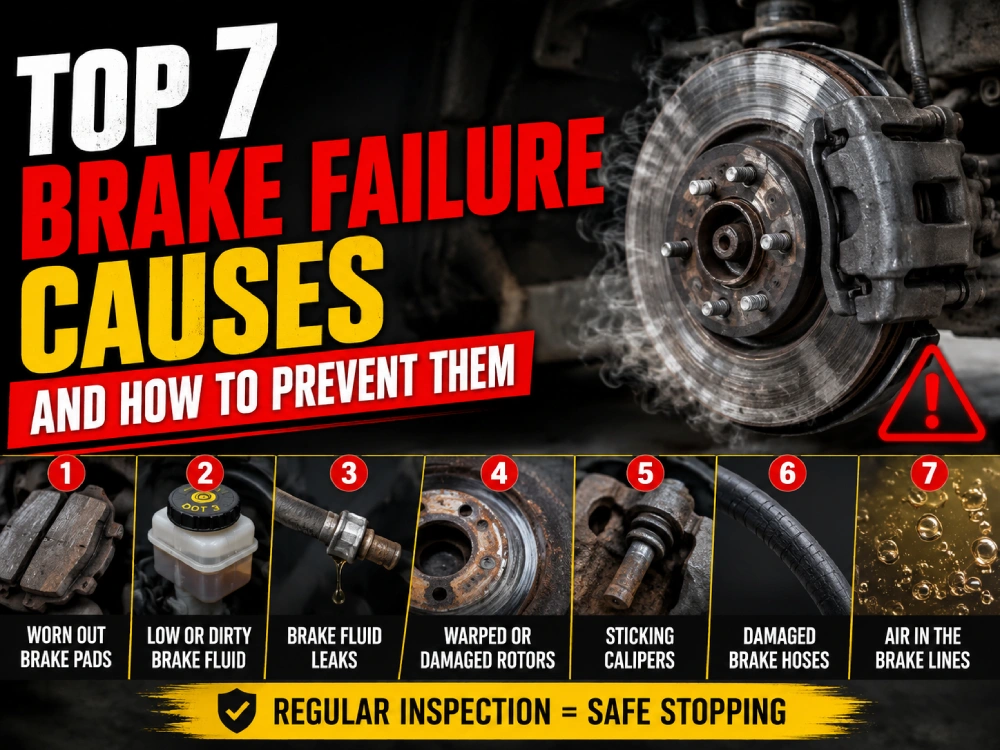
Top 7 Brake Failure Causes and How to Prevent Them
1. Low or Contaminated Brake Fluid
Brake fluid plays a critical role in transmitting force from the brake pedal to the braking components.
Over time, brake fluid absorbs moisture, reducing its effectiveness and causing corrosion within the brake system.
Warning Signs
- Soft or spongy brake pedal
- Brake warning light illuminated
- Reduced braking efficiency
- Fluid leaks beneath the vehicle
Prevention
- Check brake fluid levels regularly
- Replace brake fluid according to manufacturer recommendations
- Inspect for leaks during routine servicing
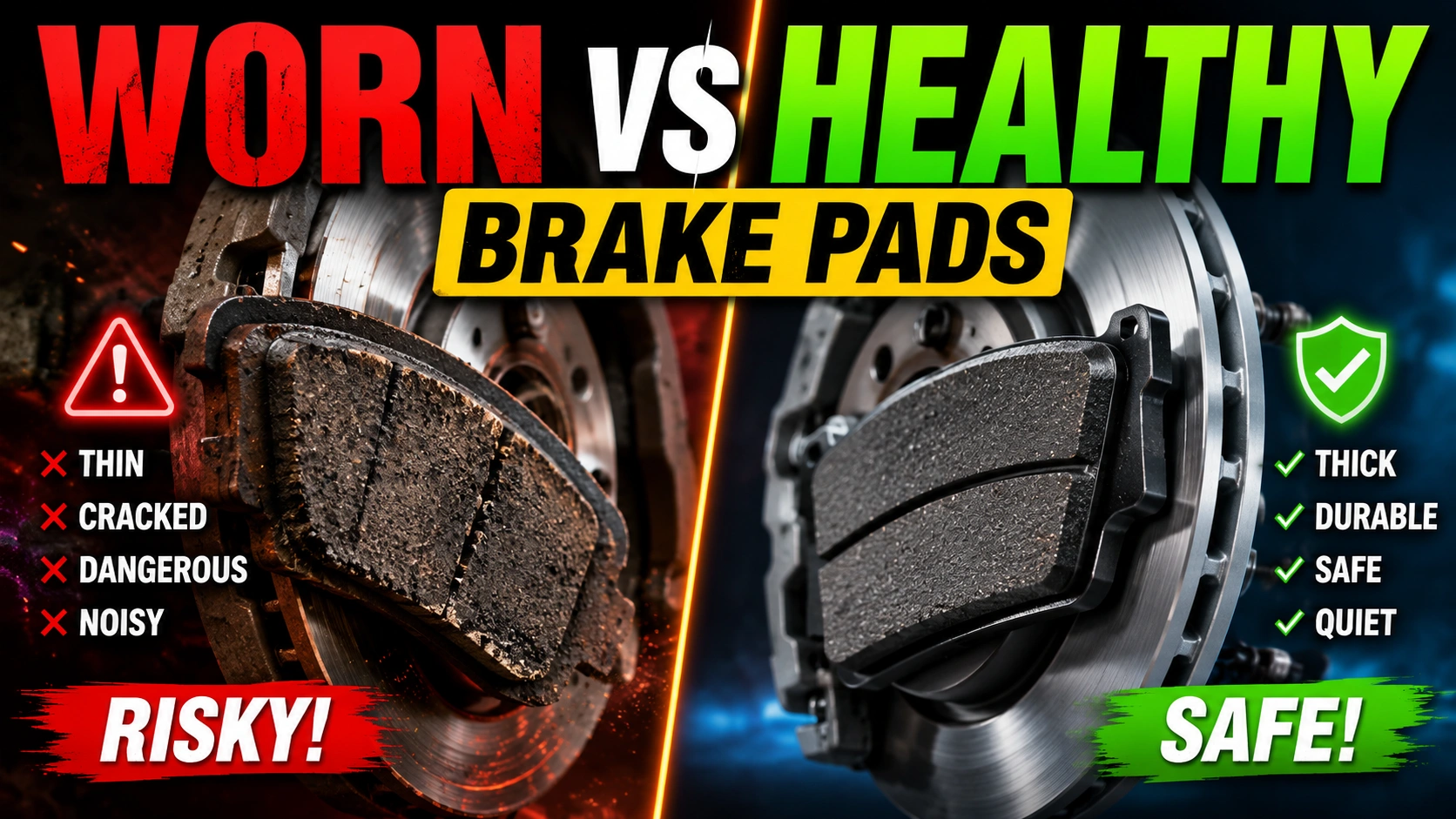
2. Worn Brake Pads
Brake pads naturally wear down over time due to friction.
When pads become too thin, braking performance decreases significantly and can damage brake rotors.
Warning Signs
- Squealing or grinding noises
- Reduced stopping power
- Brake warning indicators
- Vibrations during braking
Prevention
- Inspect brake pads every service interval
- Replace pads before they become excessively worn
- Avoid aggressive braking whenever possible
3. Damaged Brake Rotors
Brake rotors provide the surface against which brake pads create friction.
Excessive heat, wear, and poor maintenance can cause rotor warping or damage.
Warning Signs
- Steering wheel vibration during braking
- Pulsating brake pedal
- Uneven braking performance
- Visible grooves on rotor surfaces
Prevention
- Replace brake pads on time
- Avoid repeated hard braking
- Have rotors inspected during servicing
4. Brake Line Leaks
Brake lines carry hydraulic fluid throughout the braking system.
Even a small leak can dramatically reduce braking performance.
Warning Signs
- Sudden drop in brake fluid level
- Soft brake pedal
- Visible fluid underneath the vehicle
- Brake warning light activation
Prevention
- Inspect brake lines regularly
- Replace damaged or corroded lines immediately
- Never ignore brake fluid loss
5. Overheated Brakes (Brake Fade)
Brake fade occurs when excessive heat reduces braking efficiency.
It is common during long downhill drives or aggressive driving conditions.
Warning Signs
- Burning smell from wheels
- Reduced braking effectiveness
- Hard brake pedal
- Increased stopping distance
Prevention
- Avoid continuous heavy braking
- Use engine braking on steep descents
- Allow brakes to cool after demanding driving conditions
6. Faulty Brake Calipers
Brake calipers apply pressure to the brake pads.
A sticking or malfunctioning caliper can cause uneven braking and excessive wear.
Warning Signs
- Vehicle pulling to one side
- Uneven brake pad wear
- Excessive heat from one wheel
- Strange noises while braking
Prevention
- Regular brake inspections
- Lubricate caliper components when recommended
- Replace faulty calipers promptly
7. ABS System Malfunction
Modern vehicles use Anti-lock Braking Systems (ABS) to improve control during emergency braking.
Faulty sensors or electronic components can affect system performance.
Warning Signs
- ABS warning light illuminated
- Unexpected ABS activation
- Reduced emergency braking performance
- Loss of traction control functionality
Prevention
- Address ABS warning lights immediately
- Scan for fault codes during servicing
- Replace damaged sensors when required
Essential Brake Maintenance Checklist
Follow these simple habits to reduce the risk of brake failure:
- Check brake fluid every month.
- Listen for unusual noises while braking.
- Inspect brake pads regularly.
- Replace worn components promptly.
- Service your braking system according to manufacturer schedules.
- Avoid aggressive driving habits.
- Have your vehicle inspected before long road trips.
Common Brake Safety Myths
Myth 1: Brakes Fail Without Warning
Most brake failures develop gradually and show warning signs beforehand.
Myth 2: Brake Fluid Never Needs Replacement
Brake fluid degrades over time and should be replaced periodically.
Myth 3: Squealing Brakes Are Normal
Persistent brake noise often indicates wear or component damage.
Myth 4: New Brake Pads Solve Every Problem
Damaged rotors, calipers, or hydraulic components may also require attention.
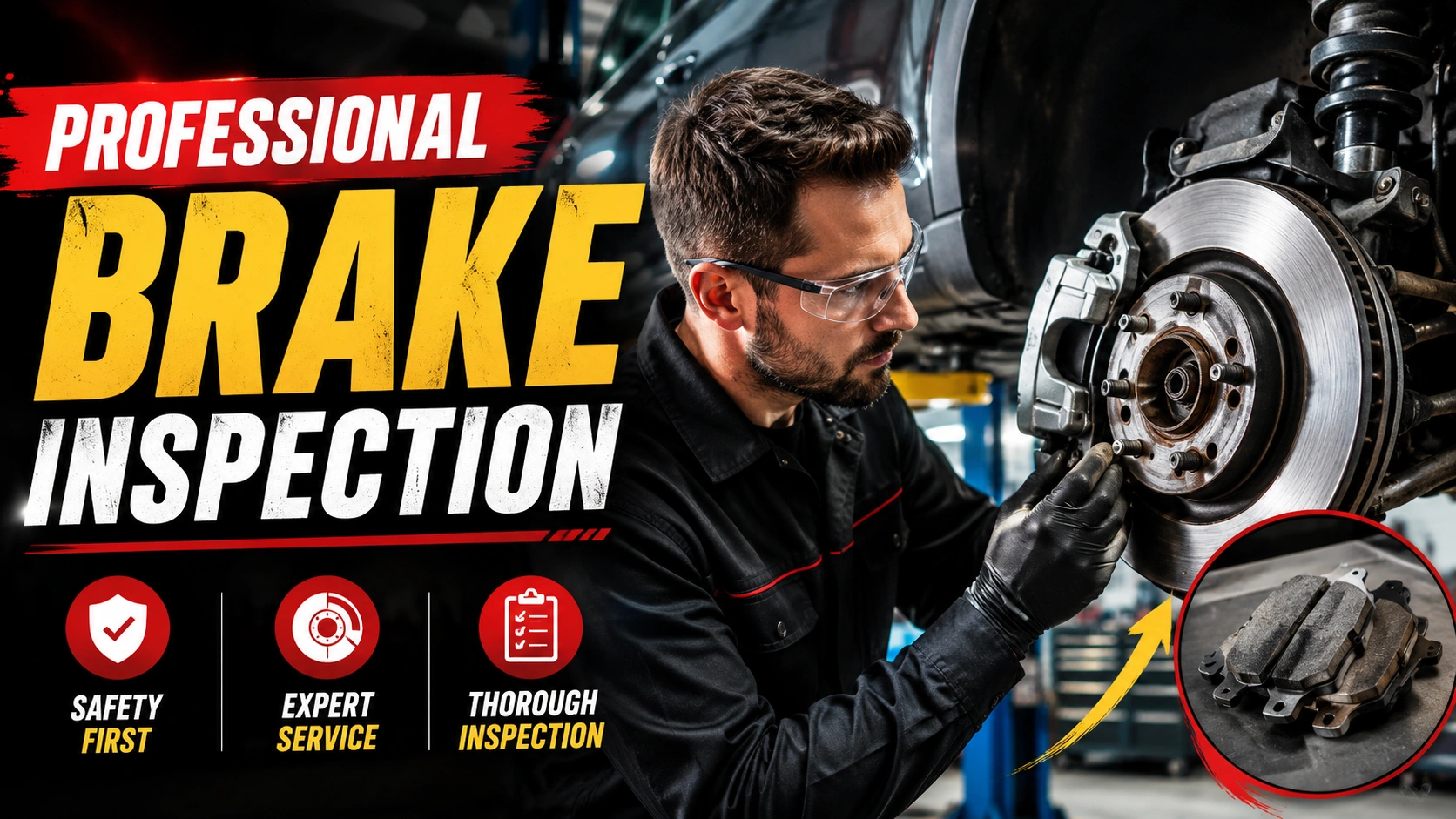
When Should You Get Your Brakes Inspected?
Schedule a professional inspection if:
- Your brake pedal feels soft.
- You hear grinding or squealing sounds.
- The vehicle pulls during braking.
- Warning lights appear on the dashboard.
- Stopping distances increase.
- You notice vibrations while braking.
Early diagnosis can prevent expensive repairs and improve safety.
Final Word: Never Ignore Brake Warning Signs
Your brakes are the first line of defense against accidents. While modern braking systems are highly reliable, neglecting maintenance can lead to serious problems and dangerous driving situations.
Understanding the common causes of brake failure helps you identify issues early, maintain optimal performance, and drive with confidence. A simple inspection today could prevent a major problem tomorrow.
Want your vehicle to remain safe, clean, and road-ready? Visit your nearest Detailing Devils studio for professional vehicle inspections and premium automotive care solutions.
FAQ
Low brake fluid and worn brake pads are among the most common causes of brake failure.
Most brake pads last between 30,000—70,000 km depending on driving habits and vehicle type.
Yes. Low or contaminated brake fluid can significantly reduce braking performance.
A spongy pedal often indicates air in the brake lines or deteriorated brake fluid.
No. Any brake warning light should be inspected immediately.
Drive smoothly, avoid harsh braking, maintain brake fluid, and follow recommended service intervals.
Related Blogs:
- Best Car Cleaning Service in Noida - Find the best car cleaning services in Noida and keep your car looking new.
- Car Detailing Products - Discover the best products for car detailing and how to use them to achieve a professional shine.
- Detailing Services for Different Cars - Learn about the different types of detailing services available for different types of cars and which one is best for you.
- Car Detailing for Different Seasons - Find out how to prepare your car for different seasons with the right detailing methods and products.
- How to clean your car's interior - Learn the 8 best techniques and products for cleaning the interior of your car, including the seats, dashboard, and carpets.

