




Ceramic Coating : 15 Things You Must Know Before Spending
If you are planning to spend ₹15,000–₹70,000 on ceramic coating, you need to know the truth first.
👉 It is NOT scratch-proof
👉 It is NOT permanent
👉 And choosing the wrong detailing studio can waste your money
In India, most car owners get ceramic coating without fully understanding what it actually does — and later regret it.
This guide will help you understand the real price, benefits, limitations, and ceramic coating vs PPF comparison — so you can make the right decision before spending.
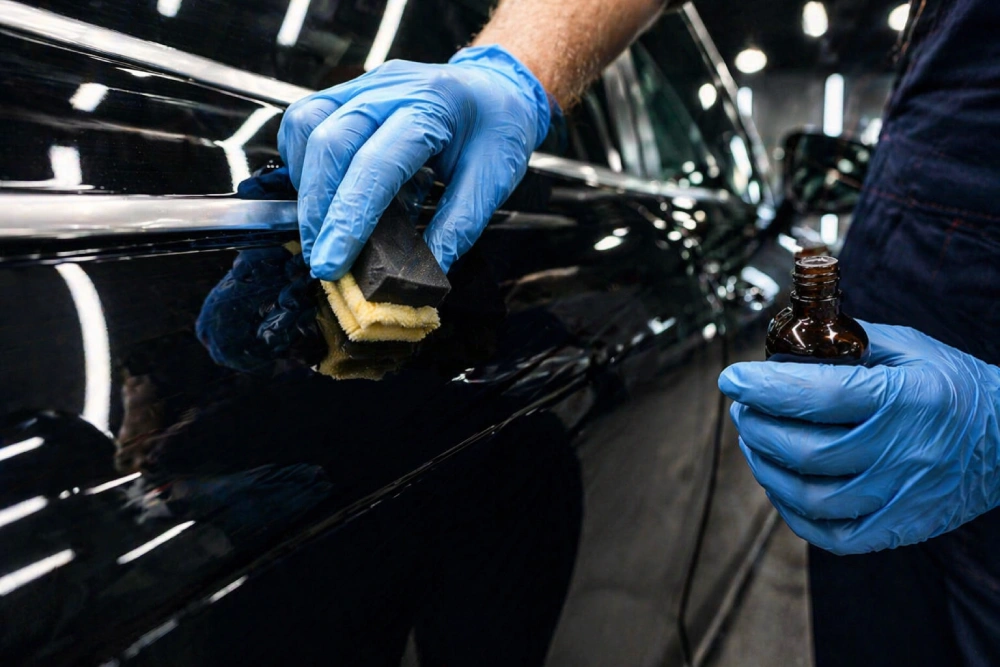
At Detailing Devils, we regularly meet customers who want to know whether ceramic coating is worth it, how much it costs, how long it lasts, and whether it is better than wax or PPF (read ceramic coating vs PPF comparison). In this detailed 2026 guide, you will learn everything important before making a decision.
Ceramic Coating Price in India (2026)
| Vehicle Type | Price Range |
|---|---|
| Hatchback | ₹12,000 — ₹30,000 |
| Sedan | ₹15,000 — ₹50,000 |
| SUV | ₹30,000 — ₹70,000 |
Final pricing depends on:
- Paint condition
- Coating quality
- Number of layers
- Detailing studio expertise
For accurate pricing and professional application, visit your nearest Detailing Devils studio.
What Is Ceramic Coating?
Ceramic coating is a liquid polymer applied to car paint that creates a protective layer. It enhances gloss, improves water repellency, and protects against daily contaminants. However, it does not provide complete scratch-proof protection like Paint Protection Film (PPF).
Unlike wax or polish, ceramic coating lasts much longer and offers better durability. It also creates a hydrophobic surface, meaning water and dirt slide off more easily, making the car easier to clean and maintain.
In simple terms, ceramic coating is not just about shine — it is a long-term paint protection solution for car owners who want better finish retention and lower maintenance.
If you want to explore service-related details, you can also read Ceramic Coating Service.
How Does Ceramic Coating Work?
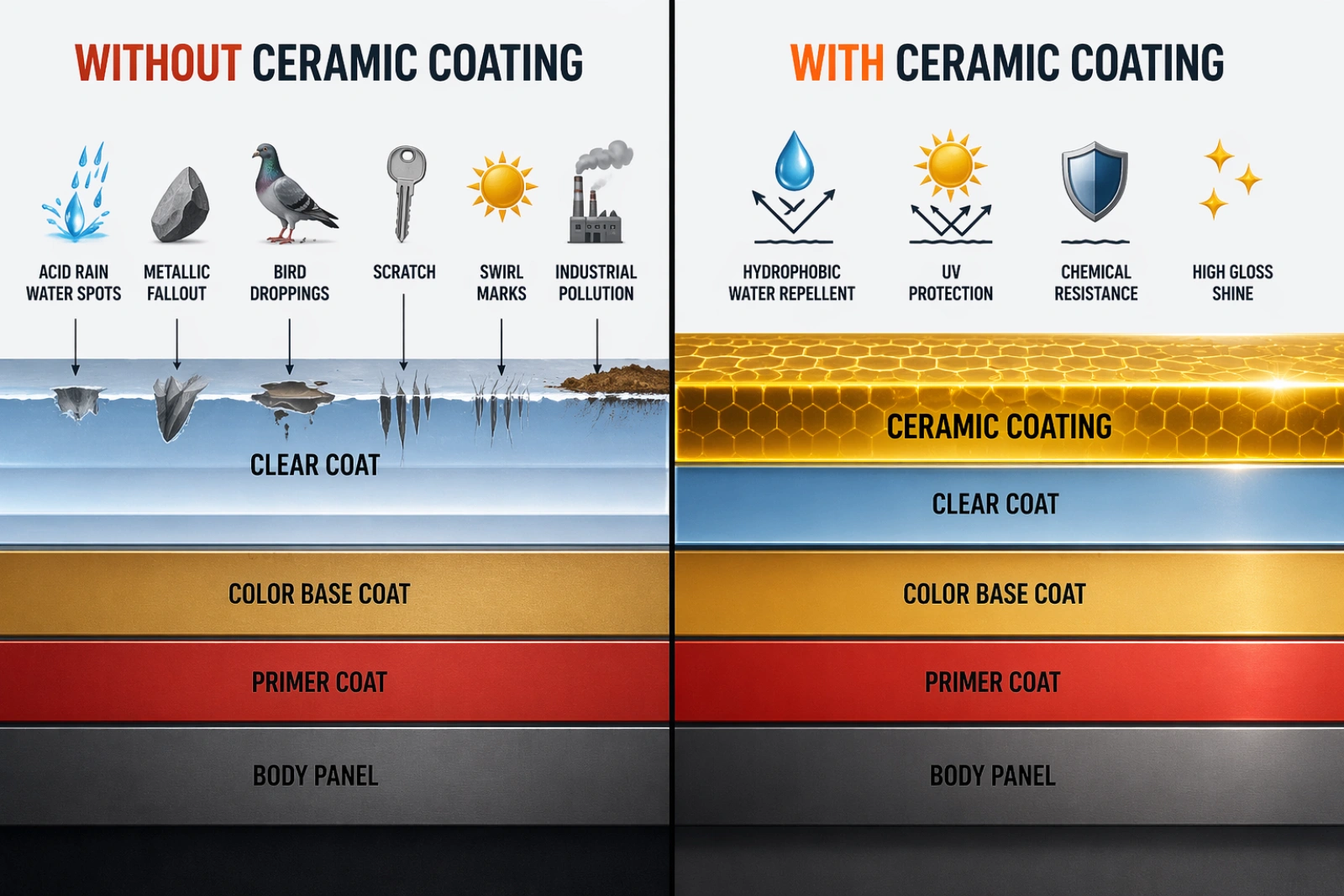
Ceramic coating forms a chemical bond with the car's paint, creating a durable protective nano layer. This layer improves gloss, smoothness, and protects the surface from environmental damage.
Key Mechanisms:
- Nano Bonding: Creates a semi-permanent protective layer
- Hydrophobic Effect: Water and dirt slide off easily
- Pore Filling: Smooths the paint for better shine
- Chemical Resistance: Protects from contaminants
- UV Protection: Reduces fading and oxidation
👉 This is why ceramic coating is considered a long-term paint protection solution.
Why Ceramic Coating Has Become So Popular
Ceramic coating has become one of the most in-demand car protection solutions in India because modern vehicle owners want more than just temporary shine. They want long-term protection, easier maintenance, and better paint preservation.
In Indian conditions, cars are exposed to dust, bird droppings, harsh sunlight, hard water spots, pollution, tree sap, road grime, and acidic contaminants. Over time, these factors can damage the paint surface, reduce gloss, and make the vehicle look dull.
Ceramic coating helps reduce the impact of these daily threats by creating a protective layer that improves surface resistance and makes cleaning easier.
That is why many owners of new cars, luxury vehicles, SUVs, and premium bikes choose ceramic coating as a smart long-term investment for maintaining their vehicle's appearance.
Types of Ceramic Coating
Ceramic coating comes in different types based on durability and protection level.
- 1-Year Coating: Basic protection, budget-friendly, suitable for short-term use.
- 3-Year Coating: Balanced option with better durability and performance for daily use.
- 5-Year Coating: Premium coating with long-term protection, deep gloss, and strong resistance.
- Graphene Coating: Advanced coating with better heat resistance, durability, and water spot protection.
👉 Choose based on your budget, vehicle condition, and usage.
Reality Check: What Most People Don't Know
- Ceramic coating is NOT scratch-proof
- It is NOT a permanent solution
- Cheap coatings may fail within months
- Bad application leads to poor results
Detailing Devils Experience
Based on our experience, over 70% of car owners skip paint correction before ceramic coating — which leads to poor results and wasted money.
15 Things You Must Know Before Spending on Ceramic Coating
Before you invest in ceramic coating, there are some important facts you should clearly understand. Knowing these points will help you make the right decision and avoid unrealistic expectations.
1. Ceramic coating is not the same as wax
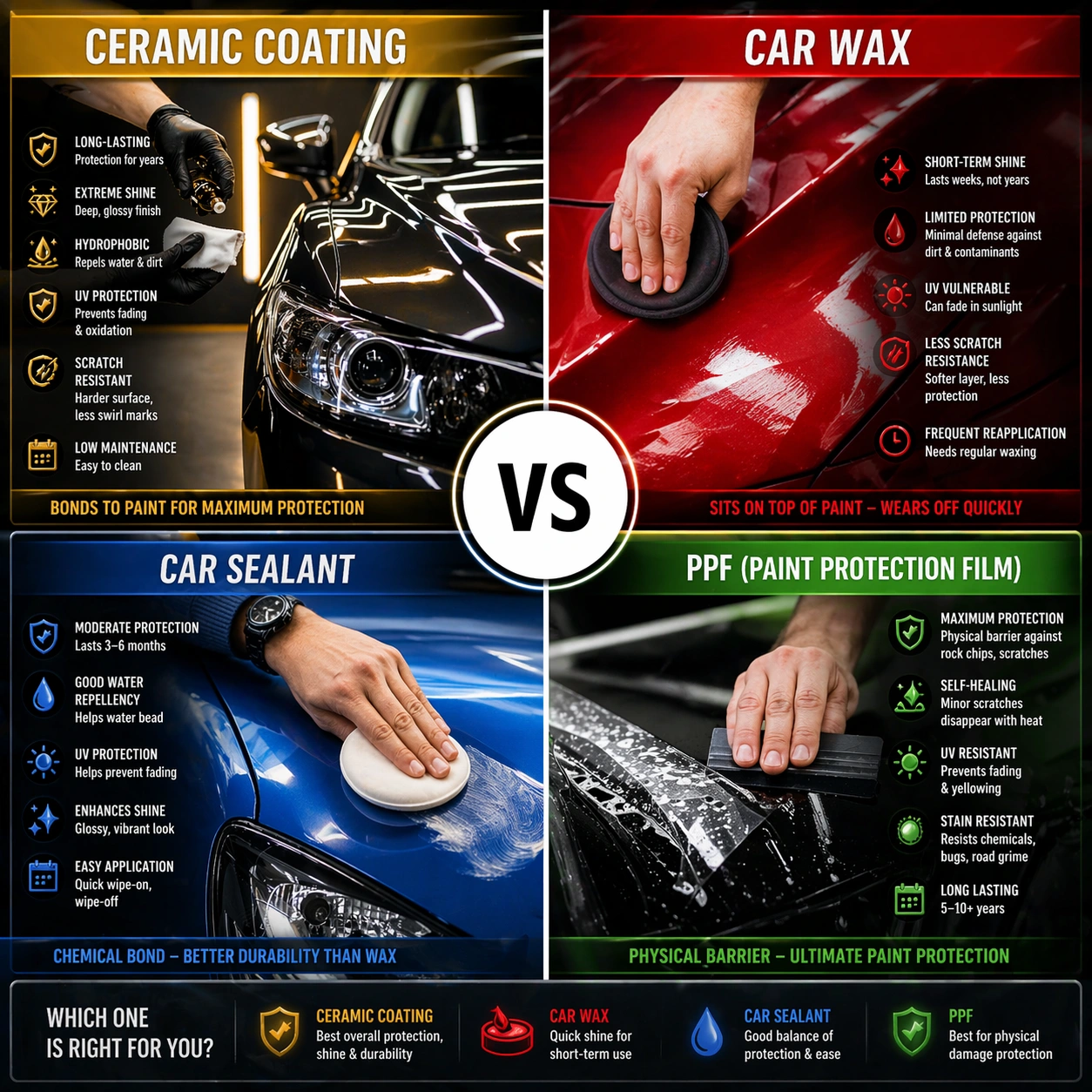
Wax gives temporary shine and basic protection, but it does not last long. Ceramic coating offers better durability, better hydrophobic performance, and stronger long-term resistance against environmental contamination.
If you want a detailed comparison, read Is Ceramic Coating Better Than Wax?
2. Ceramic coating is not scratch-proof
This is one of the biggest myths. Ceramic coating can reduce minor swirl marks caused during washing, but it does not make your car scratch-proof. If your main concern is stone chips, deep scratches, or impact protection, then PPF is a better option.
3. Paint preparation matters more than most people think
Even the best ceramic coating will not give great results if the paint surface is not cleaned, corrected, and prepared properly before application. If swirl marks, oxidation, dullness, or defects are already present, coating will not hide them. In fact, it can lock them in.
4. Professional application gives better results
DIY kits are available, but professional ceramic coating ensures better durability, finish quality, and proper bonding. This is why choosing an experienced detailing studio matters.
5. Ceramic coating still needs maintenance
Coating makes washing easier, but it does not eliminate maintenance. Your car still needs proper washing, safe drying, and coating-friendly products to keep the finish healthy.
For aftercare, read Ceramic Coating Maintenance Tips.
6. Price can vary a lot
The ceramic coating cost in India depends on vehicle size, paint condition, coating quality, number of layers, warranty, and the expertise of the detailing studio.
7. Warranty is important
Not all coatings come with the same warranty period. Some packages focus on basic short-term protection, while premium packages offer multi-year durability. Before spending, always ask what the warranty actually covers — gloss, hydrophobicity, coating life, or just limited conditions.
8. Ceramic coating improves gloss significantly
One of the biggest visible benefits of ceramic coating is the enhanced shine and depth it adds to the paint. A well-coated vehicle often looks richer, glossier, and more premium.
9. It helps with water repellency
Ceramic coating creates hydrophobic behavior, which means water beads up and rolls off the surface more easily. This helps reduce water spotting to an extent and makes routine washing easier.
10. It protects against daily contaminants
Ceramic coating helps resist:
- UV rays
- Bird droppings
- Tree sap
- Dust and pollution
- Light chemical contamination
- Road grime
It does not make the vehicle damage-proof, but it does improve daily surface defense.
11. It is ideal for new cars
Ceramic coating works especially well on new cars because the paint is usually in fresher condition. This allows the coating to lock in a cleaner, glossier, and more refined finish from the beginning.
12. Older cars can also benefit
If your vehicle is older, ceramic coating can still be a smart investment — but paint correction may be needed first. A good detailing studio will inspect the paint and recommend the right preparation process.
13. Ceramic coating and PPF are not competitors in every case
Many owners think they must choose one only. In reality, some of the best vehicle protection setups combine both.
- Ceramic coating = gloss, water repellency, easier maintenance
- PPF = impact resistance, chip protection, stronger physical defense
For a full comparison, read Ceramic Coating vs PPF.
14. Ceramic coating over PPF can be a smart option
If you already have PPF or are planning to install it, ceramic coating over PPF can improve slickness, maintenance ease, and overall finish.
To understand this better, read Can You Apply Ceramic Coating Over Paint Protection Film?
15. The studio you choose matters a lot
The same coating can perform very differently depending on how it is applied. A trusted, experienced, and professional detailing studio can make a huge difference in: finish quality, paint correction, coating durability, warranty support, and final customer satisfaction. That is why choosing the right brand is just as important as choosing the right coating.
What Ceramic Coating Does NOT Do
Before investing in ceramic coating, it's important to understand its limitations:
- Not scratch-proof: It cannot prevent deep scratches or stone chips.
- Not permanent: It lasts for a limited period (1–5 years), not forever.
- Not a damage repair solution: It cannot fix existing scratches or paint defects.
- Not maintenance-free: Regular washing and care are still required.
👉 Understanding these limits helps set realistic expectations and better results.
Benefits of Ceramic Coating
Ceramic coating offers multiple practical and visual benefits for vehicle owners.
Long-lasting shine
One of the most noticeable advantages is the glossy, deep finish it adds to the paint.
Better protection against daily damage
It helps reduce the impact of sun exposure, light contamination, and external dirt buildup.
Easier washing
Because the surface becomes slicker and more hydrophobic, cleaning the car becomes easier.
Better paint preservation
Ceramic coating helps maintain the appearance of the car for a longer period, especially when combined with proper maintenance.
Improved resale appeal
A well-maintained coated vehicle usually looks more attractive than an unprotected one, which can support resale appeal.
What Does Ceramic Coating Protect Against?
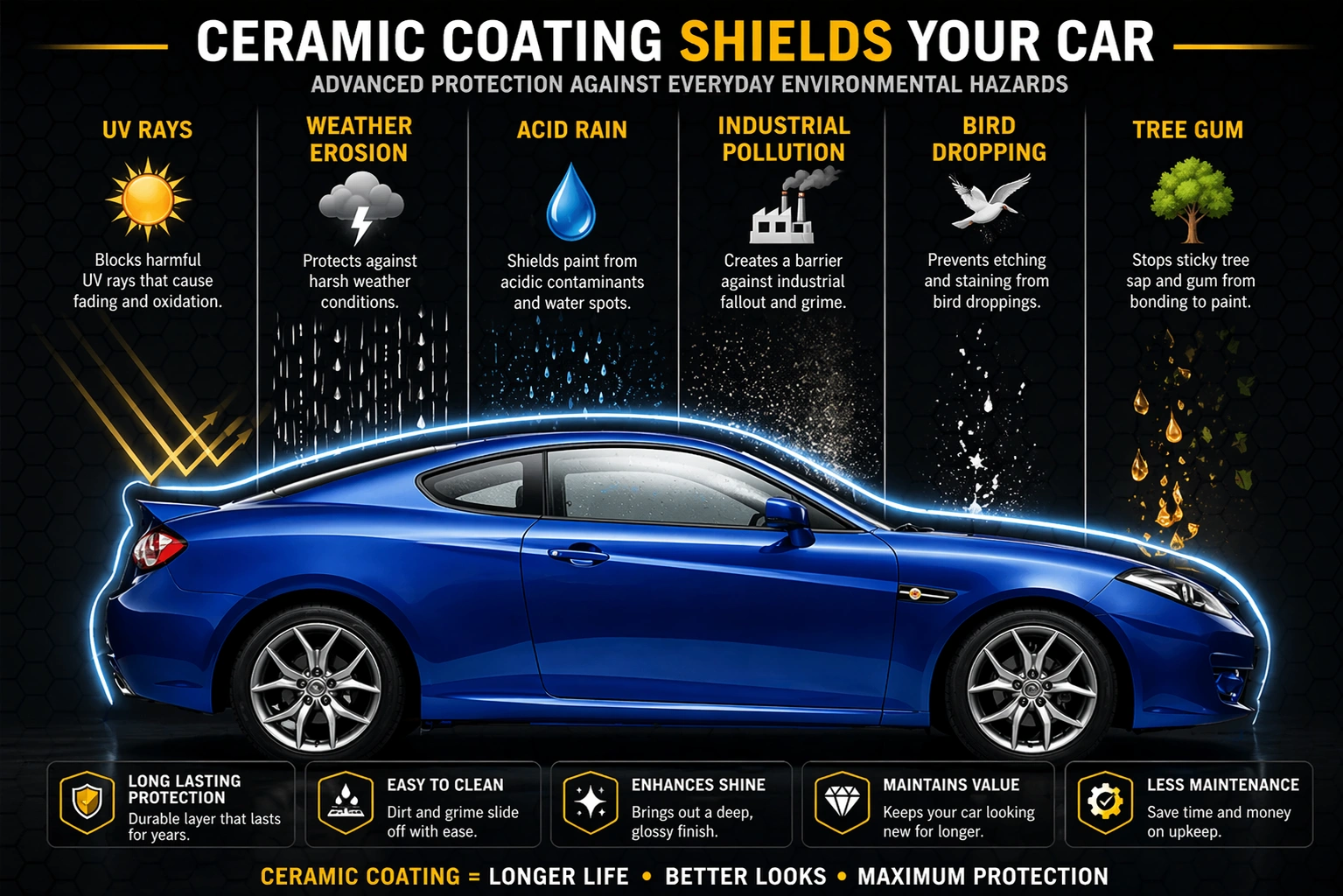
Ceramic coating helps protect your vehicle from common environmental damage, such as:
- UV rays (reduces fading and oxidation)
- Acid rain (prevents chemical stains)
- Bird droppings (protects from acidic damage)
- Road grime (reduces dirt buildup)
- Pollution (limits surface contamination)
👉 This protection helps maintain your car's shine and paint quality for a longer time.
How to Choose the Right Ceramic Coating Package
Choosing the right ceramic coating package depends on a few key factors:
- Budget vs Quality: Higher cost usually means better durability and protection.
- Warranty: Check how many years the coating is covered and what it includes.
- Usage: Daily-use cars need stronger protection than occasional vehicles.
- Car Type: New cars benefit more, while older cars may need paint correction first.
👉 The right choice depends on your usage, expectations, and long-term goals.
Is Ceramic Coating Better Than Wax?
Yes, ceramic coating is better than wax because it lasts longer, provides better protection, and requires less maintenance.
Wax is useful for short-term shine and low-cost maintenance, but it wears off much faster. Ceramic coating lasts longer, performs better in harsh conditions, and gives better long-term surface behavior.
If your goal is premium gloss, long-lasting finish, and easier maintenance, ceramic coating is a stronger option.
| Feature | Wax | Ceramic Coating (Better Option) |
|---|---|---|
| Durability | 2—4 Weeks | 1—5 Years |
| Protection | Low | Medium |
| Gloss | Good | Excellent |
| Water Repellency | Basic | Strong |
| Cost | Low | Medium |
| Maintenance | Frequent Reapplication | Low Maintenance |
Overall, ceramic coating is a better long-term investment compared to wax for car protection.
For a full comparison, Read detailed guide on ceramic coating vs wax
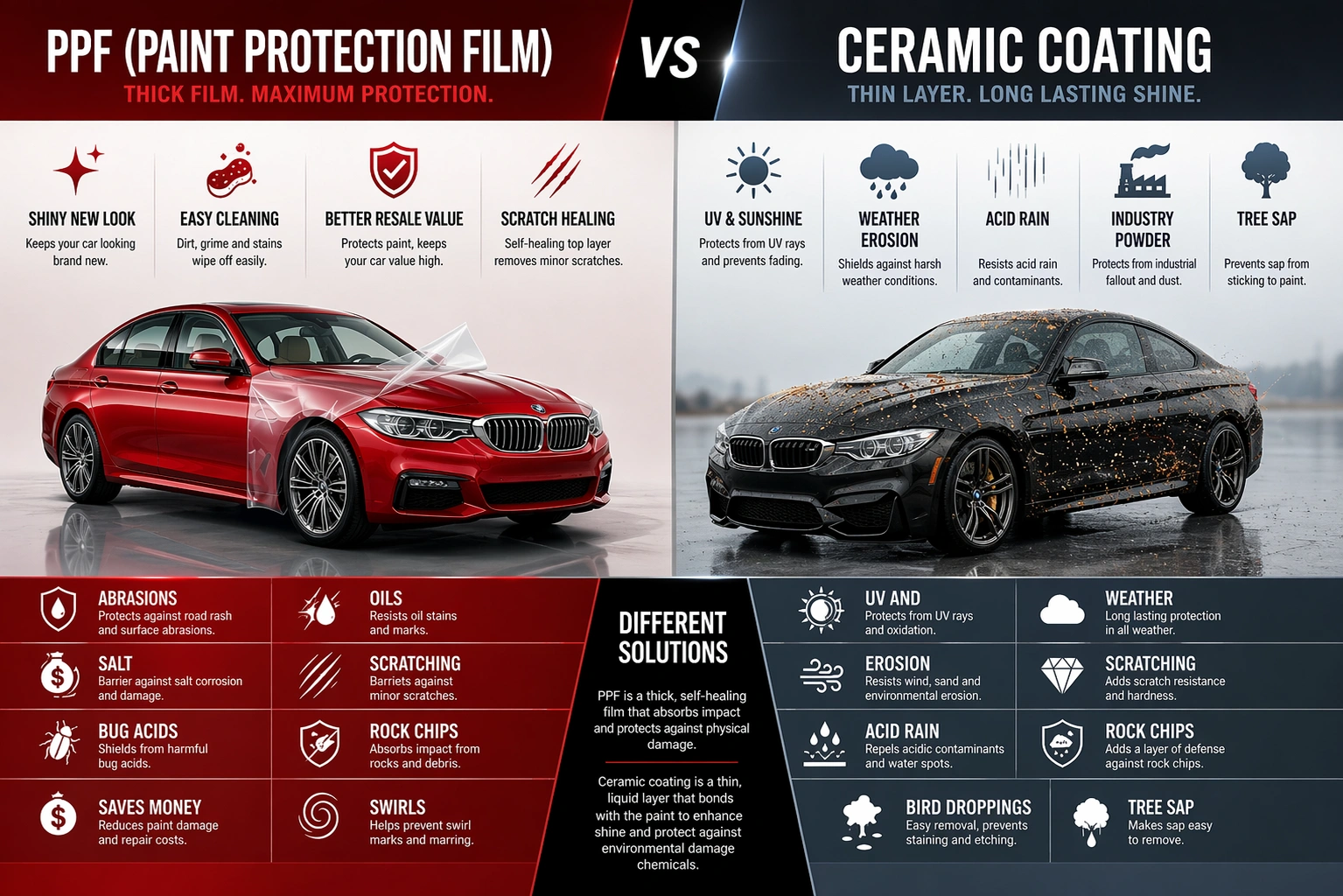
Ceramic Coating vs PPF: Which Is Better?
| Feature | Ceramic Coating | PPF |
|---|---|---|
| Protection | Surface level | Impact protection |
| Scratch Resistance | Low | High |
| Gloss | High | Medium |
| Price | ₹15K—₹70K | ₹80K—₹2L |
Simple Rule:
- Want shine → Choose Ceramic Coating
- Want protection → Choose PPF
- Want best → Combine both
To compare both properly, read Ceramic Coating vs PPF.
🔥 Can You Combine Ceramic Coating and PPF?
Yes, you can combine ceramic coating and PPF for maximum protection.
- Front PPF + Full Ceramic Coating: Apply PPF on high-impact areas like the front bumper, bonnet, and side mirrors, and ceramic coating on the rest of the car.
- Best Combo Protection: PPF protects against scratches and stone chips, while ceramic coating adds gloss, water repellency, and easier maintenance.
👉 This combination is ideal for premium car owners who want both protection and long-lasting shine.
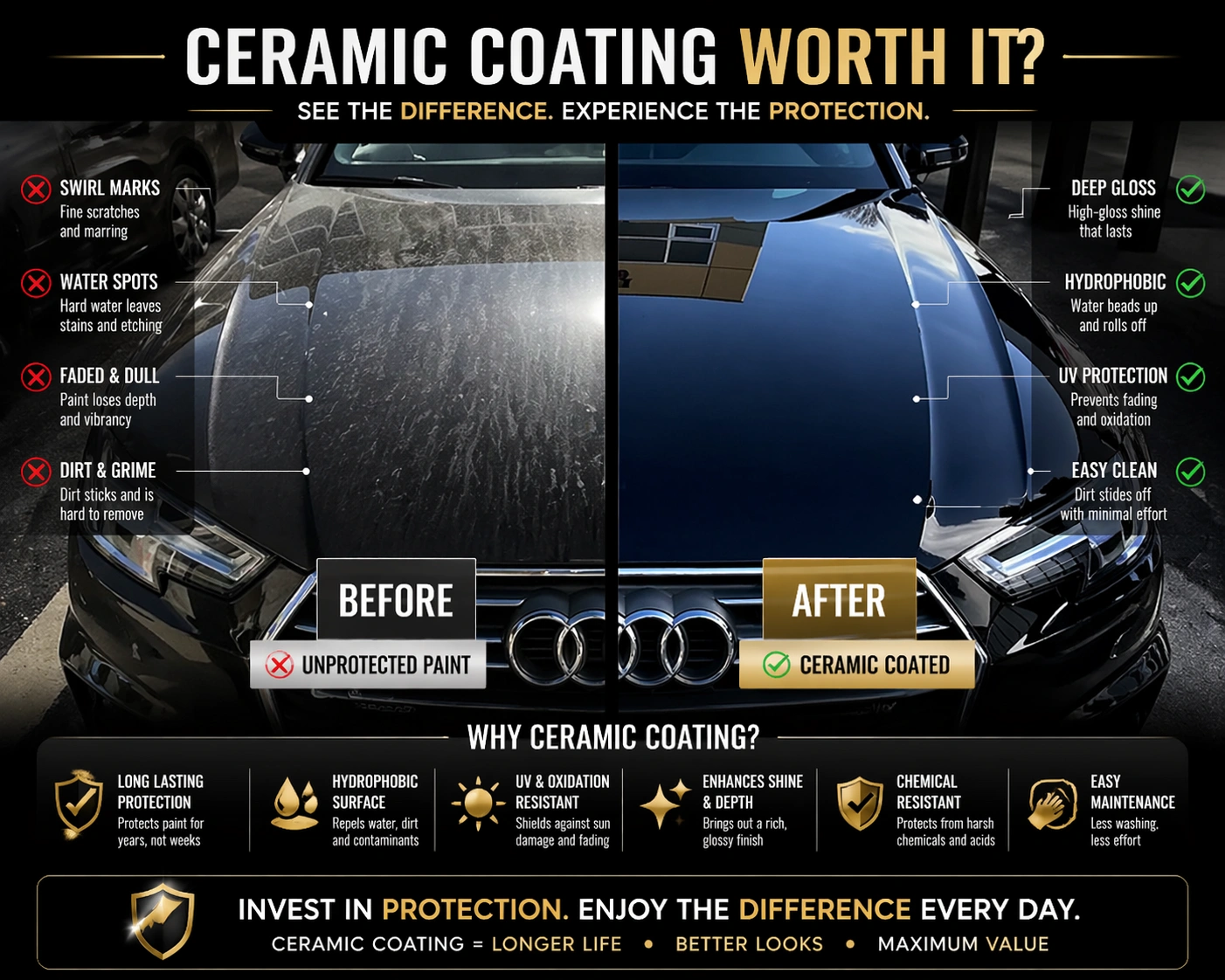
Does Ceramic Coating Prevent Scratches?
No, ceramic coating does not make your car fully scratch-proof.
It can help reduce very minor swirl marks caused by poor washing to some extent, but it cannot stop:
- deep scratches
- stone chips
- dents
- major impact damage
If scratch resistance is your top concern, then PPF is the better protection option.
How to Apply Ceramic Coating (Basic Guide)
Applying ceramic coating requires proper preparation and technique. Here's a simple overview:
- Wash: Thoroughly clean the car using a pH-neutral shampoo.
- Prep: Decontaminate and inspect the paint surface (remove dirt, tar, and swirl marks).
- Apply: Apply the coating in small sections using an applicator pad.
- Cure: Allow the coating to cure as per instructions and avoid water exposure.
👉 For best results, professional application is recommended.
Is Ceramic Coating Worth It?
Ceramic coating is worth it for car owners who want long-term shine, easier maintenance, and protection from daily contaminants, but it is not suitable for heavy scratch protection.
Who Should Get Ceramic Coating?
Ceramic coating is a great option for:
- New car owners: To protect fresh paint and maintain long-term shine
- Luxury car owners: For premium finish and better paint preservation
- Daily drivers: To reduce maintenance and protect against daily wear
👉 It is ideal for anyone who wants long-term protection, better gloss, and easier car maintenance.
Ceramic coating is worth it if:
- you want long-term gloss
- you want easier maintenance
- you want protection from daily contaminants
- you want to preserve your car's paint better
Ceramic coating may not be enough if:
- you want complete scratch-proof protection
- your main concern is highway stone chips
- you are expecting zero maintenance forever
In short, ceramic coating is a smart investment for the right user and the right use case.
Why Choose a Professional Detailing Studio?
Ceramic coating is not just a product — it is a process. That process includes:
- paint inspection
- decontamination
- polishing or correction if needed
- careful application
- curing
- aftercare guidance
If any of these steps are done poorly, the final result suffers.
That is why getting ceramic coating done from a professional studio is always better than choosing a cheap unverified service.
At Detailing Devils, ceramic coating is approached as a professional paint protection service, with a strong focus on preparation, product quality, finish, and customer guidance.
If you are planning to get ceramic coating, it's important to understand what you're investing in. At Detailing Devils, we have applied ceramic coating on thousands of cars, bikes, and luxury vehicles across India. Based on real-world experience and customer results, this guide explains what actually works and what doesn't.
👉 To explore professional services, check out our Ceramic Coating Service.
Ceramic Coating Near You
If you are looking for ceramic coating in Delhi, Noida, Gurgaon, Jaipur, Indore, or Kanpur, choose a professional detailing studio that offers proper paint preparation, genuine products, and warranty-backed services.
Why Many Car Owners Choose Detailing Devils
Choosing the right detailing brand matters because coating quality depends heavily on process and execution.
Many vehicle owners trust Detailing Devils because of:
- professional detailing experience
- advanced ceramic coating solutions
- trained technicians
- warranty-backed options
- focus on paint protection
- availability across multiple locations
For owners who need stronger paint protection, Detailing Devils also offers advanced PPF solutions, making it easier to choose the right protection setup based on real vehicle usage.
Ceramic Coating Maintenance Tips
Once the coating is applied, follow these basic maintenance practices:
- Use pH-neutral shampoo
- Avoid harsh chemicals
- Wash the vehicle regularly
- Remove bird droppings quickly
- Use clean microfiber towels
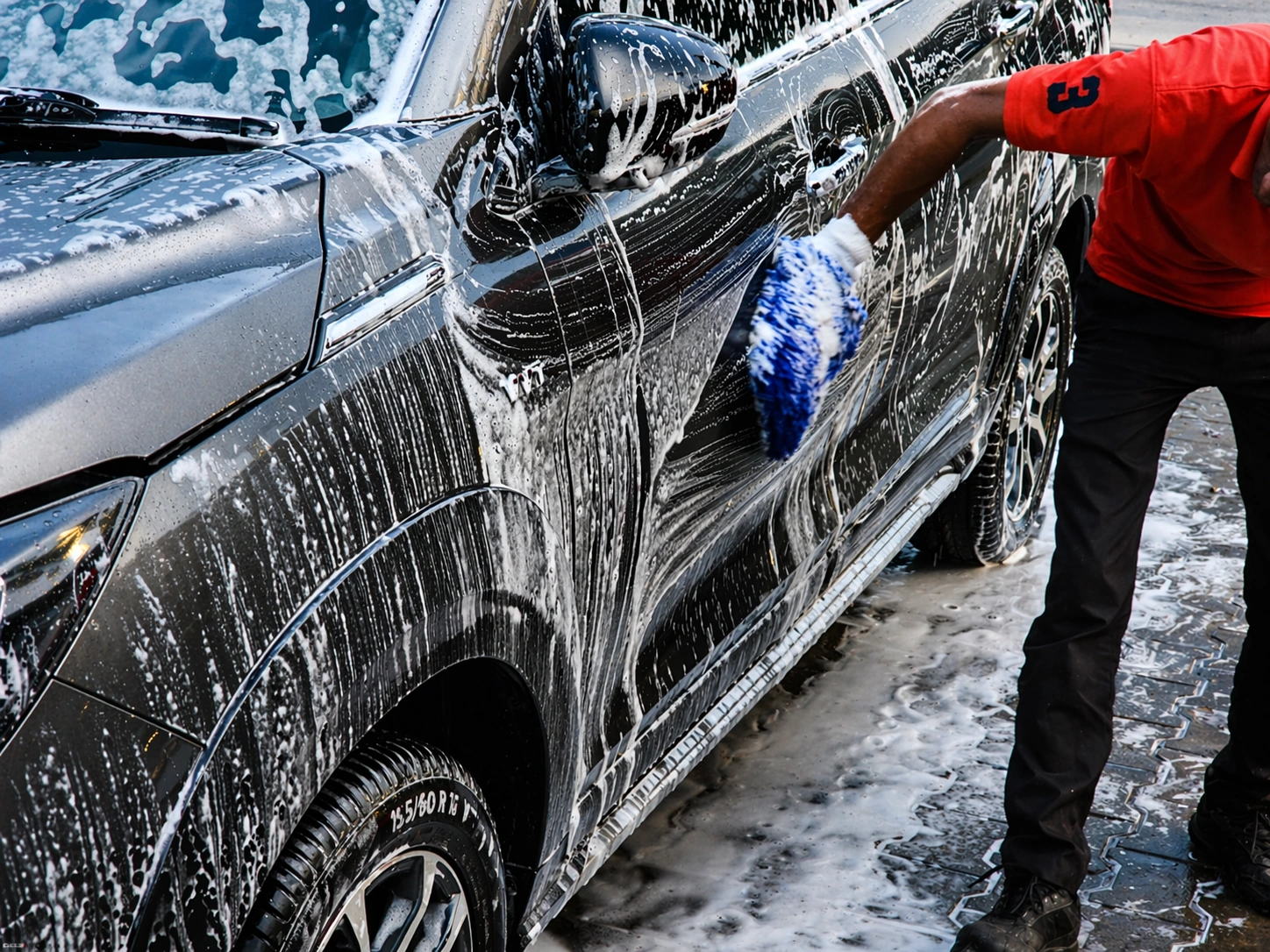
- Avoid careless washing methods
For full aftercare guidance, read Ceramic Coating Maintenance Tips.
Common Myths About Ceramic Coating
Myth 1: Ceramic coating is fully scratch-proof
No, it only gives minor resistance, not total scratch protection.
Myth 2: Ceramic coating means no more washing
Wrong. It still requires proper maintenance.
Myth 3: Ceramic coating and PPF are the same
No. Both are different protection systems with different purposes.
Myth 4: Any studio can apply coating well
Not true. Application quality depends on skill, preparation, and experience.
Final Verdict
Ceramic coating is one of the best ways to improve your vehicle's gloss, maintain a cleaner finish, and protect paint from daily environmental exposure. But before you spend on it, you must understand that it is not scratch-proof, not maintenance-free, and not the same as PPF.
If your goal is long-term shine, easier washing, and better paint preservation, ceramic coating is definitely worth considering. If your goal is stronger physical protection, then PPF may be the better route. And if you want the best of both worlds, a combination of both can be ideal.
🚗 Get a Free Inspection & Ceramic Coating Quote
Not sure which coating is right for your car? Visit your nearest Detailing Devils studio for a free inspection and expert recommendation based on your vehicle condition, usage, and budget.
Book Ceramic Coating Service
Visit your nearest Detailing Devils studio for a free inspection and expert recommendation based on your vehicle condition.
FAQ
Usually 1 to 5 years, depending on coating quality, application, and maintenance.
No. It only provides minor surface resistance, not full scratch-proof protection.
Yes. Ceramic coating lasts longer and provides better long-term protection than wax.
PPF is better for physical protection. Ceramic coating is better for gloss and maintenance ease. Both serve different purposes.
If you want professional application, paint preparation, and warranty-backed service, Detailing Devils is a strong option for ceramic coating and paint protection.
More Info
🔗 See Also: Ceramic Coating Guides
If you want to explore more about ceramic coating, price, comparison, and maintenance, check these guides:
- Ceramic Coating vs PPF (Complete Comparison)
- Is Ceramic Coating Better Than Wax?
- Ceramic Coating Maintenance Tips
- Pros and Cons of Ceramic Coating for Cars
- Teflon vs Ceramic Coating (Full Comparison)
- Graphene vs Ceramic Coating
- Can You Apply Ceramic Coating Over PPF?
- Ceramic Coating Service Explained

