




LED vs HID Headlights - Which Is Better For Your Car?
When it comes to driving at night or in adverse weather conditions, your car's headlights are your primary line of defense. They are not just a functional necessity; they are a critical safety feature that ensures you can see the road ahead and that other drivers can see you. For decades, halogen bulbs were the undisputed kings of automotive lighting. However, as technology has rapidly advanced, two new contenders have taken the spotlight: High-Intensity Discharge (HID) and Light Emitting Diode (LED) headlights.
If you are looking to upgrade your vehicle's lighting system, you have likely found yourself caught in the middle of the "LED vs HID" debate.
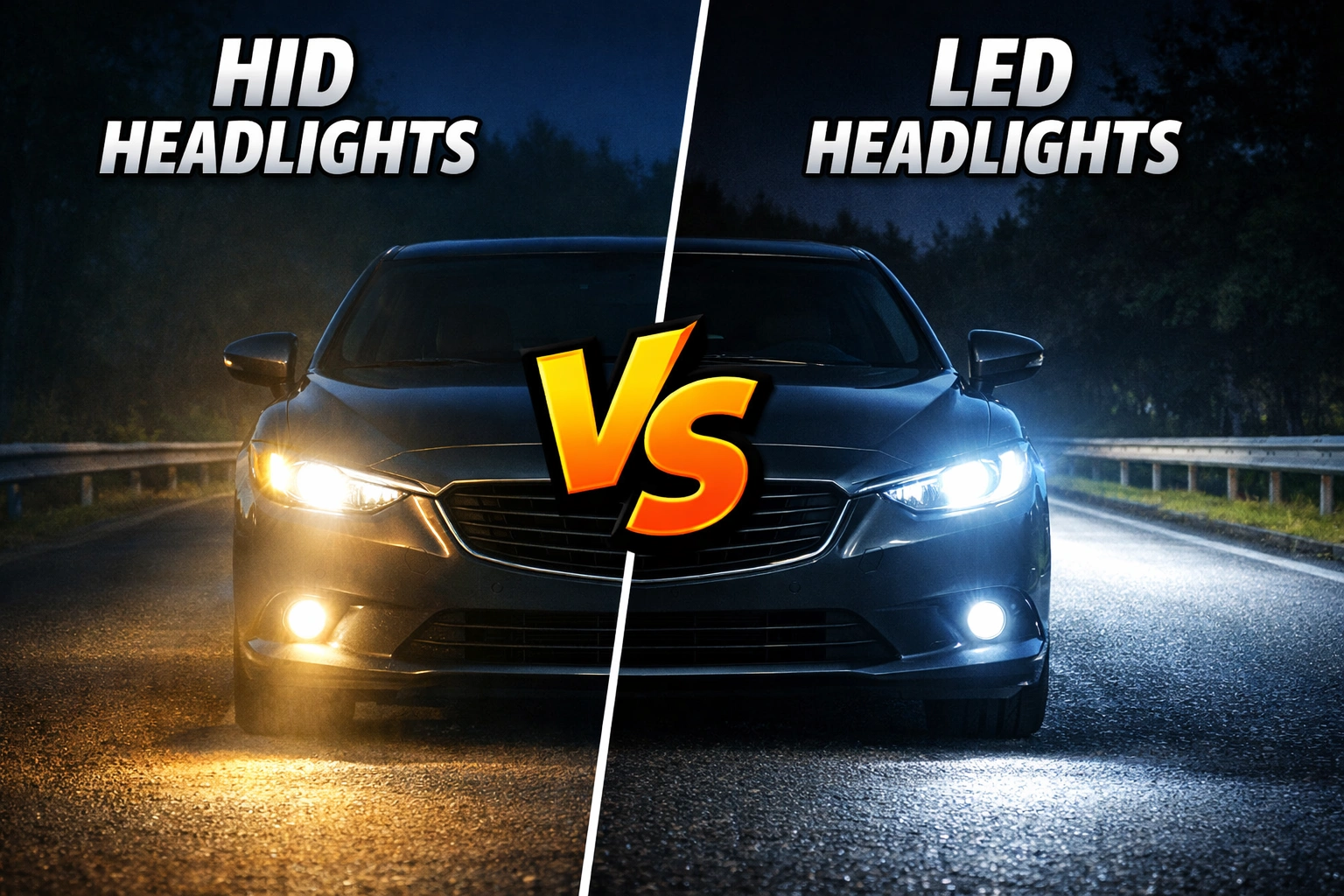
Both technologies offer massive improvements over traditional halogen bulbs, providing brighter, whiter, and more efficient illumination. But which one is truly the best fit for your specific vehicle and driving needs?
In this comprehensive guide, we will dive deep into the science behind both LED and HID headlights. We will explore their pros, cons, key differences, and help you make an informed decision on which technology reigns supreme.
1. Understanding High-Intensity Discharge (HID) Headlights
What Are HID Headlights?
High-Intensity Discharge (HID) headlights, often referred to as Xenon headlights, were introduced to the automotive market in the early 1990s, initially exclusively on luxury vehicles. Unlike traditional halogen bulbs that rely on a heated tungsten filament to produce light, HID headlights operate more like neon signs.
They consist of an enclosed quartz tube filled with a mixture of gases—primarily xenon gas—and metal salts. At either end of this tube are electrodes. When a high-voltage electrical current is passed between these electrodes, it ignites the xenon gas, creating an incredibly bright, intense arc of light.
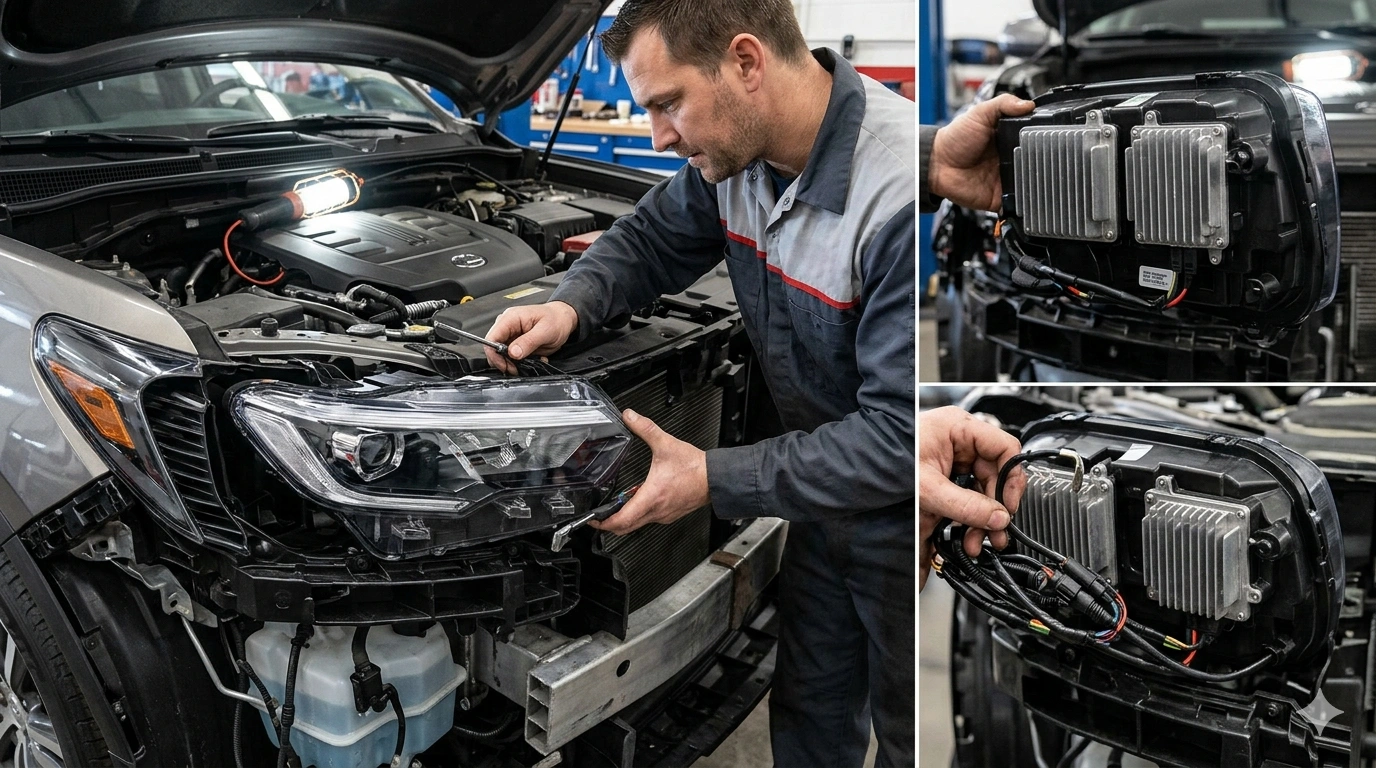
Because igniting this gas requires a substantial surge of electricity (often up to 25,000 volts), HID systems require an external component called a "ballast." The ballast acts as a power regulator; it delivers the massive initial jolt of electricity needed to start the arc and then scales down the power to maintain a steady, continuous glow.
The Pros of HID Headlights
- Unmatched Brightness: HID headlights are renowned for their sheer luminous output. They are significantly brighter than halogen bulbs and, in some specific setups, can cast light further down the road than early-generation LEDs. This makes them exceptionally popular for drivers who frequently navigate dark, rural, or unlit roads.
- Broad Illumination: The nature of the gas-discharge arc produces a very wide beam pattern. This wide spread is excellent for illuminating the shoulders of the road, helping drivers spot potential hazards like crossing animals or debris much sooner.
- Distinctive Aesthetic: HIDs are famous for their crisp, icy-white, and sometimes slightly blue or purplish tint. This distinct color temperature (usually between 4300K and 6000K) gives vehicles a premium, high-end look.
The Cons of HID Headlights
- Warm-Up Time: Unlike halogens or LEDs that turn on instantly, HID bulbs require a short "warm-up" period (usually a few seconds) to reach their maximum brightness.
- Complexity and Fragility: Because they rely on high voltage, delicate glass tubes, and external ballasts, there are more components that can potentially fail.
- Glare Potential: If HID bulbs are placed in headlight housings designed for halogens (reflector housings) rather than projector housings, they can scatter light unpredictably, causing blinding glare for oncoming drivers.
- Lifespan: While they last longer than halogens (typically around 2,000 to 5,000 hours), they fall short when compared to the lifespan of modern LED lights. Over time, HID bulbs also experience "color shifting," where the light becomes bluer or pinker as the bulb ages.
2. Understanding Light Emitting Diode (LED) Headlights
What Are LED Headlights?
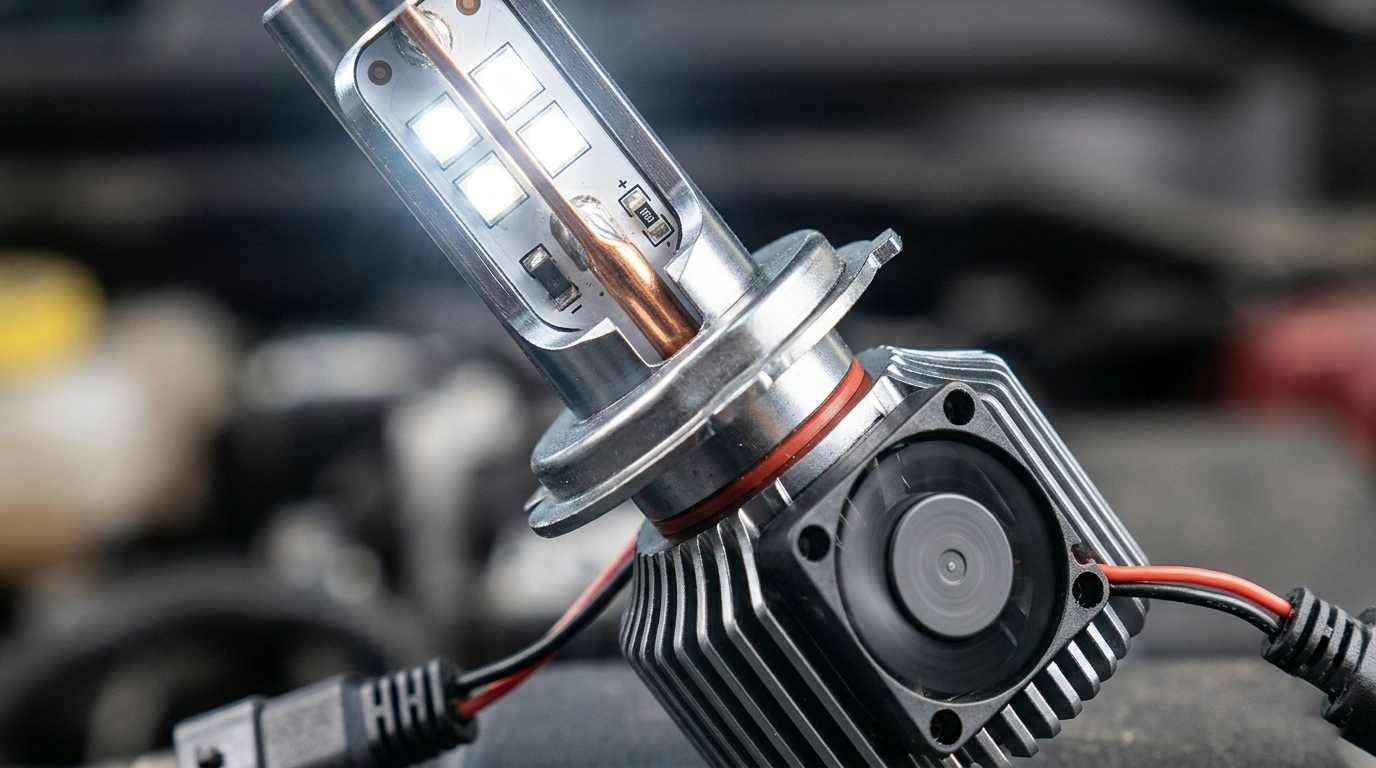
Light Emitting Diodes (LEDs) represent the latest and greatest in automotive lighting technology. Unlike halogens (which use heated filaments) or HIDs (which use glowing gas), LEDs are solid-state semiconductors. When an electrical current passes through the semiconductor material, it releases photons (light) through a process called electroluminescence.
Because they do not rely on burning filaments or combusting gases, LEDs are incredibly small, efficient, and versatile. In automotive applications, multiple small LED chips are often grouped together on a circuit board to create a powerful beam of light. They also require a cooling mechanism—usually a heat sink or a small built-in fan—because while the light beam itself is cool, the electrical components at the base of the diode can generate significant heat.
The Pros of LED Headlights
- Instant On: LEDs reach full brightness the microsecond you flip the switch. There is zero warm-up time, making them ideal for high-beam applications where instant visibility is crucial.
- Extreme Energy Efficiency: LEDs convert a vast majority of the energy they consume into light rather than heat. This means they draw significantly less power from your car's alternator and battery compared to both halogens and HIDs.
- Incredible Lifespan: This is perhaps the biggest selling point of LEDs. A high-quality LED headlight can last anywhere from 30,000 to 50,000 hours. In many cases, the LEDs will outlast the lifespan of the car itself.
- Precision and Focus: Because LEDs are directional (they emit light in specific directions rather than 360 degrees like a gas bulb), their light can be manipulated and focused with extreme precision. This results in a sharp, defined cut-off line that prevents glare from blinding oncoming traffic.
- Compact Size: The small footprint of LEDs allows car designers to create ultra-slim, aggressive, and futuristic headlight shapes that were impossible with older bulb technologies.
The Cons of LED Headlights
- Initial Cost: High-quality LED headlight kits tend to be more expensive upfront than HID or halogen replacements.
- Heat Management Issues: The chips themselves get hot at the base. If the cooling fan or heat sink fails, the LED will quickly overheat and die. This makes proper installation in a well-ventilated headlight housing critical.
- Complex Replacement: In many modern luxury cars where LEDs are factory-installed, the diodes are integrated directly into the headlight assembly. If a single diode fails, you often have to replace the entire headlight unit, which can be very costly.
3. Head-to-Head Comparison: LED vs HID
To truly answer the question of which is better, we must break down how these two heavyweights perform across several key categories.
Brightness and Visibility
Both technologies represent a massive leap over standard halogens. HIDs have traditionally held the crown for pure, raw brightness (measured in lumens). The light produced by a high-quality Xenon bulb can be incredibly piercing, piercing through darkness with ease. However, modern LEDs have virtually closed this gap. While an HID might have a slight edge in absolute distance illumination, an LED provides a much sharper, more uniform, and cleaner light output without dark spots.
Winner: Tie (Depends on preference for distance vs. uniform clarity)
Energy Efficiency
HIDs require a massive spike of energy to ignite, followed by a moderate, continuous draw. LEDs, on the other hand, operate on a fraction of the electricity from start to finish. Less strain on your electrical system can subtly improve fuel efficiency and battery life.
Winner: LED
Lifespan and Durability
An HID bulb will typically last between 2,000 and 5,000 hours. A halogen lasts barely 500 to 1,000 hours. An LED? You can expect 30,000 hours or more. Furthermore, because LEDs are solid-state and have no fragile glass tubes or delicate filaments, they are virtually immune to damage from road vibrations and heavy impacts.
Winner: LED
Color Temperature
HIDs tend to offer a wider variety of color temperatures in the aftermarket world, ranging from 3000K (yellow, great for fog) to 8000K (deep blue). LEDs generally stick to a pure, daylight white (around 5000K to 6500K). The pure white of an LED is widely considered the best for reducing eye strain during long night drives, as it closely mimics natural sunlight.
Winner: LED (for driving comfort and safety)
Installation and Upgrading
Installing an HID kit can be a bit of a chore. You have to find a secure, dry place under the hood to mount the external ballasts, and the wiring can get complicated. Upgrading to LED is often a simple "plug-and-play" affair. Most modern LED bulbs are designed to fit directly into the factory socket with no extra wiring required.
Pro Tip: Before upgrading, ensure you know what type of bulb your car takes! Check out our Complete guide to automotive headlight socket types for more info.
Winner: LED
4. The Verdict: Which Is Better For Your Car?
When weighing all the variables, LED headlights emerge as the superior overall choice for the vast majority of drivers.
Their unparalleled lifespan, instant-on capability, energy efficiency, and crisp, focused light beam make them the most practical and advanced lighting solution available today. They are easier to install, cause less strain on your vehicle's electrical system, and the pure white light drastically reduces driver fatigue.
However, HID headlights still have their place. If you live in an area with extremely long, straight, and pitch-black roads where maximum light throw distance is your absolute top priority, a high-end HID projector setup might still edge out an LED. Additionally, for older vehicles that originally came with factory HIDs, sticking with HID replacements is often the easiest and most cost-effective route.
5. Maximizing Your Headlight Performance with Detailing Devils
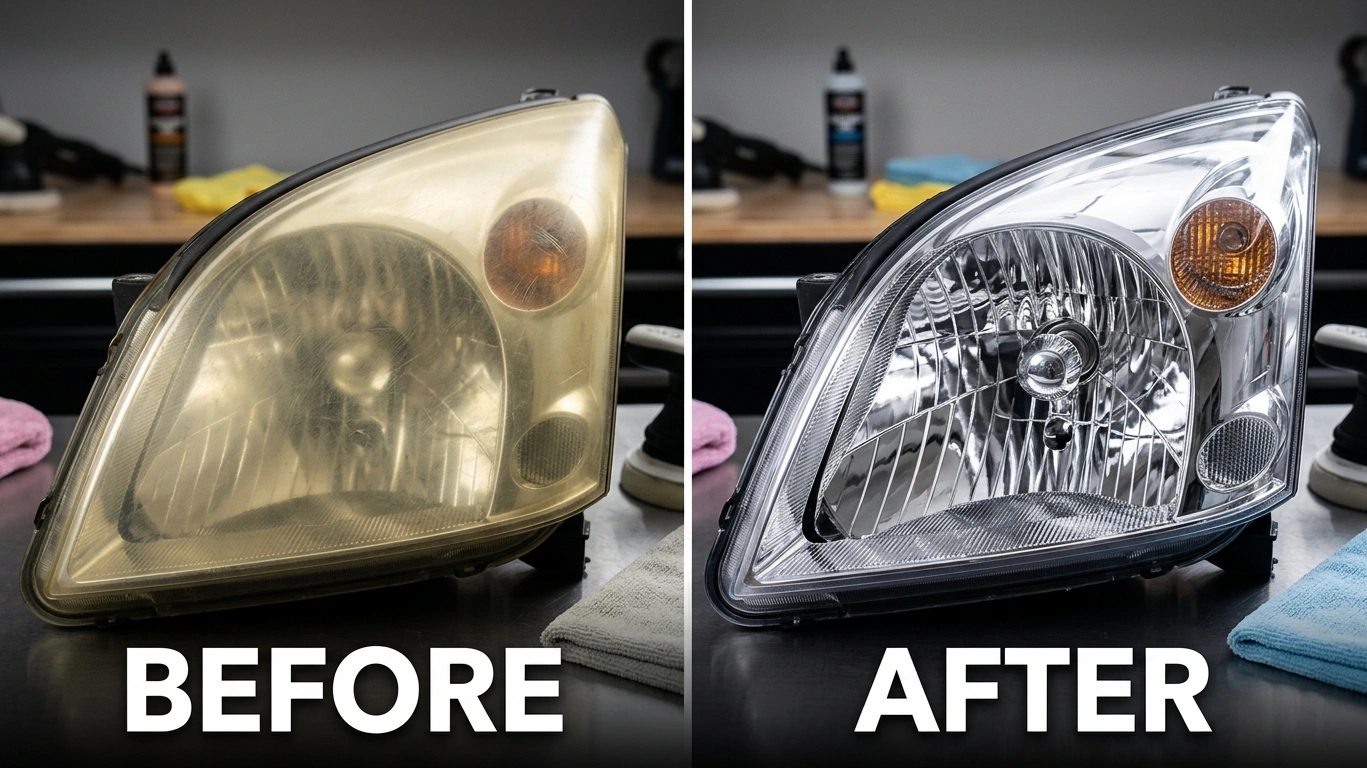
No matter if you choose the fierce intensity of HIDs or the sharp precision of LEDs, your headlights cannot perform their job if the plastic lens covering them is cloudy, yellowed, or heavily scratched. Over time, UV rays from the sun and debris from the road degrade the polycarbonate plastic of your headlight housings. A premium LED bulb means nothing if the light cannot pass clearly through the lens!
If your headlights are looking dull, we highly recommend our professional Headlight Restoration services. At Detailing Devils, we don't just temporarily mask the problem. We use specialized sanding, compounding, and polishing techniques to strip away years of heavy oxidation and restore the factory-clear transparency of your headlights.
Once the clarity is restored, the work isn't fully finished. Without protection, those freshly restored headlights will quickly yellow again. That is where our industry-leading Headlight Armor comes into play. By applying this highly advanced nano-ceramic protective layer, we seal the porous plastic, providing long-lasting resistance against UV damage, acid rain, and road grime.
Proper Maintenance for Lasting Brilliance
Investing in a high-quality LED or HID car headlight upgrade is only half the battle. To ensure they continue to guide you safely through the night, you must practice proper maintenance. Wondering how to keep them pristine between professional detailing sessions? Be sure to read our detailed guide on how to clean your car headlights like a pro for step-by-step instructions.
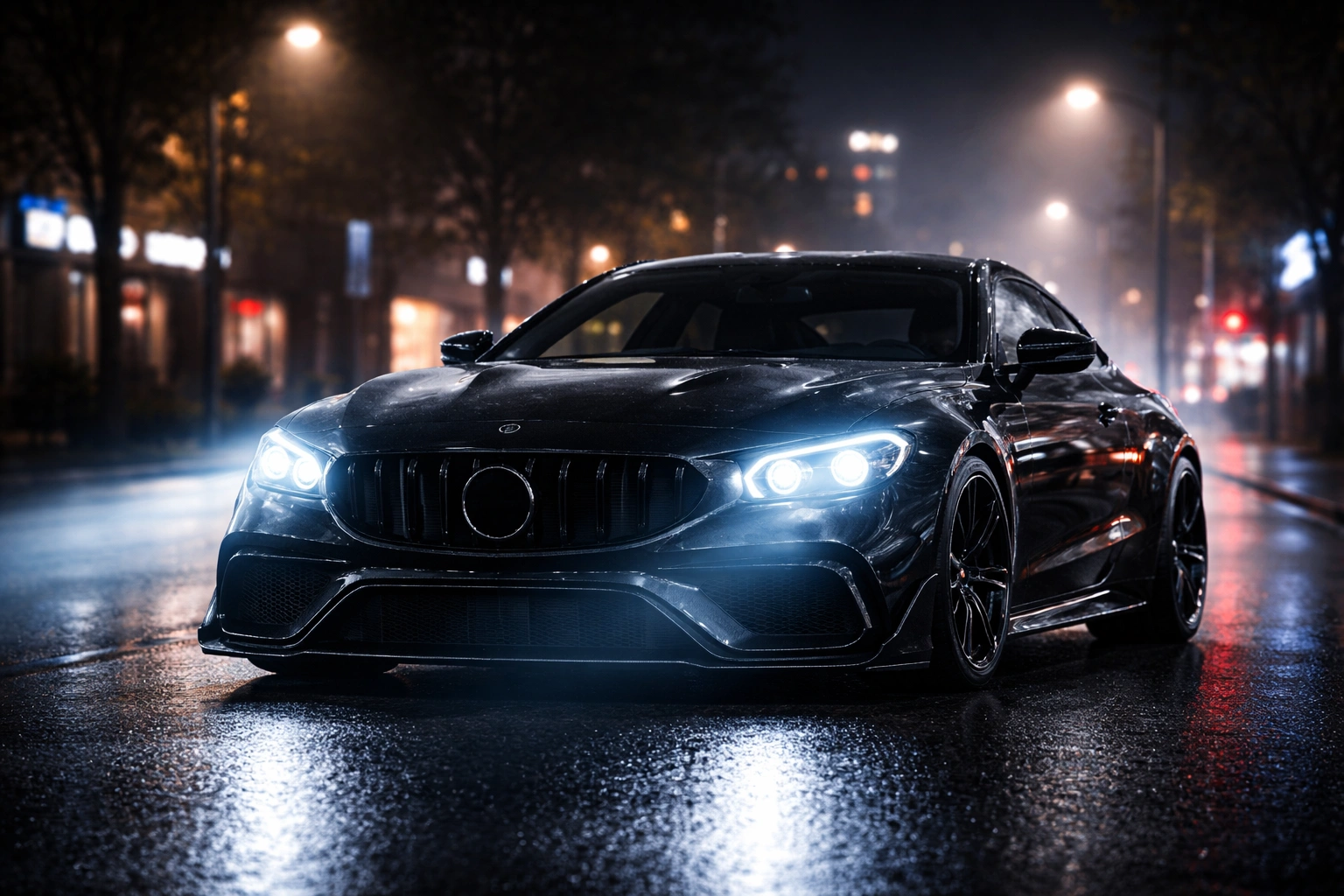
Legal Considerations for Upgrades
It is crucial to note that headlight laws vary significantly depending on your country or state. While upgrading from halogen to LED or HID can drastically improve visibility, improperly aligned headlights or bulbs placed in the wrong housings can blind oncoming traffic and result in hefty fines. Always ensure that your car headlight upgrade complies with local transportation laws and that your beams are properly aimed by a professional.
Ready for an Upgrade?
Whether you need a thorough headlight restoration, advanced ceramic protection, or you are looking to revitalize your entire vehicle with our premium exterior detailing services, Detailing Devils is your ultimate partner in automotive care. Don't let poor lighting compromise your safety or your car's aesthetic appeal. Find your nearest premium car care studio today by visiting our Locate a Store page and let our experts illuminate your path forward.
FAQ
Both technologies are significantly brighter than halogens. HIDs traditionally have a slight edge in raw luminous output and distance throw, while modern LEDs offer sharper, more uniform beam patterns with no dark spots. For most drivers, LEDs provide better overall visibility.
Yes, LED headlights typically last 30,000 to 50,000 hours compared to HIDs which last 2,000 to 5,000 hours. LEDs are solid-state with no fragile filaments or glass tubes, making them virtually immune to road vibrations and much more durable in the long run.
Yes, in most cases. LED bulbs are often plug-and-play, designed to fit directly into factory sockets. However, ensure the LEDs are compatible with your vehicle's headlight housing (reflector or projector) and local regulations. Improperly installed LEDs can cause glare for oncoming drivers.
Over time, UV rays from the sun and road debris degrade the polycarbonate plastic of headlight housings, causing oxidation and yellowing. Professional headlight restoration and protective ceramic coatings like Headlight Armor can restore clarity and prevent future damage.
LED headlights are legal in India as long as they are properly aligned, do not cause glare to oncoming traffic, and comply with local transportation laws. Many modern cars come with factory-fitted LEDs. Always ensure aftermarket upgrades meet legal requirements and are professionally installed.
Related Blogs:
- Best Car Cleaning Service in Noida - Find the best car cleaning services in Noida and keep your car looking new.
- Car Detailing Products - Discover the best products for car detailing and how to use them to achieve a professional shine.
- Detailing Services for Different Cars - Learn about the different types of detailing services available for different types of cars and which one is best for you.
- Car Detailing for Different Seasons - Find out how to prepare your car for different seasons with the right detailing methods and products.
- How to clean your car's interior - Learn the 8 best techniques and products for cleaning the interior of your car, including the seats, dashboard, and carpets.

