




New Car Care Tips: Complete Maintenance Guide for 2026
There's nothing quite like the excitement of bringing home a brand-new car. The fresh interior, flawless paint, smooth engine performance, and that unmistakable "new car smell" make every drive feel special. Whether you've purchased your first hatchback, upgraded to a premium sedan, or invested in a family SUV, one thing remains the same—how well you care for your new car during its early years will determine how it performs for years to come.
Many new car owners believe that because the vehicle is factory-fresh, it doesn't require much attention beyond scheduled servicing. In reality, the first few months of ownership are the most important. Simple habits like proper washing techniques, careful driving during the break-in period, regular tyre pressure checks, and timely maintenance can significantly extend the life of your vehicle while preserving its appearance and resale value.
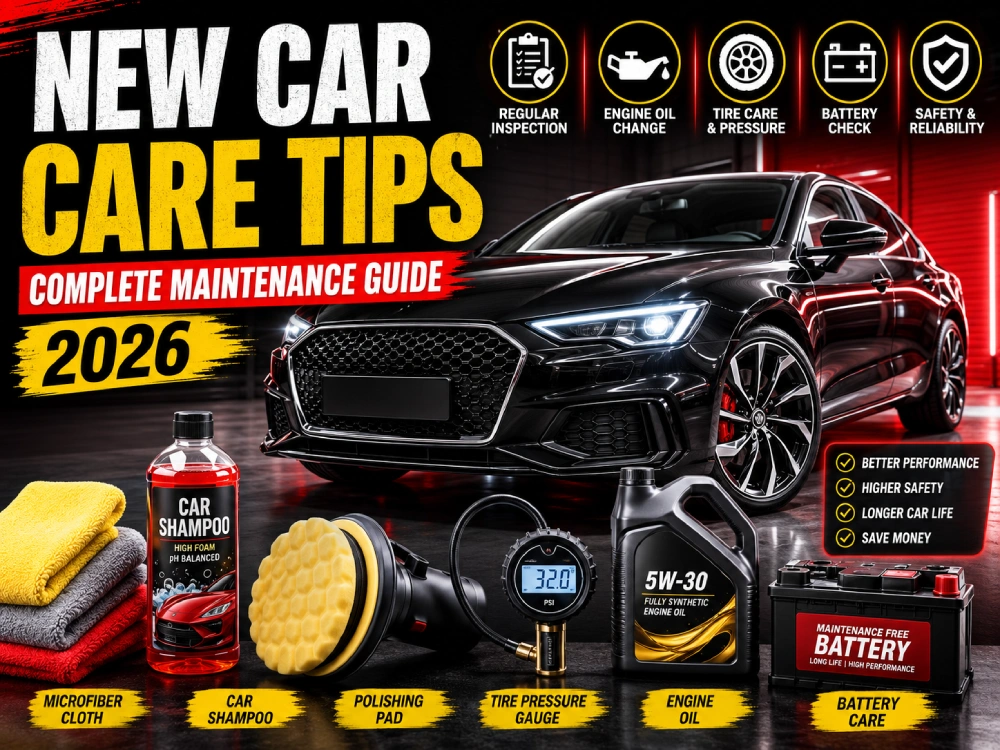
In 2026, modern vehicles are equipped with advanced electronics, fuel-efficient engines, sophisticated safety systems, and premium paint finishes. These innovations improve driving comfort but also require smarter maintenance practices than ever before. Fortunately, keeping your car in excellent condition doesn't have to be complicated. A little attention and consistency can prevent expensive repairs and keep your vehicle looking and performing like new.
In this complete guide, we'll share practical new car care tips that every owner should follow, along with real experiences from fellow drivers who learned why proper maintenance matters.
Why Proper Car Maintenance Matters From Day One
Owning a car isn't just about driving it—it's about protecting one of your biggest investments. While modern vehicles are engineered for durability, neglecting routine care can lead to premature wear, reduced fuel efficiency, faded paint, and costly repairs.
Think of your car as you would any valuable possession. Regular care doesn't simply keep it clean; it helps every component perform as intended. A well-maintained vehicle also offers a smoother driving experience, better reliability, improved safety, and a higher resale value when it's eventually time to upgrade.
Many experienced drivers agree that the habits formed during the first year of ownership often determine how well the vehicle ages over the next decade.
The First 1,000 Kilometers: Why the Break-In Period Is Important
One of the most overlooked aspects of owning a new vehicle is the engine break-in period. Although manufacturing technology has improved significantly over the years, many automotive experts still recommend driving gently during the first 1,000 to 1,500 kilometers.
During this time, various engine components gradually settle into place. Gentle driving allows these parts to wear evenly, helping the engine achieve its best long-term performance.
Rather than accelerating aggressively or maintaining very high speeds for extended periods, try varying your driving speed and avoiding sudden braking whenever possible. If you're driving on highways, occasionally adjust your speed instead of relying on constant high RPMs.
Equally important is avoiding unnecessary overloading. Carrying excessive weight during the break-in period places additional stress on the engine, suspension, and braking system before they've fully settled.
While every manufacturer provides specific recommendations in the owner's manual, developing smooth driving habits from the beginning benefits both the vehicle and the driver.
Wash Your New Car the Right Way
A sparkling clean car always looks impressive, but improper washing techniques can gradually damage the paint.
Many first-time owners unknowingly create fine scratches by using household detergents, rough cloths, or dirty sponges. Over time, these tiny scratches become visible under sunlight, reducing the gloss of your vehicle's finish.
Instead, use a pH-balanced car shampoo, a microfiber wash mitt, and the two-bucket washing method—one bucket for clean soapy water and another for rinsing dirt from the mitt before returning it to the shampoo.
Always wash your car in a shaded area whenever possible. Direct sunlight causes water and shampoo to dry quickly, often leaving stubborn water spots behind.
After washing, dry the vehicle using a clean microfiber drying towel rather than allowing it to air dry. This simple habit helps prevent mineral deposits from hard water while leaving the paint with a streak-free shine.
Protect Your Paint Before Damage Appears
Your car's paint faces constant exposure to sunlight, dust, bird droppings, tree sap, road grime, acid rain, and UV rays. While the paint may look flawless today, environmental contaminants begin affecting the surface from the very first drive.
One of the smartest decisions new car owners can make is protecting the paint before damage occurs.
Applying a quality wax, paint sealant, ceramic coating, or paint protection film creates an additional protective layer that makes cleaning easier while reducing the effects of environmental contaminants.
Ceramic coatings have become especially popular in recent years because they provide long-lasting gloss, excellent water repellency, and easier maintenance compared to traditional waxes.
Although these protective treatments require an initial investment, they often reduce the need for expensive paint correction later in the vehicle's life.
A New Owner's Experience
A new SUV owner shared this after purchasing their vehicle:
"I thought paint protection was something I could postpone. Within a few months, bird droppings had left light stains on the bonnet, and I noticed tiny swirl marks from automatic car washes. I eventually got a ceramic coating, and I wish I'd done it immediately after delivery. Washing the car became much easier, and the shine lasted much longer."
Experiences like this remind us that preventive maintenance is almost always more affordable than repairing damage later.
Keep Your Car's Interior Looking Brand New
The exterior of your vehicle often gets the most attention, but the interior is where you spend all of your time. A clean, well-maintained cabin not only makes every drive more enjoyable but also helps preserve your car's resale value.
Dust, sunlight, food crumbs, spilled drinks, and everyday use can quickly make a new interior look older than it really is. That's why developing a simple cleaning routine from the beginning is one of the easiest ways to keep your vehicle looking showroom fresh.
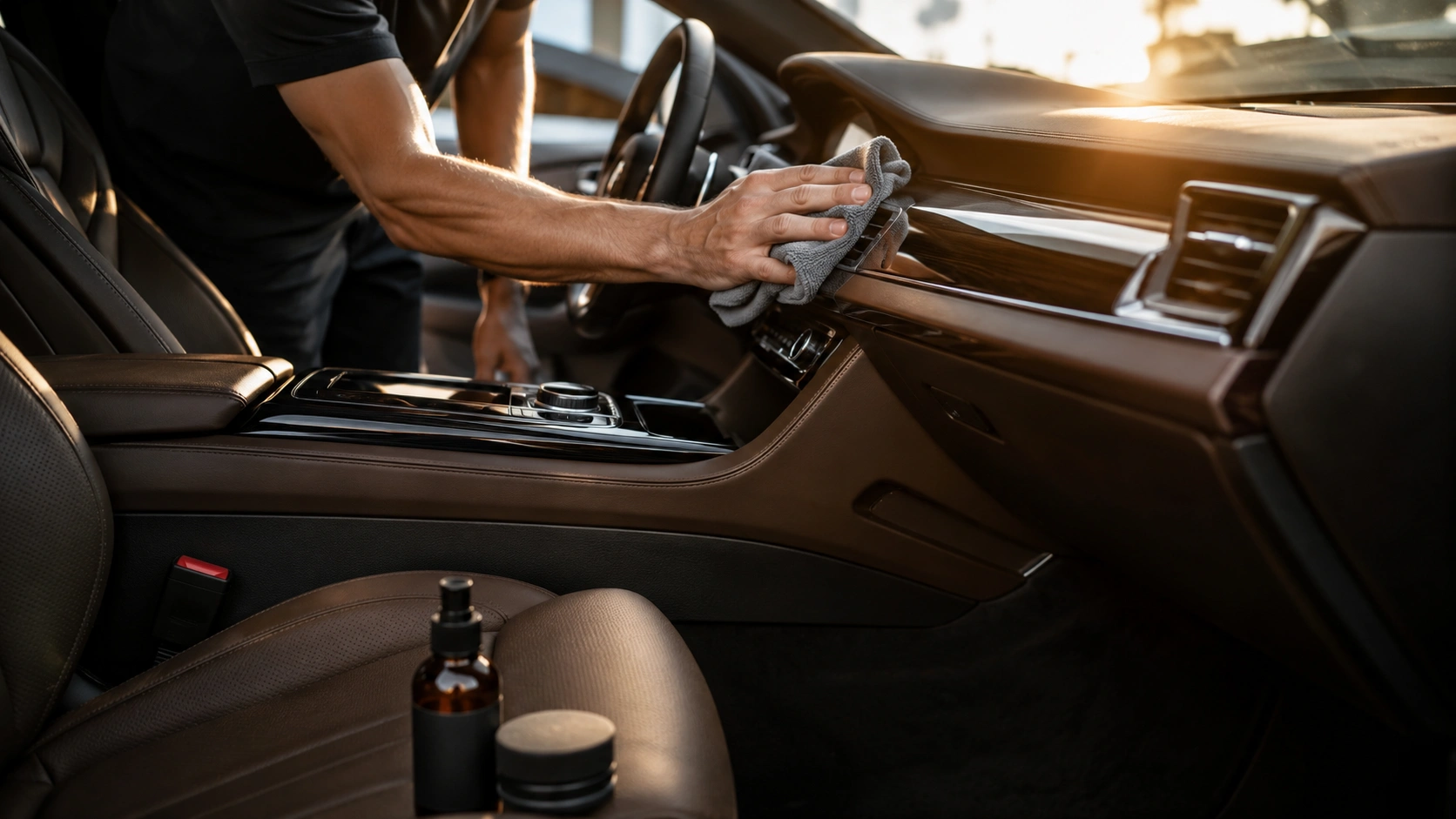
Instead of waiting until dirt becomes noticeable, wipe the dashboard, steering wheel, center console, and door panels with a microfiber cloth every week. This prevents dust from building up and reduces the chances of fine scratches caused by rubbing accumulated dirt into plastic surfaces.
Avoid using household cleaning products, as many contain chemicals that can damage dashboard materials or leave behind a greasy finish. Automotive interior cleaners are specifically designed to clean without affecting delicate plastics, leather, or soft-touch surfaces.
Parking in covered areas whenever possible also helps protect your dashboard from fading and cracking caused by prolonged UV exposure.
Don't Forget About Your Seats
Whether your car has leather, leatherette, or fabric seats, proper care begins from the very first day.
Fabric seats easily absorb dust, sweat, and accidental spills, while leather surfaces can gradually dry out and lose their softness if they aren't cleaned and conditioned regularly.
For leather interiors, gently wiping the seats with a damp microfiber cloth every couple of weeks removes surface dirt before it settles into the material. Applying a quality leather conditioner every few months helps maintain flexibility and prevents premature cracking.
Fabric seats benefit from regular vacuuming, especially around seams where dust and crumbs tend to collect. If a spill occurs, clean it immediately rather than allowing it to soak into the upholstery.
Installing premium seat covers is another excellent way to protect the original upholstery while maintaining a fresh interior appearance. If you eventually sell your vehicle, well-preserved original seats can significantly increase its resale appeal.
Tyre Care: Small Checks That Make a Big Difference
Tyres are the only part of your car that remains in constant contact with the road, yet they are often one of the most neglected components by new car owners.
Driving with incorrect tyre pressure doesn't just reduce fuel efficiency—it can also affect braking distance, handling, and tyre lifespan.
Checking tyre pressure at least once a month should become a regular habit. Seasonal temperature changes naturally cause tyre pressure to fluctuate, so don't assume it remains constant throughout the year.
Always follow the manufacturer's recommended tyre pressure rather than relying on estimates. The correct pressure is usually listed inside the driver's door frame or in the owner's manual.
Proper tyre maintenance offers several long-term benefits. It improves fuel economy, ensures more even tyre wear, enhances driving comfort, and provides better grip during braking or cornering.
In addition to pressure checks, inspect your tyres periodically for cuts, cracks, nails, or uneven wear. Catching these issues early can prevent expensive tyre replacements and reduce the risk of roadside emergencies.
Real Owner Experience
A sedan owner recalled a lesson they learned during their first year of ownership:
"I never thought much about tyre pressure because the car felt fine to drive. During a routine service, the technician pointed out that two tyres were underinflated, causing uneven wear. After maintaining the recommended pressure, I noticed better fuel efficiency and smoother handling almost immediately."
It's surprising how something as simple as checking tyre pressure for a few minutes each month can improve both safety and long-term maintenance costs.
Listen to Your Car Before It Becomes a Problem
Modern cars are remarkably reliable, but they also communicate when something isn't quite right. Ignoring small warning signs often leads to bigger and more expensive repairs later.
If you notice unusual vibrations, squeaking brakes, strange engine noises, warning lights on the dashboard, or changes in steering feel, don't postpone an inspection.
Many first-time owners assume that minor sounds will disappear on their own. In reality, early diagnosis is usually quicker and significantly less expensive than waiting until the problem becomes severe.
Even something as simple as a loose underbody shield or a small suspension component can produce noticeable noises. Addressing these issues early helps prevent additional damage and keeps your vehicle performing at its best.
Routine visual inspections are equally valuable. Every few weeks, take a few minutes to check for fluid leaks beneath the vehicle, examine tyre condition, and ensure all exterior lights are functioning properly.
These small habits require very little time but can prevent unexpected breakdowns and improve overall vehicle reliability.
Pay Attention to Your Engine—It's the Heart of Your Car
Modern car engines are more efficient and reliable than ever before, but they still depend on regular care to deliver smooth performance year after year. Many first-time car owners assume that if the engine starts without any issues, everything is working perfectly. In reality, small maintenance habits can make a huge difference in preventing expensive repairs later.
One of the easiest ways to protect your engine is by allowing it to warm up naturally. Unlike older vehicles, modern engines don't require several minutes of idling before driving. Instead, start the engine, wait for about 20 to 30 seconds, and then begin driving gently. This allows the engine oil to circulate properly while avoiding unnecessary fuel consumption.
Avoid harsh acceleration immediately after starting the car, especially during cold mornings. Giving the engine a few minutes of gentle driving helps all moving components reach their ideal operating temperature.
Another important habit is following the manufacturer's recommended service schedule. Even if your car feels perfectly fine, replacing engine oil and filters on time keeps internal components properly lubricated and reduces wear over thousands of kilometers.
Never Ignore Engine Oil and Other Essential Fluids
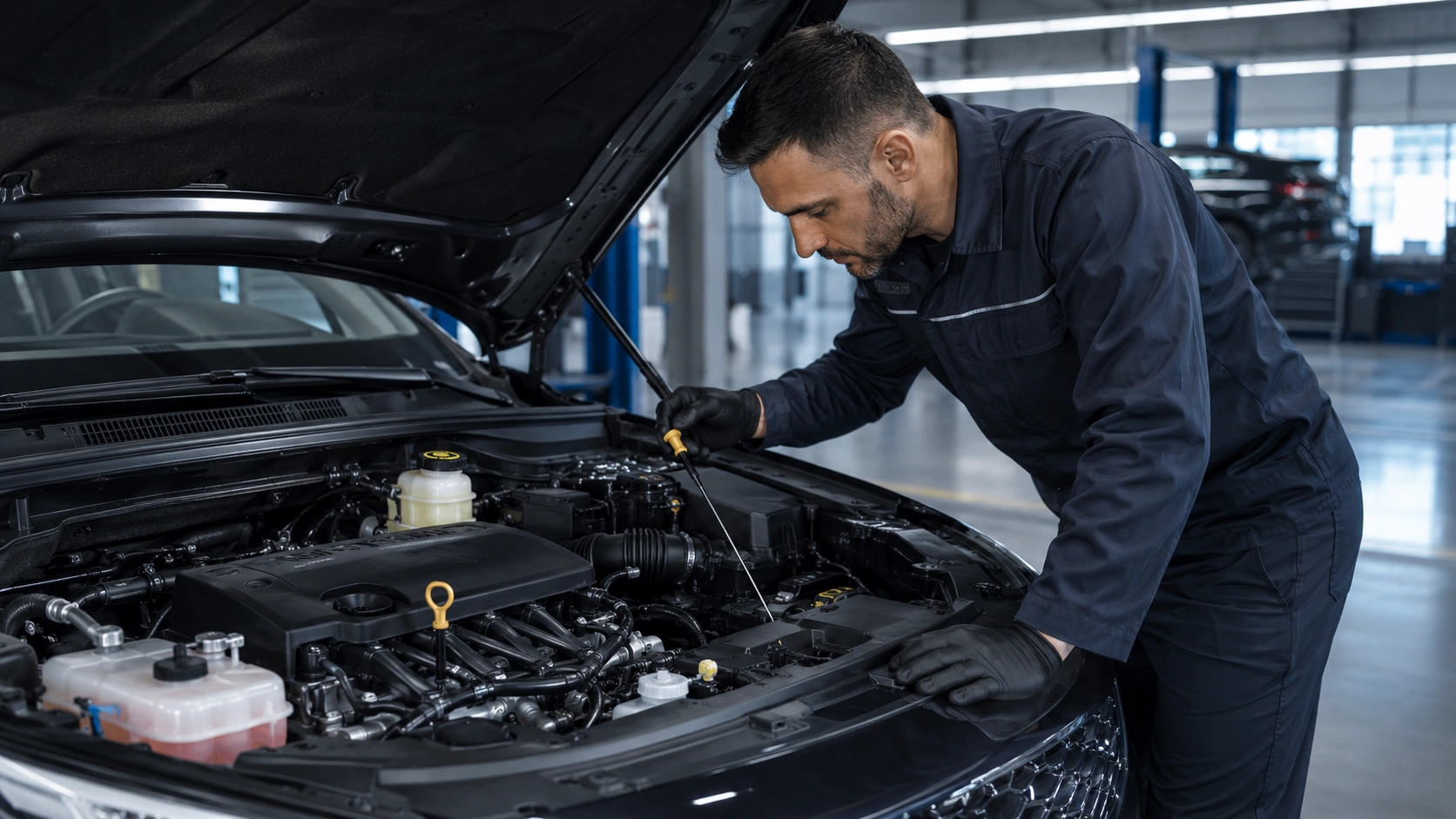
Your engine depends on several fluids working together to maintain performance and reliability. While modern cars have sensors that alert drivers when something is wrong, regular visual inspections are still one of the smartest habits you can develop.
Engine oil reduces friction between moving parts and helps prevent overheating. Over time, however, oil gradually loses its effectiveness as it collects contaminants and breaks down under high temperatures.
Along with engine oil, you should periodically check:
- Engine coolant
- Brake fluid
- Windshield washer fluid
- Transmission fluid (where applicable)
- Power steering fluid (on vehicles equipped with hydraulic steering)
Low fluid levels don't always indicate a serious problem, but ignoring them can eventually lead to expensive mechanical repairs.
Make it a habit to inspect fluid levels every few weeks or before long-distance trips. It only takes a few minutes and can prevent major inconvenience later.
Battery Care Is Easier Than You Think
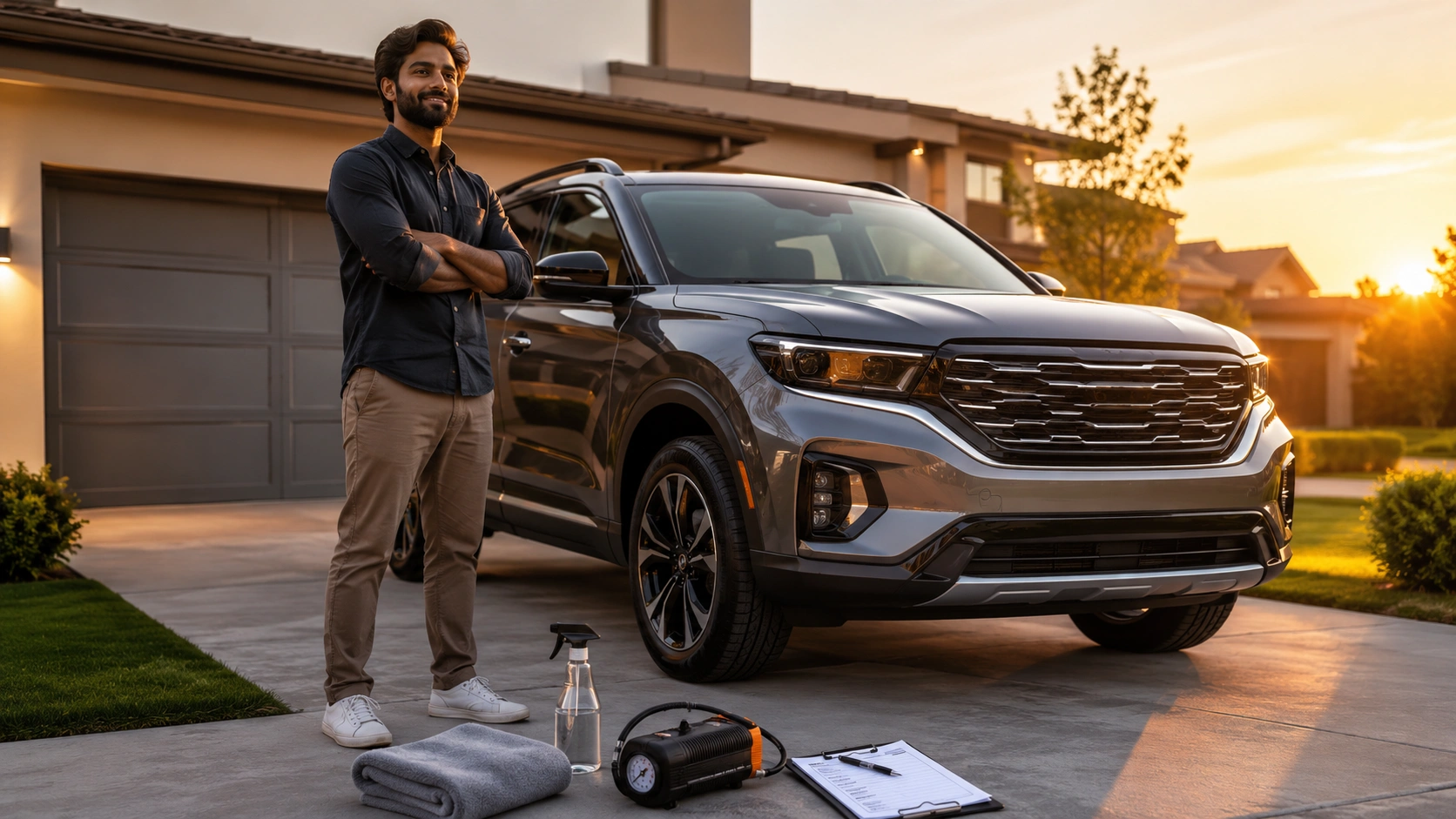
Many people don't think about their car battery until it suddenly refuses to start. Fortunately, modern batteries require very little maintenance, but a few good habits can significantly extend their lifespan.
If your vehicle isn't driven regularly, try taking it for a short drive every week. Long periods of inactivity can gradually discharge the battery, particularly in vehicles with advanced electronics that continue drawing small amounts of power even when parked.
Before switching off the engine, make sure headlights, cabin lights, and other electrical accessories aren't left on unnecessarily. While many modern cars automatically turn these systems off, it's still a good habit to double-check.
Keeping the battery terminals clean and corrosion-free also helps maintain reliable electrical connections.
If you notice slower engine cranking, flickering lights, or repeated battery warnings, schedule an inspection before the battery fails completely.
Prepare Your Car for Every Season
Every season presents different challenges for your vehicle. Adapting your maintenance routine throughout the year helps keep your car in excellent condition regardless of weather conditions.
During summer, intense sunlight can damage both your paint and interior. Whenever possible, park in shaded areas or use a quality windshield sunshade to reduce cabin temperatures and protect dashboard materials from fading.
Monsoon driving requires extra attention. Mud, standing water, and constant moisture can accelerate corrosion if the vehicle isn't cleaned regularly. Washing the underbody after driving through flooded roads helps remove dirt and contaminants before they cause long-term damage.
Winter may not be severe in many regions, but colder mornings can still affect battery performance and tyre pressure. A quick inspection before longer journeys helps ensure everything is functioning properly.
No matter the season, keeping your car clean and following a consistent maintenance schedule will always be the best way to protect your investment.
A Driver's Experience
A new crossover owner shared how regular maintenance saved them from an unexpected problem:
"Before leaving on a weekend road trip, I decided to do a quick inspection even though the car was only a few months old. I noticed the coolant level was slightly below the recommended mark. The service center confirmed there was a small leak in one of the hose clamps. It was repaired under warranty in less than an hour. If I'd ignored it, the problem could have become much more serious during the trip."
Stories like this highlight an important lesson: routine checks often prevent major repairs. Spending just a few minutes inspecting your vehicle can save both time and money while giving you greater confidence every time you get behind the wheel.
Common Mistakes New Car Owners Should Avoid
Owning a new car is exciting, but many first-time owners unknowingly develop habits that shorten the life of their vehicle. Fortunately, most of these mistakes are easy to avoid with a little awareness and regular maintenance.
One of the biggest mistakes is delaying scheduled servicing because the car "still feels fine." Modern vehicles are designed to perform smoothly even when certain components begin to wear. Waiting until a warning light appears or a noticeable problem develops can turn a simple service into an expensive repair. Following the manufacturer's maintenance schedule ensures your engine, transmission, brakes, and other critical systems continue operating at their best.
Another common mistake is ignoring unusual sounds or dashboard warning lights. A small squeak from the brakes, a slight vibration in the steering wheel, or an illuminated warning indicator may seem insignificant, but these early signs often point to minor issues that are much cheaper to fix before they become major mechanical problems.
Many owners also overlook the importance of regular cleaning. Dirt, bird droppings, tree sap, and road grime can slowly damage your car's paint if left unattended. Similarly, allowing food crumbs, dust, and moisture to accumulate inside the cabin can reduce comfort and make the interior age much faster than necessary.
Finally, avoid modifying your car without proper research. Low-quality aftermarket accessories or electrical modifications can sometimes interfere with your vehicle's electronics or even affect warranty coverage. Always choose quality products and consult authorized professionals when making significant upgrades.
Build Long-Term Maintenance Habits
Keeping your car in excellent condition isn't about spending a lot of money—it's about being consistent.
Instead of waiting for problems to appear, develop a routine that includes washing the vehicle regularly, checking tyre pressure every month, inspecting fluid levels before long trips, and paying attention to any changes in the way the car drives.
Scheduling professional servicing on time, using quality fuel, and replacing consumable parts like engine oil, filters, and wiper blades according to the manufacturer's recommendations will help your vehicle remain reliable for many years.
If possible, keep a small maintenance record with service dates, tyre rotations, battery replacements, and other repairs. This not only helps you stay organized but also adds value when selling the vehicle, as buyers appreciate a well-documented service history.
Remember, a car that receives consistent care doesn't just last longer—it performs better, looks newer, and costs less to maintain over its lifetime.
Final Verdict
A new car is more than just a means of transportation—it's an investment that deserves proper care from the very first day. The way you maintain your vehicle during its first few months often determines how well it performs and looks years down the road.
Simple practices such as gentle driving during the break-in period, washing the car correctly, protecting the paint, maintaining the interior, monitoring tyre pressure, checking essential fluids, and following the recommended service schedule all work together to preserve your vehicle's reliability and appearance.
Modern cars are built to last, but even the most advanced technology cannot replace regular maintenance and responsible ownership. Fortunately, caring for your vehicle doesn't require complicated procedures or expensive equipment. A little attention, combined with consistent maintenance, goes a long way toward preventing costly repairs and ensuring every drive remains safe and enjoyable.
Whether you're commuting daily, planning weekend road trips, or simply enjoying the experience of owning your first car, these maintenance habits will help keep your vehicle performing like new throughout 2026 and beyond.
Your car takes care of you on every journey—return the favor by taking care of it. Start building good maintenance habits today, follow your service schedule, and invest in quality cleaning and protection products to keep your vehicle in excellent condition.
Do you have a favorite car care tip or maintenance routine? Share it in the comments below and help fellow car owners keep their vehicles looking and performing their best!
If you found this guide useful, share it with friends or family who have recently purchased a new car. A few simple maintenance habits today can save thousands in repair costs tomorrow.
Looking for professional car care services? Trust the experts to keep your vehicle running efficiently and performing at its best. Book your next service today and enjoy a smoother, more fuel-efficient driving experience. 🚗💨 With 50+ studios across India, we make premium detailing easily accessible. Simply locate your nearest studio and book an appointment. Book Online Appointment Now
Frequently Asked Questions (FAQs)
Ideally, wash your car every one to two weeks. If you frequently drive through dusty roads, coastal areas, or during the rainy season, washing it more often helps protect the paint from contaminants.
Ceramic coating isn't mandatory, but it offers excellent long-term protection against UV rays, dirt, water spots, and minor contaminants. It also makes routine washing easier while helping maintain your car's glossy finish.
Your first service should always follow the schedule recommended by your vehicle manufacturer. This is usually based on either mileage or time, whichever comes first. Never postpone scheduled servicing even if the car appears to be running perfectly.
Maintaining regular service records, keeping both the interior and exterior clean, fixing small issues promptly, protecting the paint, and avoiding unnecessary modifications all contribute to a higher resale value.
Consistency. Regular inspections, timely servicing, proper washing techniques, correct tyre pressure, and careful driving habits are far more valuable than waiting until something goes wrong.
See Also:
- Detailing Devils Co-Ownership Opportunity — Explore how the Detailing Devils co-ownership model works and discover a low-risk way to enter India's rapidly growing automotive detailing industry.
- Fastest Growing Franchises in India — Discover the fastest-growing franchise opportunities in India and learn which business sectors offer strong growth potential and attractive returns.
- Top 5 High Mileage Cars in India — Compare India's most fuel-efficient cars and find the best options for maximizing mileage while reducing fuel costs.
- E20 Petrol Concerns: Government Clarifies Its Impact on Vehicles — Understand what E20 petrol means for your vehicle, the government's latest clarification, and whether your car is compatible with the new fuel.
- Best Low Maintenance Cars in India — Explore the top low-maintenance cars in India that offer affordable servicing, reliable performance, and excellent long-term ownership value.

