




Teflon, Ceramic Coating, or Paint Protection Film (PPF): Which is the Best Choice for Your Car in India?
Buying a car in India is more than just a purchase; it is an emotion, a financial milestone, and a dream come true. There is absolutely nothing that matches the feeling of driving a brand-new, glossy car out of the showroom.
But then, reality hits.
Within just a few weeks of driving on Indian roads, that flawless showroom shine begins to fade. The harsh summer UV rays start oxidizing the paint. The daily local car cleaner uses a dirty cloth and hard borewell water, leaving behind a web of ugly swirl marks and white water spots. And if you frequently drive on the highway, flying gravel and rock chips leave permanent scars on your front bumper.
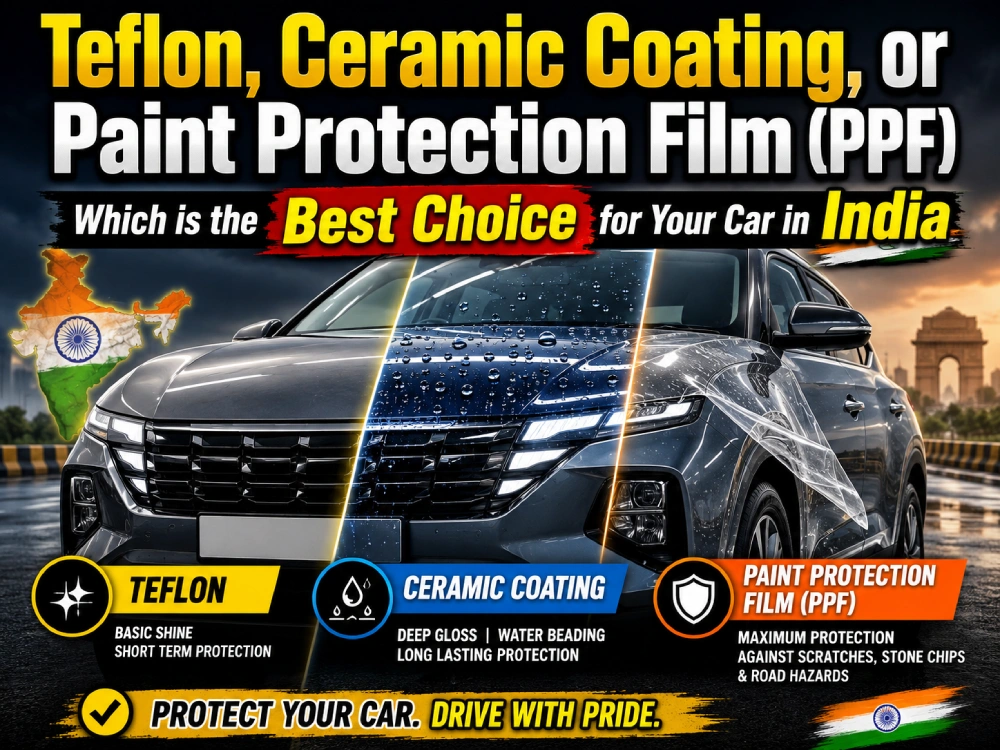
To protect their beloved vehicles, Indian car owners are usually presented with three options by dealerships and detailing studios: Teflon Coating, Ceramic Coating, and Paint Protection Film (PPF).
If you are confused about which one is actually worth your hard-earned money, you are not alone. Dealerships often push cheap Teflon treatments to make quick margins, while detailers push expensive PPF.
At Detailing Devils, we believe in 100% transparency. In this comprehensive 2026 guide, we will break down the exact differences, pros, cons, costs, and durability of Teflon, Ceramic, and PPF, so you can make the smartest choice for your vehicle.
🇮🇳 The Harsh Reality of Indian Driving Conditions
Before you choose a paint protection method, you must understand what you are protecting your car against. Indian environments are uniquely aggressive on automotive paint:
- Heavy Dust & Pollution: Cities like Delhi and Mumbai are highly polluted. Dust settles on the car daily, and wiping it with a dry cloth acts like sandpaper, destroying the clear coat.
- Hard Water Supply: Most Indian societies use untreated borewell water for daily car washing. The calcium and magnesium in this water burn into the paint, leaving permanent hard-water stains.
- Extreme Heat: With peak summer temperatures crossing 45°C (113°F), traditional waxes and cheap coatings simply melt away.
- Highway Hazards: Flying debris, rock chips from trucks, and unexpected minor scrapes in bumper-to-bumper traffic are a daily reality.
To combat these, your car needs a shield. Let us look at the three contenders.
1. Teflon Coating (PTFE): The Outdated Temporary Fix
Teflon, chemically known as Polytetrafluoroethylene (PTFE), is a synthetic fluoropolymer. Originally famous for its non-stick properties in kitchen cookware, the automotive industry adopted it decades ago to give cars a quick, slick, and glossy finish.
How it Works
Teflon is applied as a liquid or paste that sits on top of your car's clear coat. It fills in microscopic pores on the surface, making the paint feel incredibly smooth to the touch and providing an instant shine.
The Honest Pros & Cons
✅ Pros:
- Very Affordable: It is the cheapest option available, usually costing between ₹3,000 to ₹6,000.
- Instant Gloss: It gives your car a quick, beautiful shine right out of the garage.
❌ Cons (The Harsh Truth):
- Terrible Durability: Teflon cannot survive the Indian climate. Under the harsh sun and frequent high-pH shampoo washes, it completely washes away in just 2 to 4 months.
- No Scratch Protection: It does absolutely nothing to protect your car from physical scratches, swirl marks, or rock chips.
- Poor Long-Term Value: Because it fades so quickly, dealerships will ask you to reapply it 3 to 4 times a year, making it a recurring financial drain.
Verdict: Teflon is an outdated technology. In 2026, investing in Teflon is essentially throwing your money away.
2. Ceramic Coating: The High-Gloss Chemical Shield
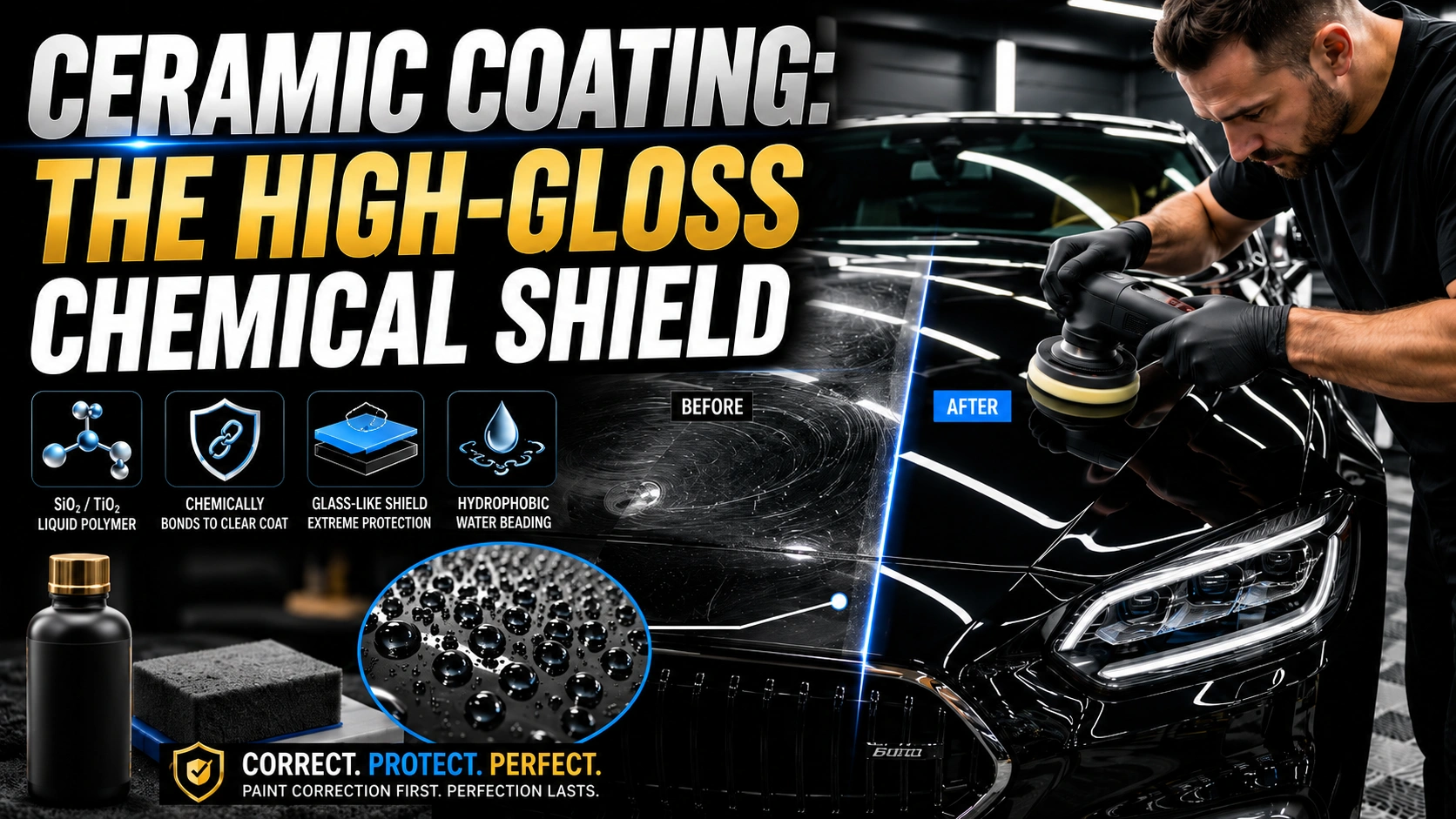
If you want a permanent wet-look gloss and an incredibly easy-to-clean vehicle, Ceramic Coating is the modern gold standard. It is a liquid polymer solution primarily composed of Silica (SiO2) or Titanium Dioxide (TiO2). For extreme heat resistance, advanced versions like graphene coating are also highly popular in India.
How it Works
Unlike Teflon which just sits on the surface, a high-quality ceramic coating chemically bonds with your vehicle's factory clear coat. Once it cures, it transforms into a hardened, semi-permanent glass-like layer.
However, the secret to a flawless ceramic coating lies in the preparation. Before a single drop of coating is applied, a master detailer must perform intensive paint correction. This involves multi-stage machine polishing for complete swirl mark removal, ensuring the paint is 100% defect-free before it is sealed under the glass layer.
The Honest Pros & Cons
✅ Pros:
- Mirror-Like Candy Gloss: The gloss provided by professional nano-ceramics is deep, rich, and permanent.
- Extreme Hydrophobicity (Self-Cleaning): Water, mud, and dirty rain bead up and slide right off. Washing your car becomes 50% faster and easier.
- UV & Chemical Protection: It acts like an SPF-100 sunscreen, completely stopping the paint from oxidizing, fading, or turning yellow. It also resists bird droppings and acid rain.
- High Durability: Depending on the package, professional ceramic coating services can last anywhere from 3 to 5 years.
❌ Cons:
- Not Scratch-Proof: While it resists light wash-induced micro-marring, it cannot protect your car from key scratches, minor accidents, or flying rock chips on the highway.
- Hard Water Vulnerability: If you let hard borewell water dry on a ceramic-coated car under the hot sun, it can still leave water spots.
Cost in India (2026): ₹15,000 — ₹70,000 (depending on vehicle size and warranty years).
3. Paint Protection Film (PPF): The Ultimate Physical Armor
If your ultimate goal is absolute peace of mind and heavy-duty physical protection, nothing in the world beats Paint Protection Film (PPF).
What is it and How it Works?
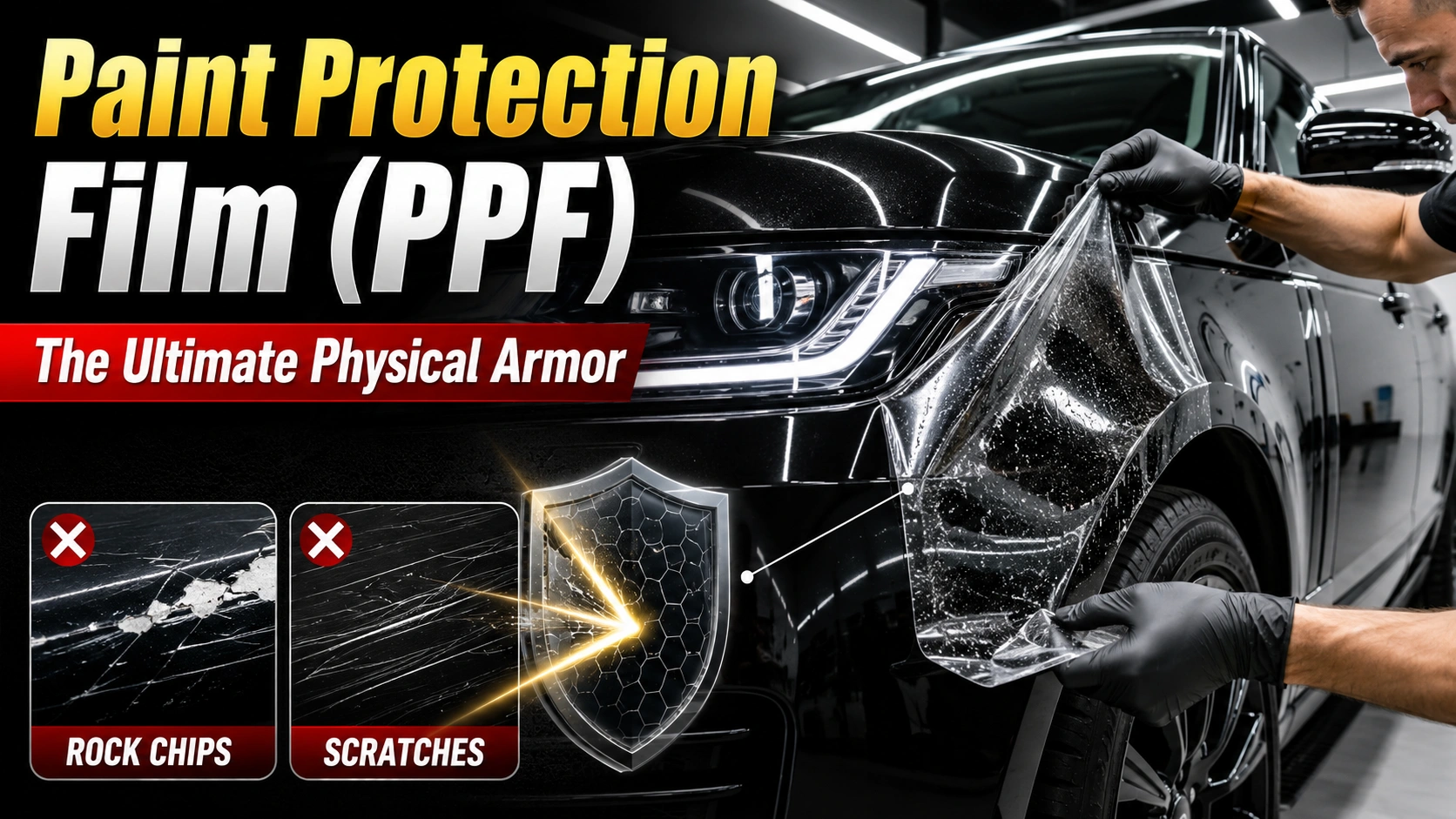
PPF is a thick, transparent, thermoplastic polyurethane (TPU) film that is physically wrapped and stretched over your car's exterior body panels. It acts as an invisible, indestructible skin for your vehicle.
The Honest Pros & Cons
✅ Pros:
- Rock Chip & Scratch Defense: This is the ONLY product that can physically stop flying stones, highway gravel, and minor key scratches from damaging your actual factory paint.
- Self-Healing Technology: High-quality TPU films like our Dragon PPF have advanced self-healing topcoats. If the film gets a swirl mark or a light scratch, simply leaving the car in the hot sun or pouring warm water over it makes the scratch magically disappear!
- Extreme Lifespan: Premium PPF can last between 5 to 10 years without yellowing or cracking.
❌ Cons:
- Very High Cost: PPF is a highly premium product. The raw material is expensive, and the installation requires surgical precision from certified experts.
- Slightly Less Glossy Than Ceramic: While modern PPF is very shiny, it does not quite match the extreme "wet-candy" gloss of a pure 9H ceramic coating.
Cost in India (2026): ₹80,000 — ₹2,00,000+ (depending on the brand and vehicle size).
(Want to learn more about the technical thickness and self-healing science? Explore our detailed guide on paint protection film).
📊 The Direct Comparison: Teflon vs Ceramic vs PPF
To make your decision easier, here is a clear side-by-side comparison of all three options based on Indian driving conditions:
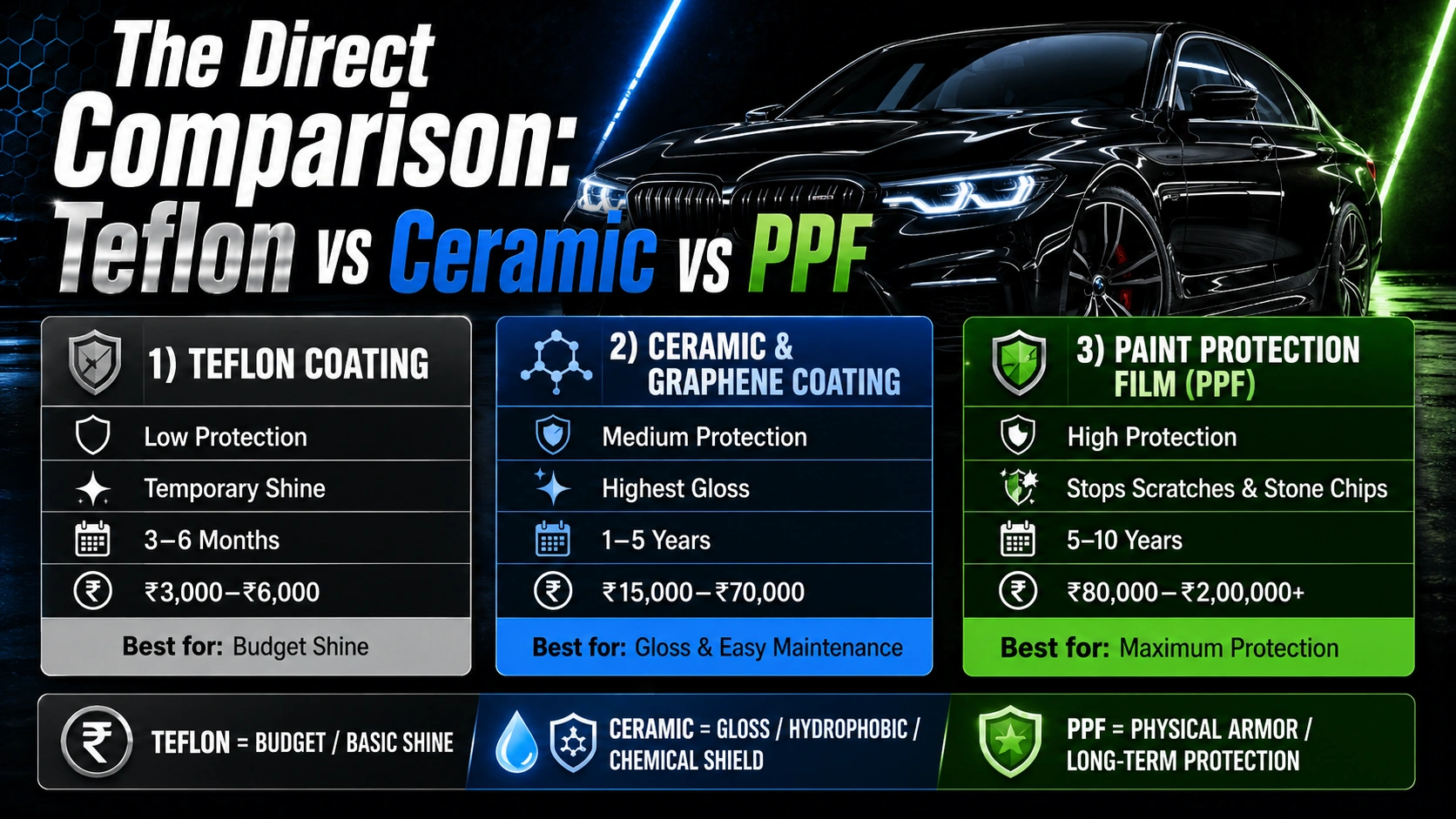
| Feature | Teflon Coating | Ceramic & Graphene Coating | Paint Protection Film (PPF) |
|---|---|---|---|
| Primary Material | Synthetic PTFE | Liquid Nano-Silica (SiO2) / Graphene | Transparent TPU Plastic Sheet |
| Protection Level | Very Low | Medium (Chemical Shield) | High (Physical Armor) |
| Scratch Resistance | None | Low (Stops minor wash swirls only) | High (Stops deep scratches & impacts) |
| Stone Chip Defense | No | No | Yes (Ultimate Protection) |
| Gloss & Shine | Temporary | Highest (Deep Wet Look) | Medium to High |
| Hydrophobic Effect | Moderate | Excellent (Self-cleaning) | Good |
| Durability | 3 to 6 Months | 1 to 5 Years | 5 to 10 Years |
| Estimated Cost | ₹3,000 — ₹6,000 | ₹15,000 — ₹70,000 | ₹80,000 — ₹2,00,000+ |
| Best For | Short-term cheap shine | Ultimate Gloss & Easy Maintenance | Maximum Peace of Mind & Armor |
🏆 Which One Should You Actually Choose?
Your choice depends entirely on your budget, your driving habits, and what you expect from the product.
👉 Choose Ceramic Coating If: You are a careful driver who mostly drives in city traffic. You want your car to look like a mirror 24/7, hate spending hours washing it, and want permanent protection against the sun and bird droppings. It offers the best return on investment for visual appeal.
👉 Choose Paint Protection Film (PPF) If: You frequently drive on highways, live in areas with heavy construction/flying debris, or own a highly expensive luxury vehicle. If the thought of a scratch on your car keeps you up at night, PPF is the only armor that will give you absolute peace of mind.
👑 The Smartest Choice: The "Hybrid" Approach Can't decide? Many smart Indian car owners in 2026 are opting for a hybrid solution. They install PPF on the high-impact areas (the front bumper, hood, fenders, and side mirrors) to stop rock chips. Then, they apply a 9H Ceramic Coating on the rest of the car (doors, roof, trunk) for maximum gloss and water repellency. This gives you the best of both worlds without breaking the bank!
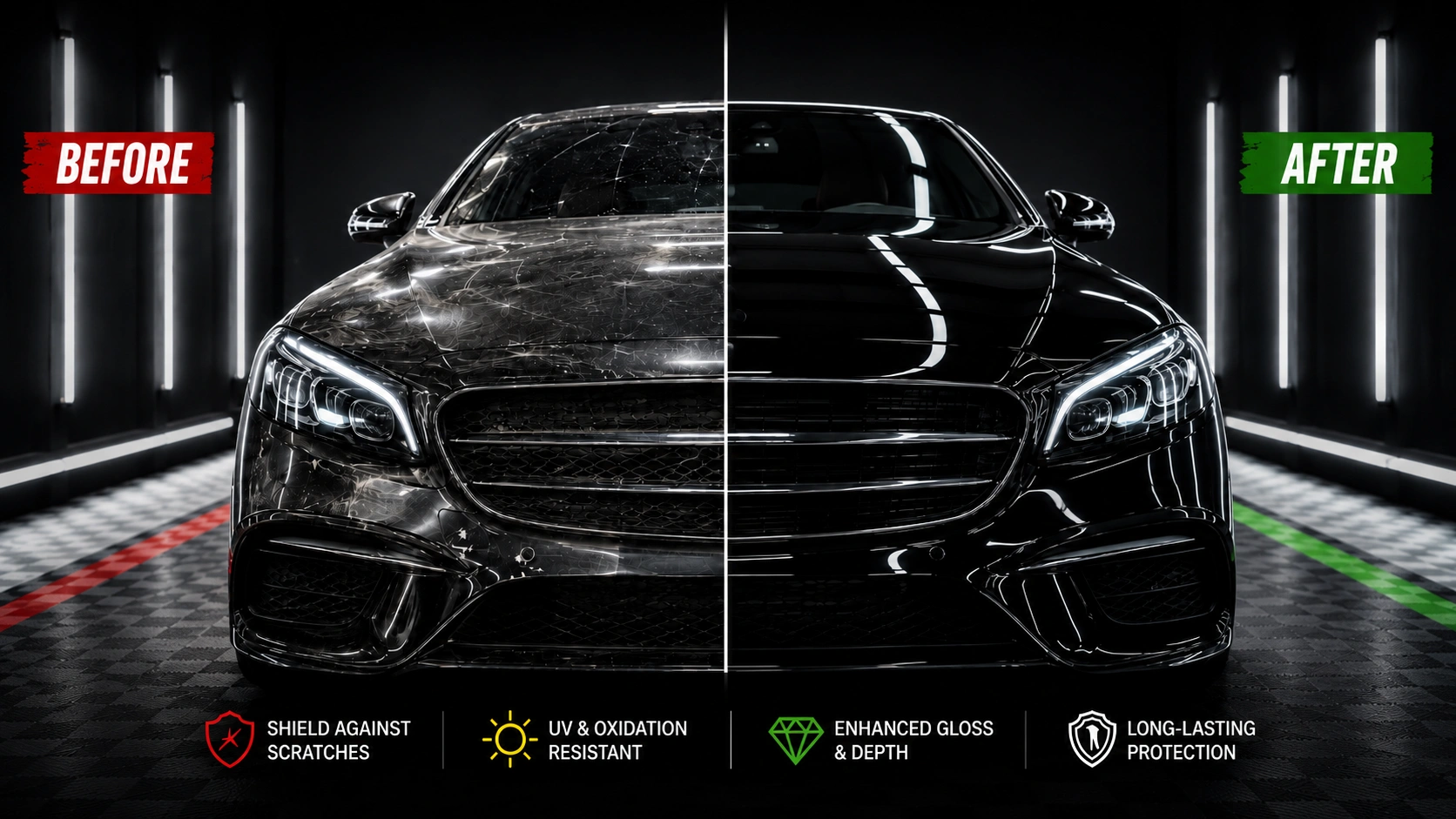
🚀 Stop Guessing. Start Protecting Your Investment!
Your vehicle is precious. Whether you choose the mirror-like gloss of our 9H Diamond Nano Armor or the self-healing physical shield of our Dragon PPF, the secret to a long-lasting finish is choosing the right professionals.
At Detailing Devils, India's most trusted premium automotive care brand with over 140+ studios nationwide, we don't just wash cars—we engineer perfection. From intense swirl mark removal to flawless, dust-free installations, your vehicle is in the hands of certified master detailers.
Don't wait for your paint to get ruined. Get expert advice tailored to your car today!
📞 Book a Free Vehicle Inspection Near You
📍 Locate Your Nearest Detailing Devils Studio
(Want to turn your passion for cars into a highly profitable business? Explore our Car Detailing Franchise Opportunities today!)
Frequently Asked Questions (FAQs)
No, liquid coatings are transparent. Applying a coating over scratched paint will just lock the scratches in. This is why professional car detailing services perform a deep paint correction and polishing process to remove scratches before the coating is applied.
Yes! In fact, it is highly recommended. Applying a specialized ceramic coating over your PPF enhances the gloss, adds extreme water repellency, and prevents the plastic film from absorbing environmental stains.
Yes. Showroom paint is soft and highly vulnerable. Protecting it in the first month locks in the flawless factory clear coat before the Indian dust and hard water get a chance to ruin it.
Teflon offers a false sense of security. It washes away in a few months, meaning your car's paint will be exposed to UV rays and bird droppings without you even realizing it until the damage is already done.
Related Blogs:
- Best Car Cleaning Service in Noida - Find the best car cleaning services in Noida and keep your car looking new.
- Car Detailing Products - Discover the best products for car detailing and how to use them to achieve a professional shine.
- Detailing Services for Different Cars - Learn about the different types of detailing services available for different types of cars and which one is best for you.
- Car Detailing for Different Seasons - Find out how to prepare your car for different seasons with the right detailing methods and products.
- How to clean your car's interior - Learn the 8 best techniques and products for cleaning the interior of your car, including the seats, dashboard, and carpets.

