




Why Vehicle Cybersecurity Is Becoming Important for Modern Cars
Today's vehicles are no longer just machines powered by engines—they're becoming intelligent computers on wheels. Features like keyless entry, smartphone connectivity, GPS navigation, ADAS (Advanced Driver Assistance Systems), over-the-air (OTA) software updates, digital dashboards, and connected infotainment systems have transformed the driving experience.
While these technologies make driving safer, smarter, and more convenient, they also introduce a new challenge that many car owners rarely think about—vehicle cybersecurity.
Cybersecurity in automobiles is becoming just as important as physical safety. Just as we install antivirus software on computers and smartphones, connected vehicles also require strong digital protection against cyber threats.
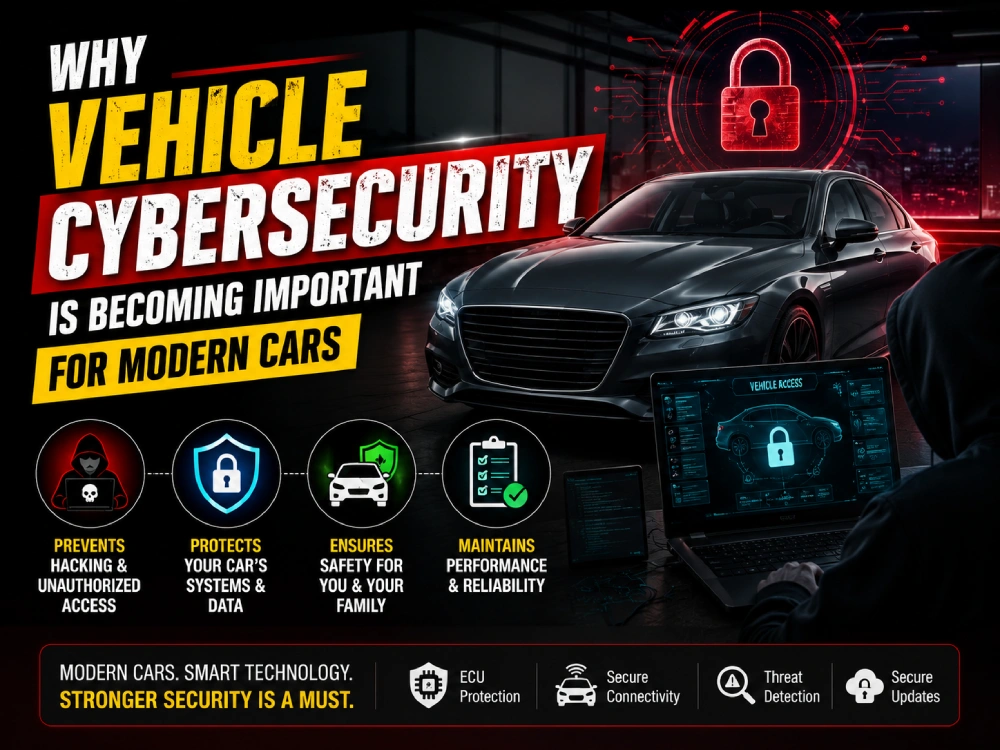
What Is Vehicle Cybersecurity?
Vehicle cybersecurity refers to the technologies and security measures designed to protect a vehicle's electronic systems, communication networks, software, and stored data from unauthorized access, hacking, and cyberattacks.
Modern cars contain dozens of Electronic Control Units (ECUs) that manage essential functions including braking, steering, engine performance, airbags, transmission, climate control, and entertainment systems. These systems constantly exchange information through internal vehicle networks such as the CAN (Controller Area Network) Bus.
As vehicles become increasingly connected to smartphones, cloud services, mobile apps, Bluetooth devices, Wi-Fi hotspots, and 5G networks, the number of potential entry points for hackers also increases.
Without proper cybersecurity, attackers may gain access to sensitive information or interfere with vehicle operations.
Why Modern Cars Are More Vulnerable Than Ever
The automotive industry is rapidly moving toward software-defined vehicles. Every new feature added for convenience also increases digital complexity.
Modern vehicles now commonly include:
- Remote engine start
- Mobile app controls
- Digital key access
- Wireless software updates
- Voice assistants
- Connected navigation
- Cloud-based diagnostics
- Vehicle tracking
- Autonomous driving assistance
- Vehicle-to-Vehicle (V2V) communication
Each connected feature communicates through software, making cybersecurity an essential part of vehicle design rather than an optional feature.
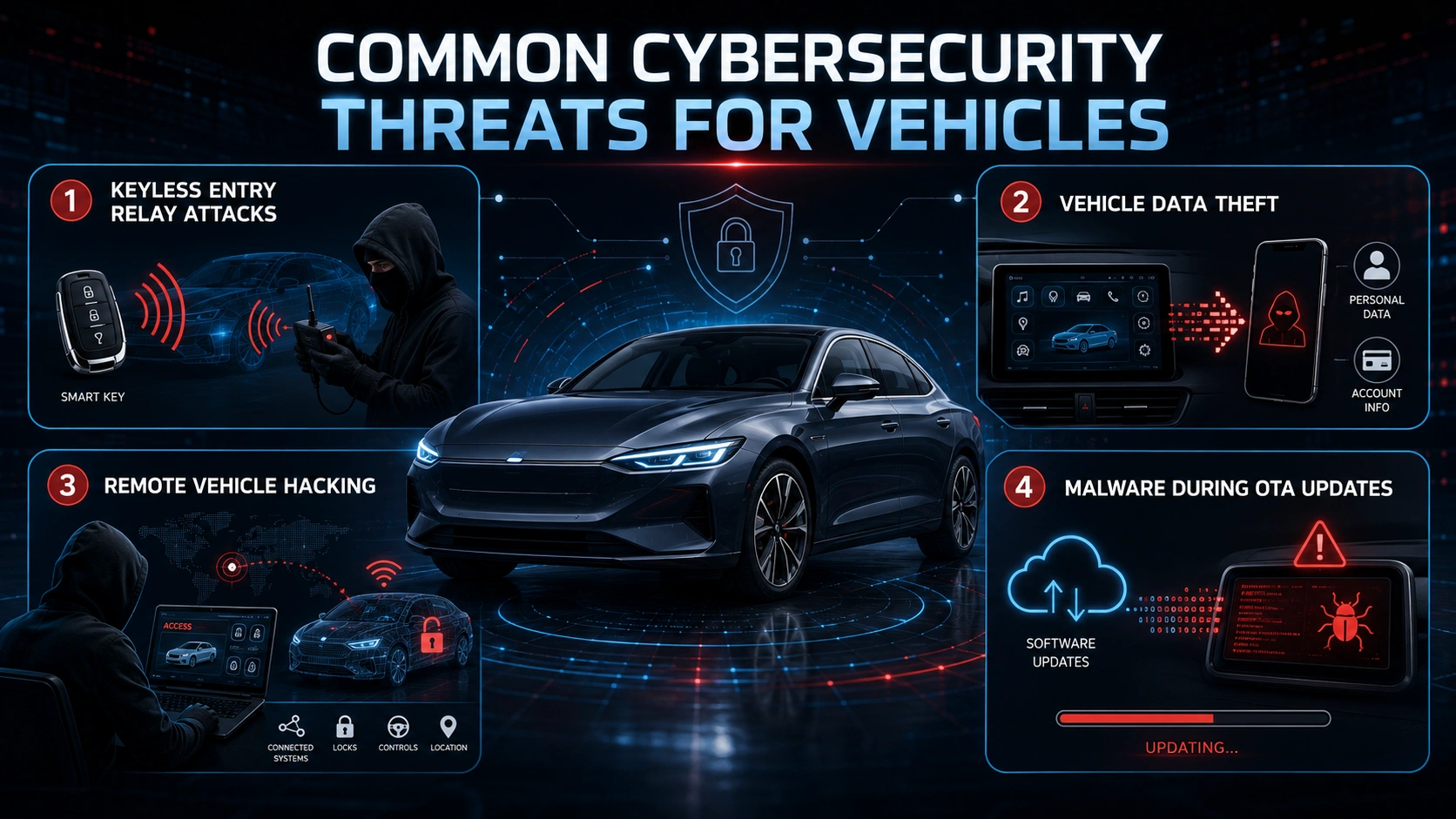
Common Cybersecurity Threats for Vehicles
1. Keyless Entry Relay Attacks
Many modern vehicles use smart keys that automatically unlock doors when the key is nearby. Criminals can amplify the signal from your key fob using relay devices, making the vehicle believe the key is present even when it's inside your home.
This allows thieves to unlock and even start the vehicle without physically possessing the key.
2. Vehicle Data Theft
Modern cars collect a surprising amount of personal information, including:
- Contact lists
- Phone call history
- Home addresses
- Frequently visited locations
- Driving habits
- Payment information
- Music preferences
Hackers who gain access to the infotainment system may steal this valuable personal data.
3. Remote Vehicle Hacking
Although uncommon, researchers have demonstrated that vulnerabilities in connected systems can allow attackers to remotely interact with vehicle functions if proper protections are absent.
Potential targets include:
- Door locks
- Infotainment systems
- GPS functions
- Climate control
- Vehicle diagnostics
This is why manufacturers regularly release software patches.
4. Malware During Software Updates
Over-the-Air (OTA) updates allow manufacturers to improve vehicle software without visiting a dealership. However, if update systems are not properly secured, attackers could attempt to inject malicious software into the vehicle. Secure authentication and encrypted updates help prevent this.
How Cybersecurity Improves Vehicle Safety
Vehicle cybersecurity isn't just about protecting digital information—it directly supports driver safety.
Security systems help ensure that:
- Critical vehicle software functions correctly.
- Communication between vehicle components remains secure.
- Safety systems like ABS, airbags, and ADAS operate as intended.
- Unauthorized users cannot manipulate vehicle settings.
- Software updates come from trusted sources.
Strong cybersecurity ultimately helps preserve reliability and reduces the risk of malicious interference.
How Car Manufacturers Protect Modern Vehicles
Automotive companies invest heavily in cybersecurity throughout the vehicle's lifecycle.
Common protection methods include:
Secure Software Development
Manufacturers test software extensively before release to identify and fix vulnerabilities.
Encryption
Sensitive communications between vehicle systems are encrypted, making them difficult for attackers to intercept or alter.
Multi-Level Authentication
Access to diagnostic tools, software updates, and connected services often requires authentication to verify authorized users.
Secure OTA Updates
Updates are digitally signed and verified before installation to help ensure they are genuine.
Continuous Security Monitoring
Many manufacturers monitor for newly discovered vulnerabilities and release security patches when needed.
Why Electric Vehicles Need Strong Cybersecurity
Electric Vehicles (EVs) rely heavily on software to manage:
- Battery systems
- Charging
- Regenerative braking
- Energy management
- Navigation
- Mobile app integration
Because EVs are deeply connected, cybersecurity plays a major role in maintaining reliable operation and protecting user data.
As EV adoption grows, cybersecurity will remain a critical area of focus for manufacturers and suppliers.
Connected Cars and the Internet of Things (IoT)
Modern cars are part of the Internet of Things (IoT), communicating with:
- Smartphones
- Smart homes
- Charging stations
- Traffic infrastructure
- Cloud servers
- Fleet management platforms
This connectivity improves convenience but also increases the need for secure communication channels and regular software maintenance.
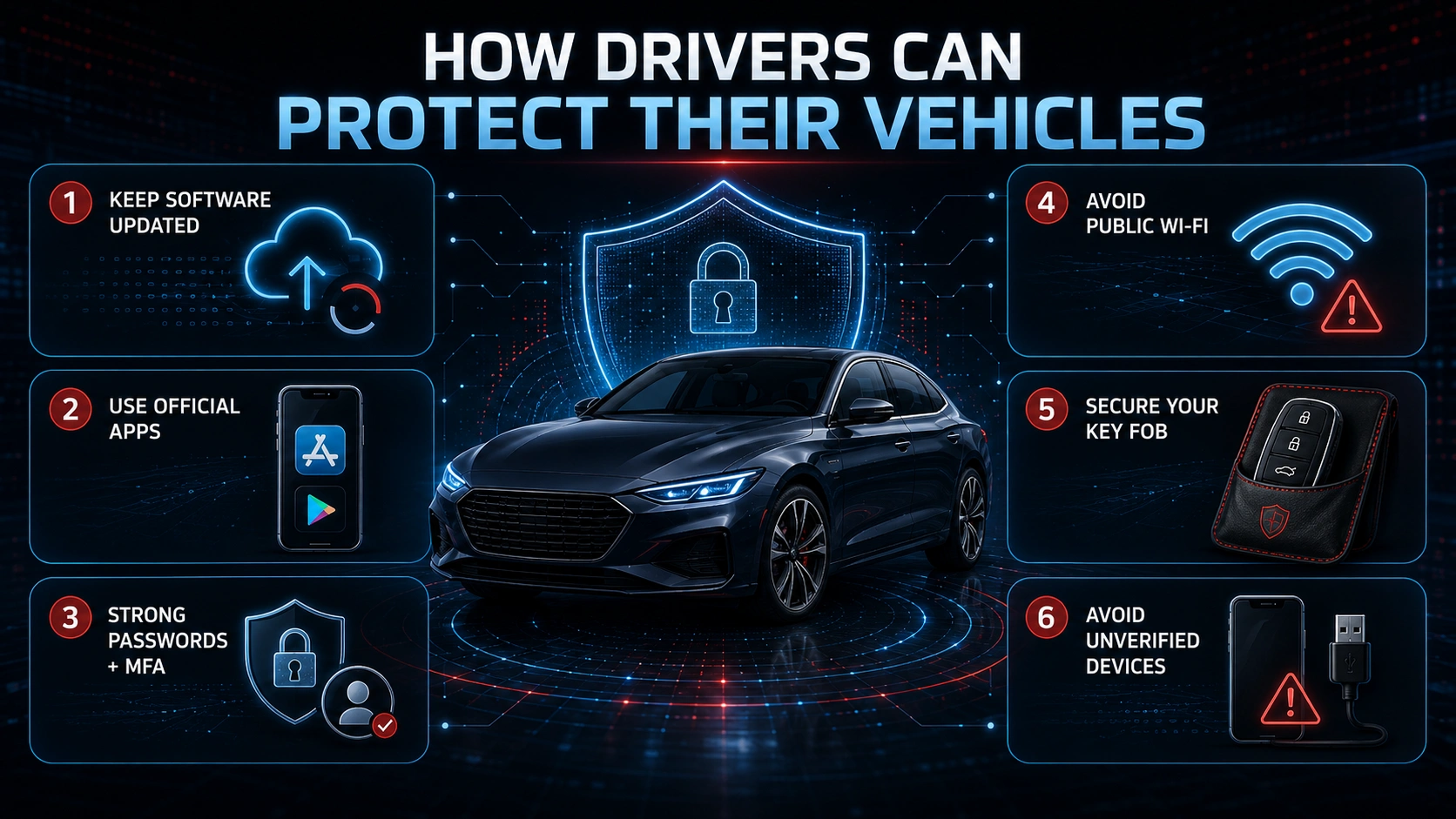
How Drivers Can Protect Their Vehicles
Cybersecurity is a shared responsibility between manufacturers and vehicle owners.
Here are some practical steps drivers can take:
- Keep Software Updated: Install official software updates promptly, as they often include important security fixes.
- Use Official Mobile Apps: Download companion apps only from trusted app stores and avoid unofficial software.
- Protect Your Digital Accounts: Use strong, unique passwords and enable multi-factor authentication where available.
- Be Cautious with Public Networks: Avoid connecting your vehicle to unsecured public Wi-Fi unless necessary.
- Secure Your Key Fob: Store keyless entry fobs in a signal-blocking pouch (Faraday pouch) when not in use to reduce the risk of relay attacks.
- Avoid Unverified Devices : Only connect trusted USB devices, smartphones, or accessories to your vehicle.
The Role of Artificial Intelligence in Vehicle Security
Artificial Intelligence (AI) is becoming an important tool for automotive cybersecurity.
AI systems can:
- Detect unusual vehicle behavior
- Identify suspicious network activity
- Recognize hacking attempts
- Respond to threats more quickly
- Improve intrusion detection over time
As vehicles become more autonomous, AI-powered cybersecurity solutions are expected to play an even larger role.
Government Regulations Are Raising Cybersecurity Standards
Governments and automotive organizations around the world are introducing regulations that encourage stronger cybersecurity practices throughout the vehicle lifecycle.
These frameworks promote:
- Secure software development
- Risk assessment
- Incident response planning
- Ongoing vulnerability management
- Regular security updates
Such efforts help manufacturers build safer connected vehicles and improve consumer confidence.
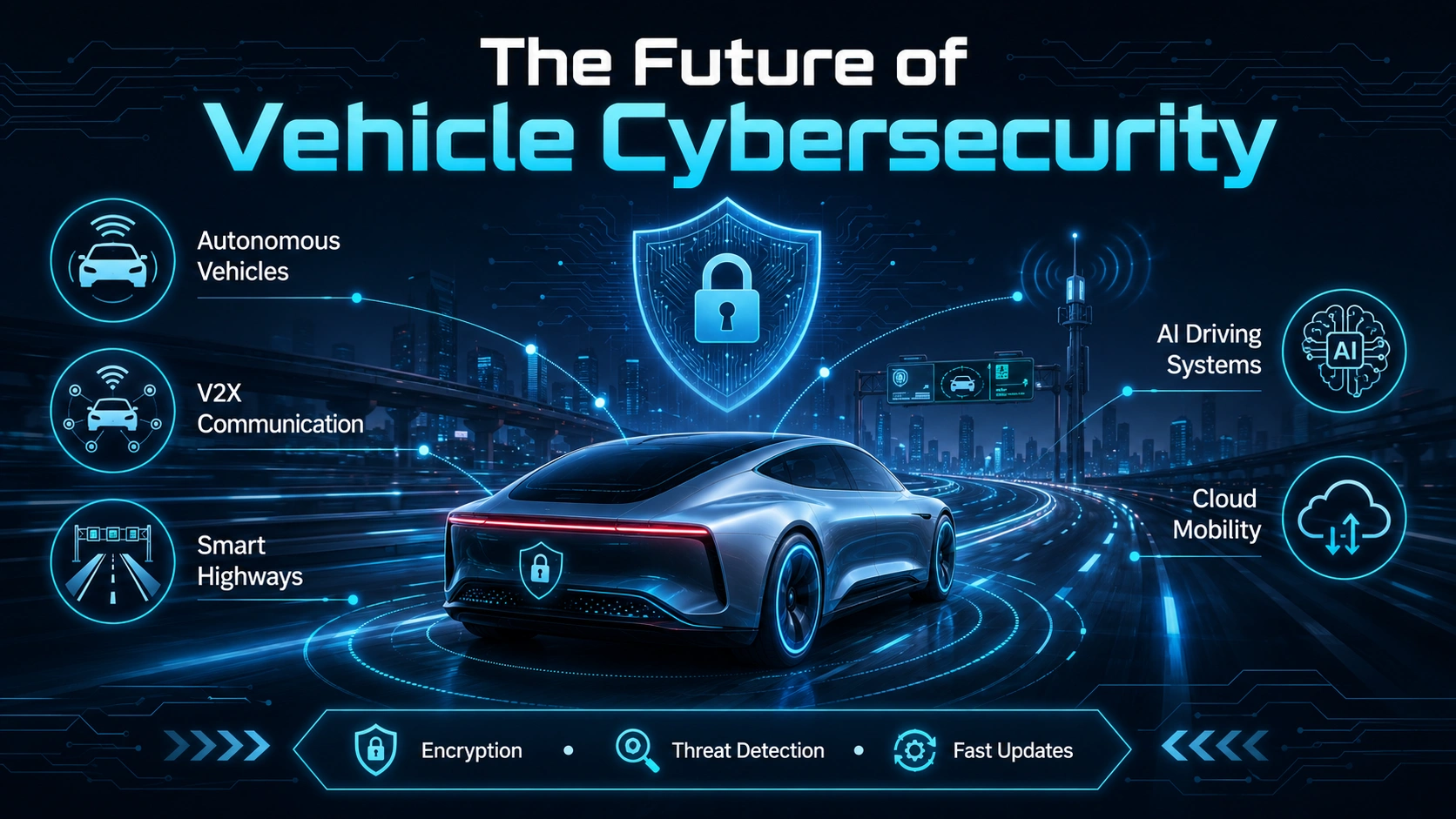
The Future of Vehicle Cybersecurity
The future of transportation will include:
- Autonomous vehicles
- Vehicle-to-Everything (V2X) communication
- Smart highways
- AI-powered driving systems
- Cloud-connected mobility services
As connectivity expands, cybersecurity will become an integral part of vehicle design and maintenance. Manufacturers will continue investing in stronger encryption, advanced threat detection, and faster security updates to protect both drivers and their data.
Social Media Reactions: Viral Videos Spark Safety Concerns
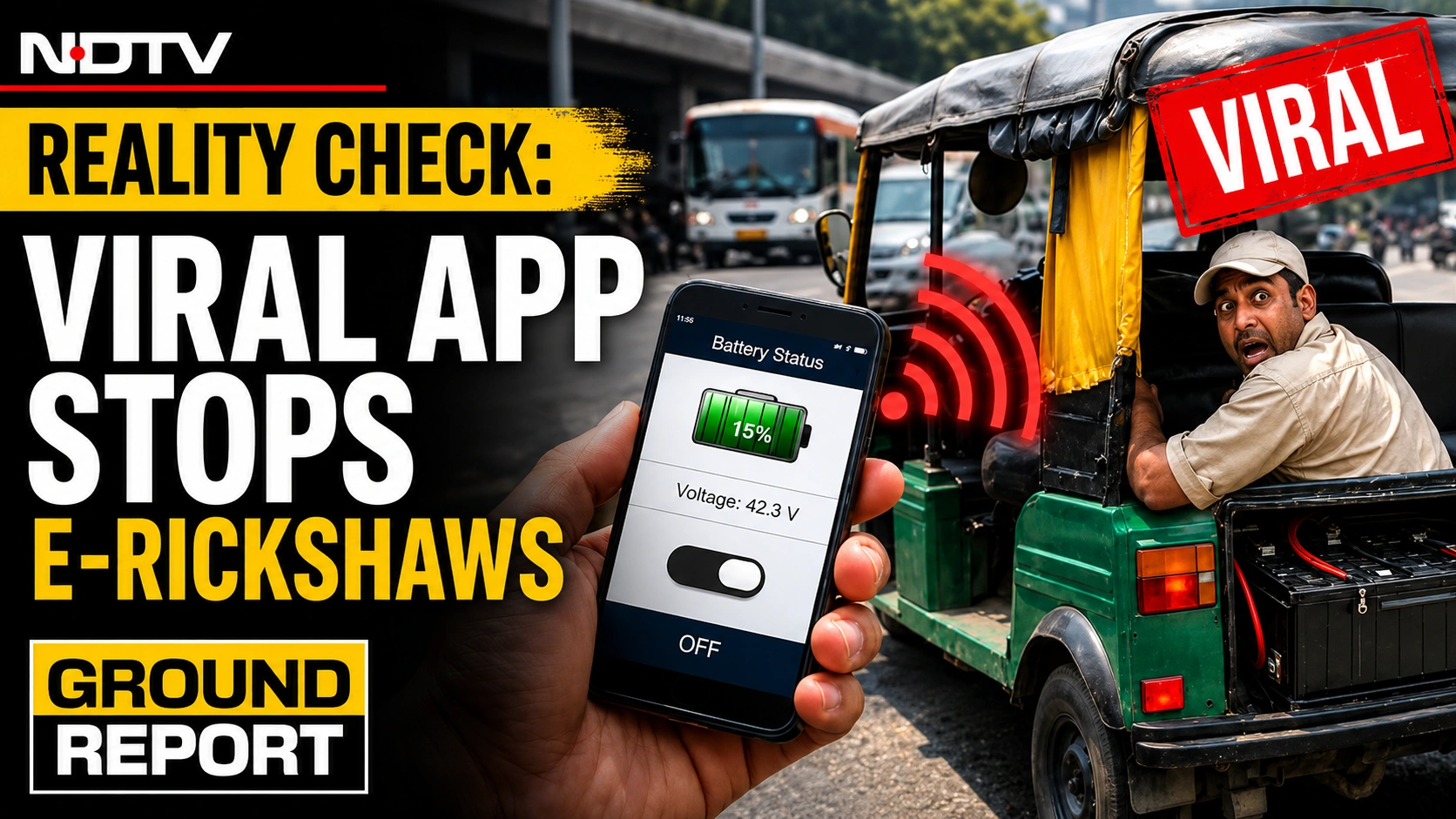
The Bluetooth BMS vulnerability quickly became a major talking point across social media platforms. Videos showing pranksters stopping moving e-rickshaws with a smartphone spread rapidly on X (formerly Twitter), Instagram, Facebook, and YouTube. While many users initially treated the clips as entertainment, the reaction soon shifted as cybersecurity experts and EV enthusiasts highlighted the serious safety risks involved.
Many users pointed out that what appeared to be a harmless prank could easily result in:
- Road accidents caused by sudden vehicle shutdowns
- Financial losses for e-rickshaw drivers who depend on daily earnings
- Traffic congestion in busy city areas
- Serious cybersecurity concerns for India's growing EV ecosystem
Several cybersecurity professionals also questioned why critical battery controls were accessible over Bluetooth without strong authentication in certain battery systems. Many argued that connected vehicle components should follow stricter cybersecurity standards similar to those used in modern automobiles.
As the videos gained traction, the issue shifted from being a viral social media trend to a national discussion about EV cybersecurity and the security of connected battery technologies.
The Chinese Bluetooth BMS Issue Explained
The recent controversy was not caused by Bluetooth itself, but by the way some low-cost Bluetooth-enabled Battery Management Systems (BMS) were configured.
Many lithium battery packs used in budget e-rickshaws include Bluetooth modules manufactured by Chinese suppliers. These modules allow users to monitor battery health, voltage, charging status, temperature, and other diagnostics through companion mobile apps such as BAT-BMS. The remote control functions are intended for legitimate purposes like maintenance, battery protection, and diagnostics.
The problem emerged because some older or improperly configured BMS units reportedly allowed nearby phones to connect without requiring a password or strong authentication. Once connected within Bluetooth range, an unauthorized user could access functions such as disabling the battery's discharge output, immediately cutting power to the motor and stopping the vehicle. This was a security weakness in certain implementations rather than a universal flaw in all EV batteries or all Chinese-made products. Newer versions of the affected app have introduced password protection to reduce this risk.
Why This Became a Major Cybersecurity Concern
The incident exposed several broader issues:
- Weak or missing Bluetooth authentication in some battery systems
- Drivers were often unaware that their batteries supported password protection
- Critical battery controls were accessible through consumer mobile apps
- Low-cost imported electronic components sometimes lacked robust cybersecurity safeguards
- The incident highlighted the need for better cybersecurity standards across the EV supply chain
This does not mean every Chinese BMS is insecure or that every electric vehicle can be hacked. Most EV manufacturers use proprietary Battery Management Systems with stronger authentication, encrypted communication, and secure firmware that are not vulnerable in the same way. The reported issue affected only certain Bluetooth-enabled battery systems with weak security configurations.
Government Response
Following reports of the misuse, the Ministry of Electronics and Information Technology (MeitY) directed Google and Apple to remove several battery management apps—including BAT-BMS, Lossigy, and Epoch i-ion—that were allegedly being exploited to disable vehicles remotely. Authorities also emphasized the need for stronger cybersecurity practices in connected EV systems and greater awareness among battery manufacturers, dealers, and vehicle owners.
Keep Your Modern Car Protected—Inside and Out
Modern vehicles deserve complete protection—not just from scratches and environmental damage but also through regular software updates and smart security practices. While vehicle cybersecurity keeps your car's digital systems safe, Detailing Devils ensures its exterior stays in showroom condition with premium Ceramic Coating, Paint Protection Film (PPF), and professional detailing services. Give your vehicle the complete care it deserves by combining advanced digital security with world-class physical protection.
Final Thoughts
Modern cars are evolving into sophisticated connected devices, offering remarkable convenience and advanced safety features. However, this increased connectivity also brings new cybersecurity considerations. Protecting a vehicle now involves more than locks and alarms—it includes safeguarding its software, communication systems, and personal data.
By keeping vehicle software updated, using trusted apps and accessories, protecting digital accounts, and staying informed about cybersecurity best practices, drivers can enjoy the benefits of connected technology with greater confidence. As the automotive industry continues to innovate, cybersecurity will remain a cornerstone of safe and reliable mobility.
Frequently Asked Questions (FAQs)
Vehicle cybersecurity is the protection of a vehicle's software, electronic systems, communication networks, and stored data from unauthorized access, cyberattacks, and digital threats.
Researchers have shown that connected vehicle systems can be vulnerable if security flaws exist. Manufacturers reduce these risks through secure software design, encryption, and regular updates.
Electric vehicles rely heavily on software for battery management, charging, navigation, and connected services, making robust cybersecurity especially important.
Install official software updates, use strong passwords for connected accounts, download only trusted apps, protect keyless entry fobs, and avoid connecting unverified devices.
A relay attack uses specialized equipment to amplify the signal from a keyless entry fob, potentially allowing unauthorized access to a vehicle. Signal-blocking pouches can help reduce this risk.
Yes. Manufacturers often release updates that fix security vulnerabilities, improve system stability, and enhance protection against emerging threats.
See Also:
- Fastest Growing Franchises in India — Discover the fastest-growing franchise opportunities in India and learn which business sectors offer strong growth potential and attractive returns.
- Top 5 High Mileage Cars in India — Compare India's most fuel-efficient cars and find the best options for maximizing mileage while reducing fuel costs.
- E20 Petrol Concerns: Government Clarifies Its Impact on Vehicles — Understand what E20 petrol means for your vehicle, the government's latest clarification, and whether your car is compatible with the new fuel.
- Smart Ways to Extend Your Car Battery Life — Explore practical maintenance tips to improve your car battery's performance, increase its lifespan, and avoid unexpected breakdowns.
- Aluminum Wheel Cleaning & Polishing Guide — Find out the correct techniques, tools, and products to clean, polish, and protect aluminum alloy wheels for a long-lasting shine.

