




Tata Safari History | The Evolution of an SUV Icon (1998 - Present)
When you think of the Indian automotive landscape and the vehicles that truly shaped it, a few names instantly come to mind. But if there is one vehicle that genuinely defined the concept of a true-blue "SUV" for the Indian masses, it is the Tata Safari. Launched at a time when the Indian market was dominated by humble hatchbacks and basic sedans, the Tata Safari rolled in like a behemoth, promising adventure, luxury, and the irresistible urge to "Reclaim Your Life."
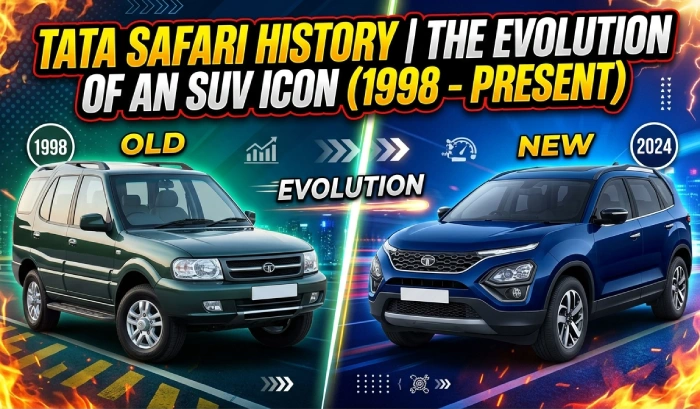
Over the past couple of decades, the Tata Safari has seen numerous iterations, facelifts, engine upgrades, and a complete generational overhaul. It has transformed from a rugged, ladder-on-frame 4x4 off-roader to a sophisticated, tech-laden, monocoque modern SUV. In this comprehensive guide, we will take a deep dive into the Tata Safari history, tracing its evolution from its birth in 1998 to its current status as a premium family SUV.
Along the way, we will also share some essential tips on how you can keep your beloved Safari looking pristine using premium automotive protection solutions, like the ones detailed in our Ultimate Guide to Car Coating.
1998: The Genesis of an Icon
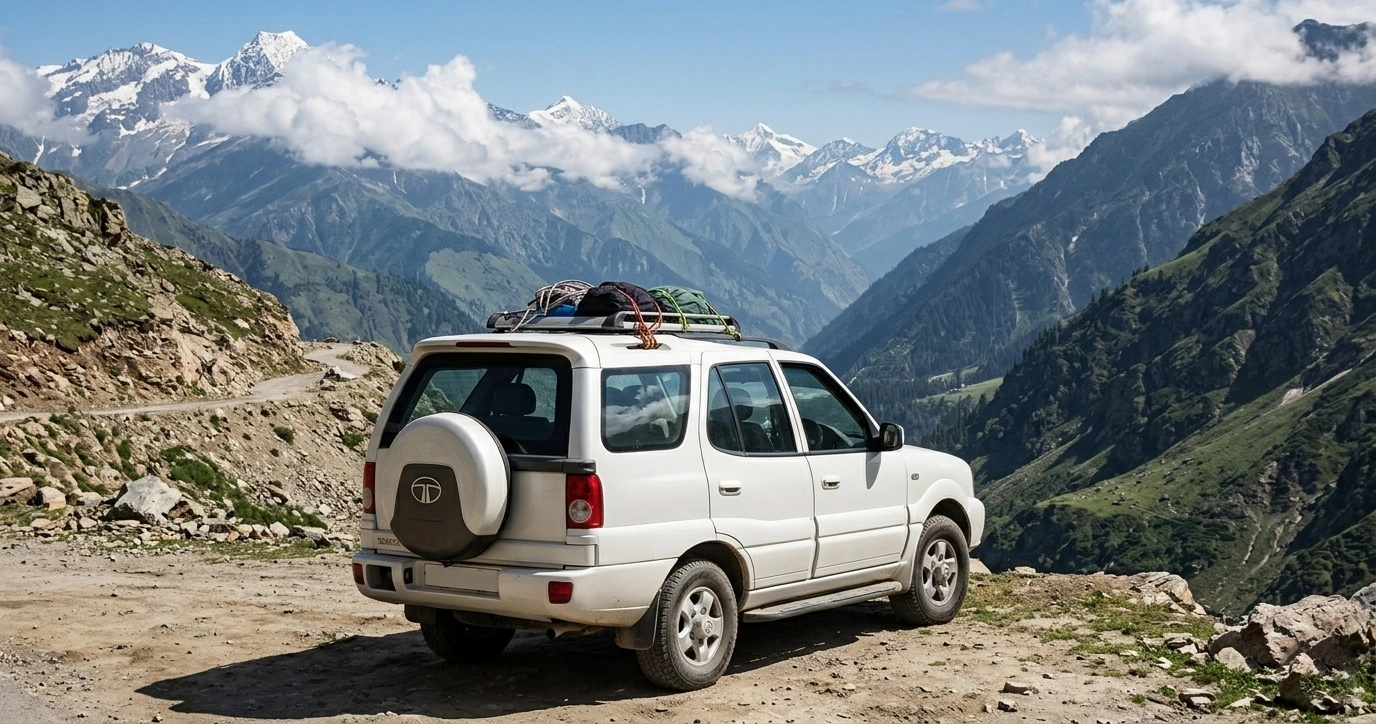
The story of the Tata Safari began in 1998. Tata Motors (then TELCO - Tata Engineering and Locomotive Company) decided to step up its game and introduce India to its first indigenous, heavily localized premium SUV. Before the Safari, the Indian market only had utilitarian utility vehicles like the Mahindra Armada or the Tata Sumo. The Safari was entirely different.
Design and Appeal
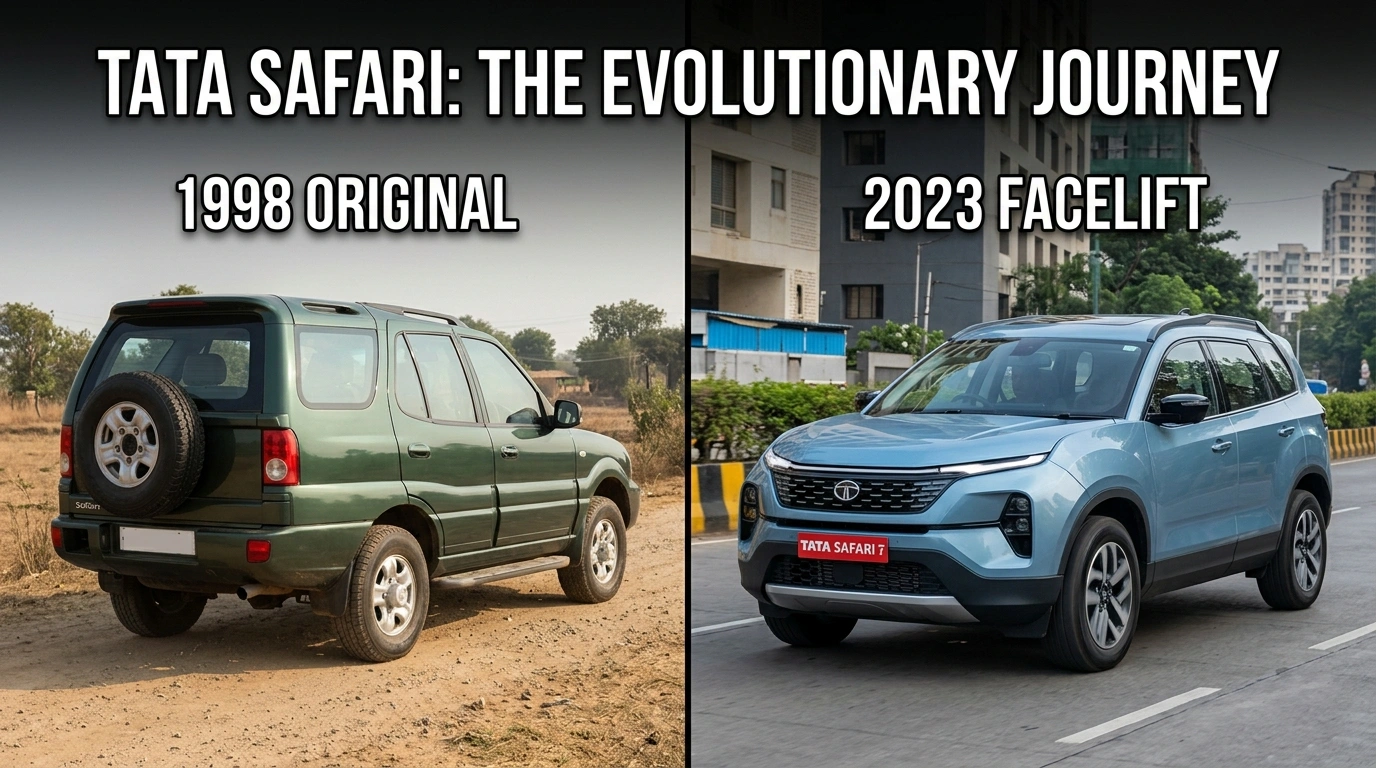
It featured a bold, muscular stance, an intimidating road presence, and that signature spare wheel mounted on the tailgate—a defining design element that became synonymous with the Safari nameplate. The stepped roof design not only added to its imposing character but also provided exceptional headroom for the rear passengers.
Performance and Specifications
The first-generation Safari was powered by a 2.0-litre Peugeot-sourced turbocharged diesel engine. It produced around 90 horsepower, which, by today's standards, seems modest, but back in the late 90s, it was more than enough to propel this massive two-ton SUV across challenging terrains. It also came with an optional shift-on-the-fly 4WD system, making it a capable off-roader.
With the 1998 Safari, Tata Motors didn't just sell a car; they sold a lifestyle. The famous "Reclaim Your Life" advertising campaigns urged corporate workers to break free from their cubicles and explore the wilderness.
Pro Tip for Vintage Safari Owners: If you are lucky enough to still own a classic MK1 Safari, maintaining its original paint can be challenging. Exploring advanced nano-tech coatings can help restore and preserve the gloss of older vehicles, protecting them from further environmental damage.
2005: The DICOR Revolution
As emissions norms grew stricter and the demand for better performance increased, Tata Motors introduced the Safari DICOR (Direct Injection Common Rail) in 2005. This was a massive leap forward in the Tata Safari history.
The Engine Upgrade
The initial DICOR models came with a 3.0-litre diesel engine, delivering a much punchier 115 PS of power and 300 Nm of torque. This engine made the Safari much more capable on the highways and smoother to drive. Later, in 2007, Tata replaced the 3.0-litre unit with a more refined and efficient 2.2-litre VTT (Variable Turbine Technology) DICOR engine, pushing the power output to 140 PS.
Interior and Feature Enhancements
Alongside the mechanical changes, the interior received a much-needed premium touch. Better upholstery, dual-tone dashboards, an improved air conditioning system, and eventually, the inclusion of safety features like ABS and dual airbags made the Safari DICOR a formidable competitor to newer rivals entering the Indian market.
To keep the dual-tone dashboards and expansive interior of a Safari looking fresh, regular interior detailing is key. Learning how to clean your car's interior effectively ensures the cabin remains a luxurious space for your family road trips.
2012: The Storme Arrives
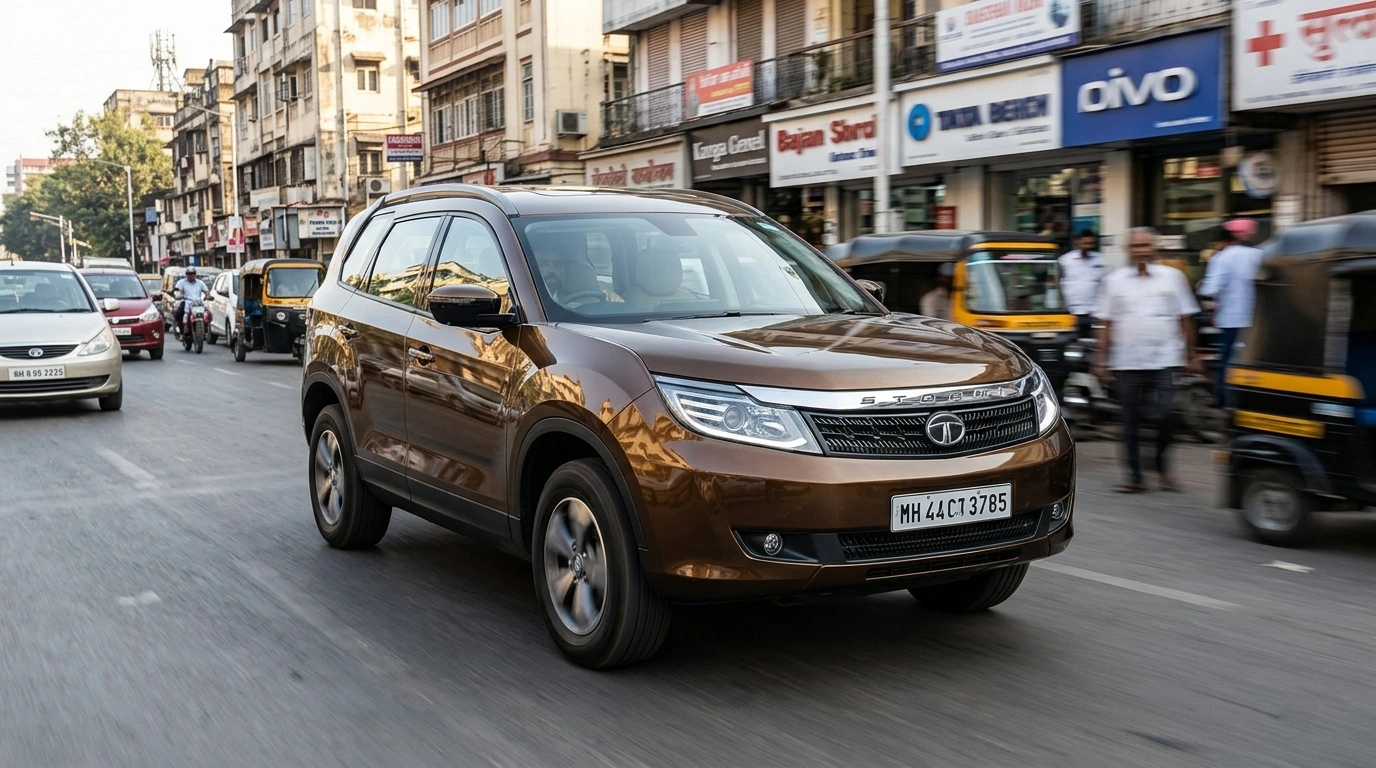
By the early 2010s, the Indian SUV market was heating up with fierce competition from Mahindra (Scorpio and XUV500) and global players. The classic Safari was showing its age. In 2012, Tata Motors launched the Tata Safari Storme.
A New Skeleton
While the Storme retained the beloved silhouette and the stepped roof of the original Safari, almost everything else was new. The biggest change was under the skin. The Safari Storme was built on the X2 platform (the same platform used for the Tata Aria), featuring a hydro-formed chassis. This significantly improved the vehicle's structural rigidity, handling dynamics, and ride quality.
Goodbye Tailgate Wheel
In a controversial design move, Tata removed the iconic tailgate-mounted spare wheel, tucking it under the floor. While purists missed it, this gave the Storme a cleaner, more contemporary rear profile.
The VariCOR Engine
The Storme introduced the 2.2-litre VariCOR diesel engine. Initially offering 140 PS, Tata later introduced the VariCOR 400 variant, which pumped out a massive 156 PS and an incredible 400 Nm of torque, paired with a 6-speed manual gearbox. The Safari Storme VariCOR 400 was, at the time, an absolute powerhouse. It even caught the attention of the Indian Armed Forces, who adopted a specially built GS800 version of the Storme into their fleet.
With the aggressive styling of the Storme, protecting the front fascia from rock chips during off-roading or highway driving is crucial. This is where understanding why PPF is the smartest car protection becomes incredibly valuable for SUV owners.
2019: The Temporary Farewell
All good things must come to an end, or at least take a hiatus. With the implementation of the stringent BS6 (Bharat Stage 6) emission norms and new crash test regulations, updating the aging ladder-frame platform of the Safari Storme was financially unviable. In 2019, Tata Motors officially pulled the plug on the Safari Storme, marking the end of the ladder-frame, 4x4 Safari era. It was a bittersweet moment for automotive enthusiasts. The Safari had carved a niche that few other cars could dream of.
2021: The Rebirth of the Legend
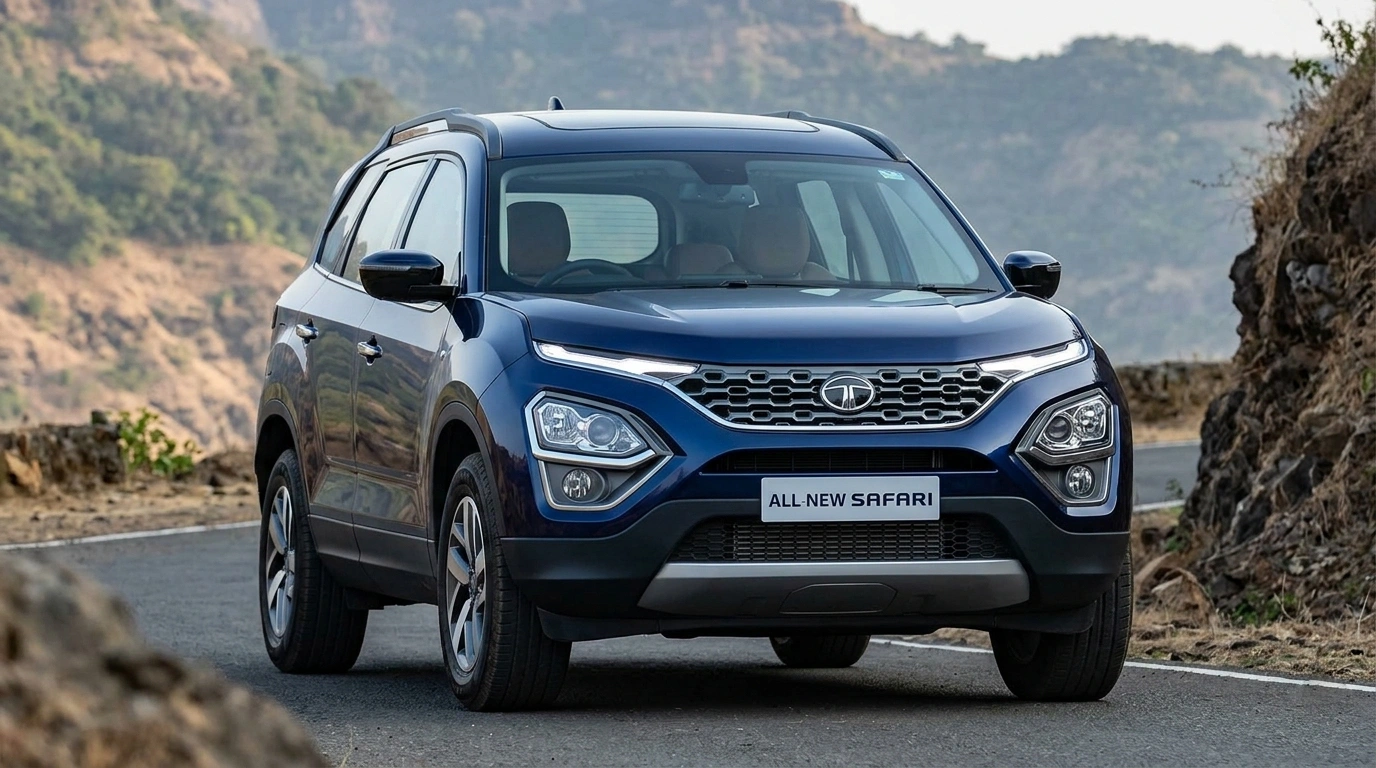
You can't keep a legend down for long. In early 2021, Tata Motors resurrected the iconic nameplate, but this time, it was a completely different beast. The 2021 Tata Safari was not a ladder-on-frame 4x4; instead, it was a sleek, modern, monocoque, 7-seater SUV based on the legendary Land Rover D8 platform, which Tata modified and called the OMEGARC (Optimal Modular Efficient Global Advanced Architecture).
Modern Design Language
The new Safari adopted Tata's Impact 2.0 design language. It featured a bold chrome grille, sleek LED DRLs, stepped roof (paying homage to the original), and massive 18-inch machined alloy wheels. It was sophisticated, aerodynamic, and undeniably gorgeous.
Keeping those massive alloys shining requires specialized care. We highly recommend using dedicated protection like Wheel Nano Armor to prevent brake dust buildup and maintain that showroom finish.
The Kryotec Heart
Powering the new Safari is a 2.0-litre Kryotec turbocharged diesel engine, sourced from Fiat Chrysler, producing 170 PS of maximum power and 350 Nm of torque. It comes mated to either a 6-speed manual or a buttery-smooth 6-speed Hyundai-sourced torque converter automatic transmission. While it lacked a 4x4 option—much to the dismay of hardcore off-roaders—it offered multiple Terrain Response Modes (Normal, Rough, Wet) that made it highly capable over tricky surfaces.
Interior Luxury
The interior of the new Safari was a massive leap into luxury. Featuring Oyster White leatherette upholstery, an ash-wood themed dashboard, an electronic parking brake, a massive panoramic sunroof, and a premium JBL audio system, it was designed to pamper.
Leather seats, especially in light colors like Oyster White, are prone to staining and fading. To keep them immaculate, Safari owners should invest in Leather Nano Armor, which provides a durable barrier against spills and UV rays. For a deep dive into care, read our guide on how to protect your car's interior leather seats.
2023 and Beyond: The Facelift and the Tech Boom
Not one to rest on their laurels, Tata Motors introduced a substantial facelift to the Safari in late 2023. This update was aimed at making the SUV more futuristic and technologically advanced.
The Tech Marvel
The 2023 Safari facelift brought in a completely redesigned front fascia with connected LED light bars, futuristic parametric grilles, and a highly tech-focused interior. It now features a massive 12.3-inch floating infotainment touchscreen, a 10.25-inch fully digital instrument cluster, ventilated seats (both front and second row in 6-seater configurations), and Advanced Driver Assistance Systems (ADAS) Level 2 for enhanced safety.
Safety First
The new Tata Safari, along with its sibling the Harrier, achieved a historic 5-star rating in the Global NCAP crash tests, scoring the highest points ever by an Indian vehicle at the time. This solidified its reputation as not just a capable and luxurious SUV, but an incredibly safe family hauler.
Maintaining the Legacy: How to Care for Your Tata Safari
Whether you own a classic Safari DICOR, a rugged Storme, or the brand-new tech-laden Safari Facelift, your vehicle is an investment and a piece of automotive heritage. To maximize your car's resale value with premium detailing, you need a proper maintenance routine.
Here is how you can ensure your Safari looks as dominant and pristine as the day it rolled off the assembly line:
1. Exterior Paint Protection
The modern Safari features stunning paint options like Cosmic Gold, Oberon Black, and Stardust Ash. These deep, metallic colors are susceptible to swirl marks, UV fading, and bird droppings.
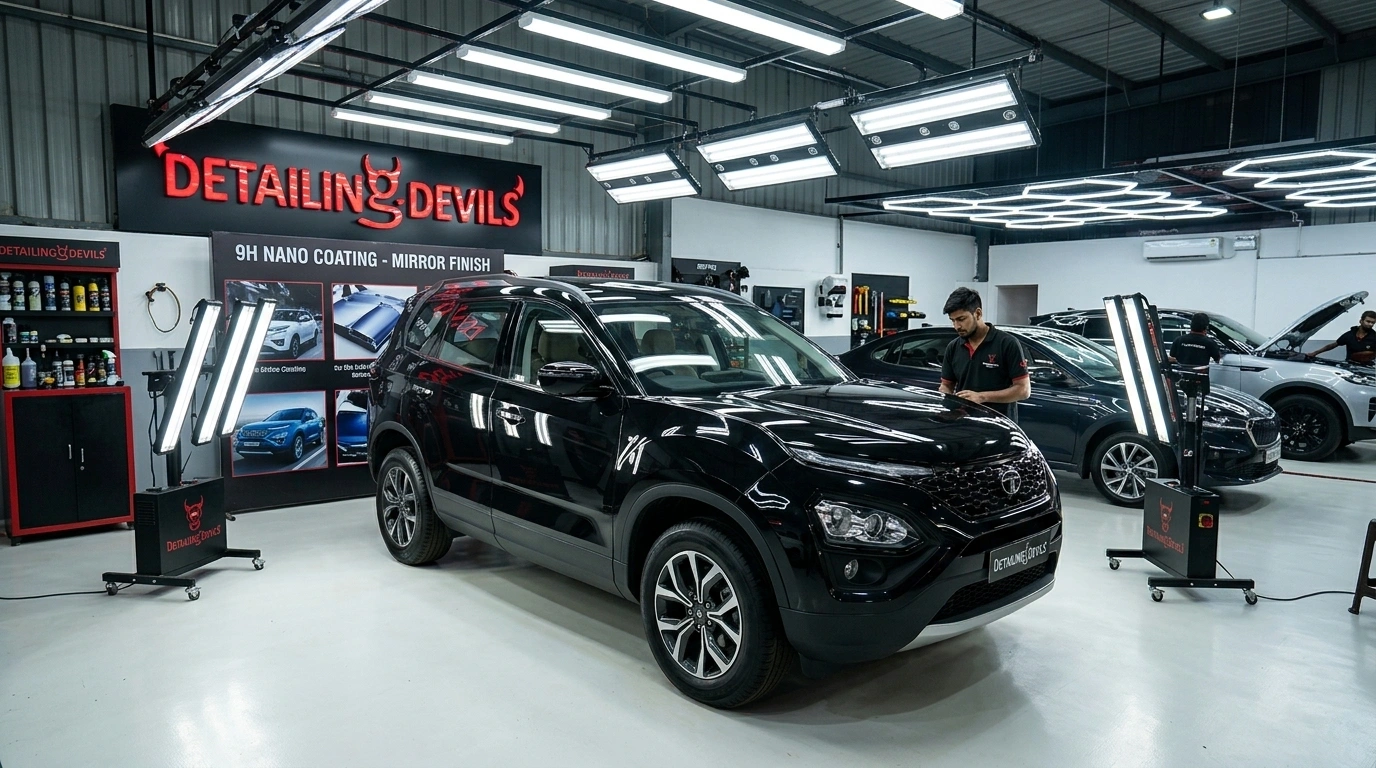
- Ceramic Coating: Applying a high-quality coating, such as the 9H Diamond Nano Armor, provides unparalleled gloss and a hydrophobic layer that repels dirt and water. Read our comprehensive Complete Science and Truth About Ceramic Coating to understand how it binds to your clear coat.
- Paint Protection Film (PPF): For those who take their Safaris on highway runs or light off-road trails, a physical barrier is best. The Dragon PPF offers self-healing properties and protects against rock chips and deep scratches. Confused about which to choose? Check out our Ceramic vs PPF Guide.
2. Interior Restoration and Protection
The vast cabin of the Safari needs as much attention as the exterior. From the dashboard plastics to the expansive roof lining, regular cleaning is vital.
- If your older Safari's interior is fading, consider professional Trim Restoration.
- For the plush leatherette seats of the new Safari, routine vacuuming and wiping down with pH-neutral cleaners will prevent cracking. Enhance this protection by learning about Interior Car Spa Essentials.
3. Regular Deep Cleaning Over "Just Washing"
Taking an SUV as large as the Safari to a local roadside washer can result in micro-scratches due to the use of hard water and dirty rags.
- Always opt for a professional Foam Wash that safely lifts dirt off the paint without grinding it into the clear coat. Wondering about the difference? Read our comparison on Foam Wash vs Normal Car Wash.
If you are looking for premium care, you can easily locate a Detailing Devils store near you to give your Safari the royal treatment it deserves.
Conclusion
The Tata Safari history is more than just a timeline of mechanical upgrades; it is a reflection of the evolving Indian automotive consumer. From a rudimentary, tough-as-nails off-roader designed for the adventurous few, to a highly sophisticated, safe, and luxurious family SUV designed for the modern lifestyle, the Safari has adapted perfectly to the times while retaining its core DNA of dominance and presence.
The Safari will forever remain a symbol of power on Indian roads. As you continue to "Reclaim Your Life" behind the wheel of this magnificent beast, make sure you are doing it in style. Protect your investment with the finest auto detailing services at Detailing Devils, India's most trusted brand for vehicle protection.
FAQ
The first Tata Safari was launched in India in 1998. It featured a bold, muscular stance, a signature spare wheel mounted on the tailgate, and a 2.0-litre Peugeot-sourced turbocharged diesel engine producing around 90 horsepower.
Safari DICOR (2005) introduced common rail diesel technology with 3.0L and later 2.2L engines. Safari Storme (2012) was built on the X2 platform with improved structural rigidity, removed the tailgate-mounted spare wheel, and introduced the 2.2L VariCOR engine producing up to 156 PS and 400 Nm of torque.
The new Tata Safari (2021 onwards) is built on the OMEGARC platform (Optimal Modular Efficient Global Advanced Architecture), which is Tata's modified version of the legendary Land Rover D8 platform. It features a monocoque construction rather than a ladder-on-frame design.
The new Tata Safari, along with its sibling the Harrier, achieved a historic 5-star rating in the Global NCAP crash tests, scoring the highest points ever by an Indian vehicle at the time.
For paint protection, you can opt for ceramic coating like 9H Diamond Nano Armor for high gloss and hydrophobic properties, or Paint Protection Film (PPF) like Dragon PPF for physical protection against rock chips and deep scratches. Both options help preserve the factory finish and resale value.
Related Blogs:
- Best Car Cleaning Service in Noida - Find the best car cleaning services in Noida and keep your car looking new.
- Car Detailing Products - Discover the best products for car detailing and how to use them to achieve a professional shine.
- Detailing Services for Different Cars - Learn about the different types of detailing services available for different types of cars and which one is best for you.
- Car Detailing for Different Seasons - Find out how to prepare your car for different seasons with the right detailing methods and products.
- How to clean your car's interior - Learn the 8 best techniques and products for cleaning the interior of your car, including the seats, dashboard, and carpets.

